

In the Indonesian context, the role of the Indonesian Ulema Council (Majelis Ulama Indonesia) extends beyond religious authority, serving as a key ethical guide in responding to strategic issues, including the climate crisis. Various environmental fatwas issued by the Council demonstrate that the normative foundation for climate action is already strong. However, translating these values into concrete action at the community level remains a significant challenge. This issue was at the center of the Focus Group Discussion (FGD) “Faith-based Climate Action in Indonesia,” organized by Yayasan Amanah Daya Nusantara (AYANA) in collaboration with the Environmental and Natural Resources Management Body of the Indonesian Ulema Council on 16 March 2026.
The FGD was initiated to bridge the gap between the strong foundation of Islamic teachings—reflected in the environmental fatwas of the Indonesian Ulema Council—and the still limited implementation of climate action. This initiative also aligns with AYANA’s broader strategy to advance faith-based climate action, including strengthening interfaith collaboration as a pathway to expand impact and build a more inclusive, connected, and sustainable movement.
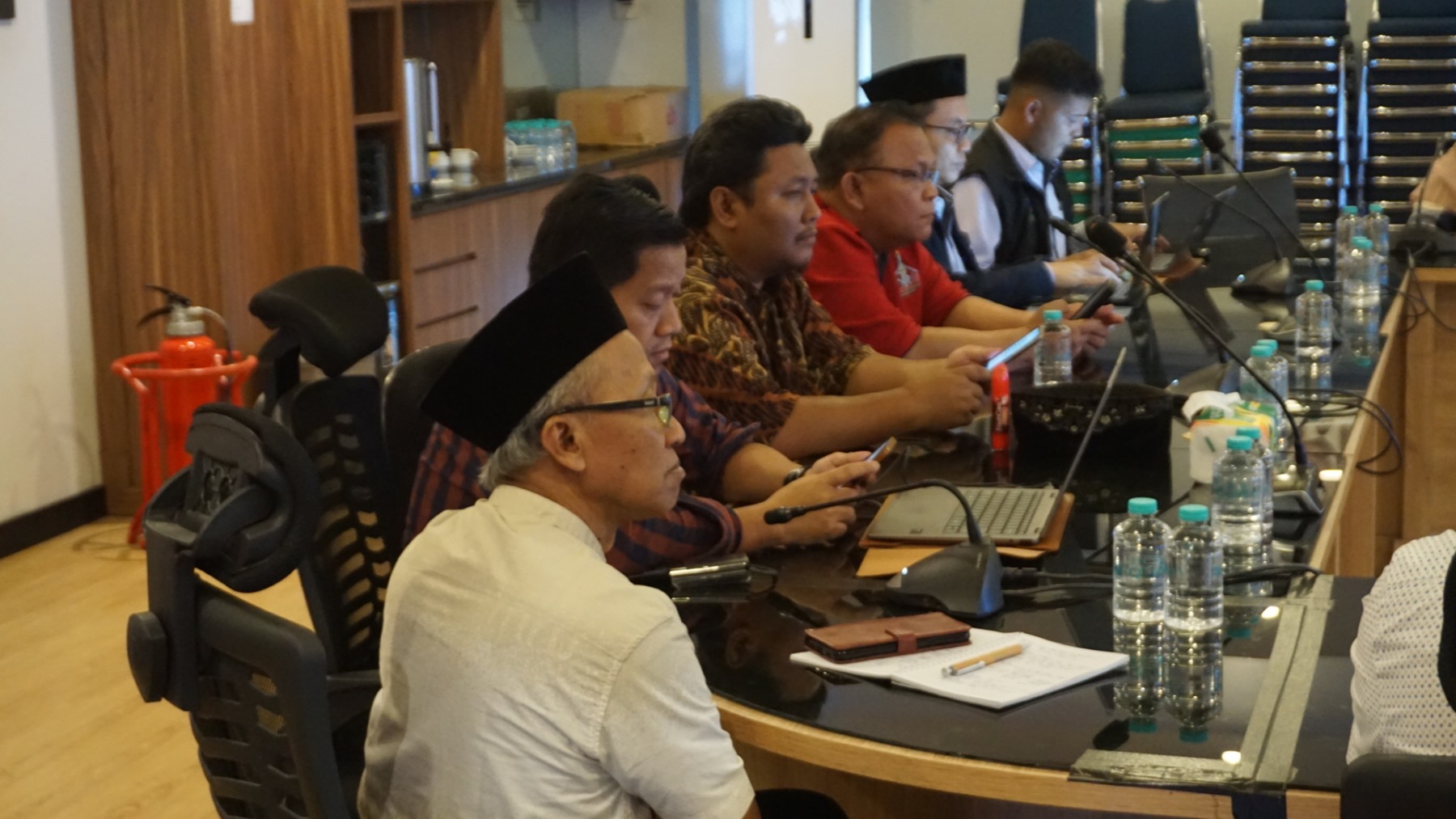
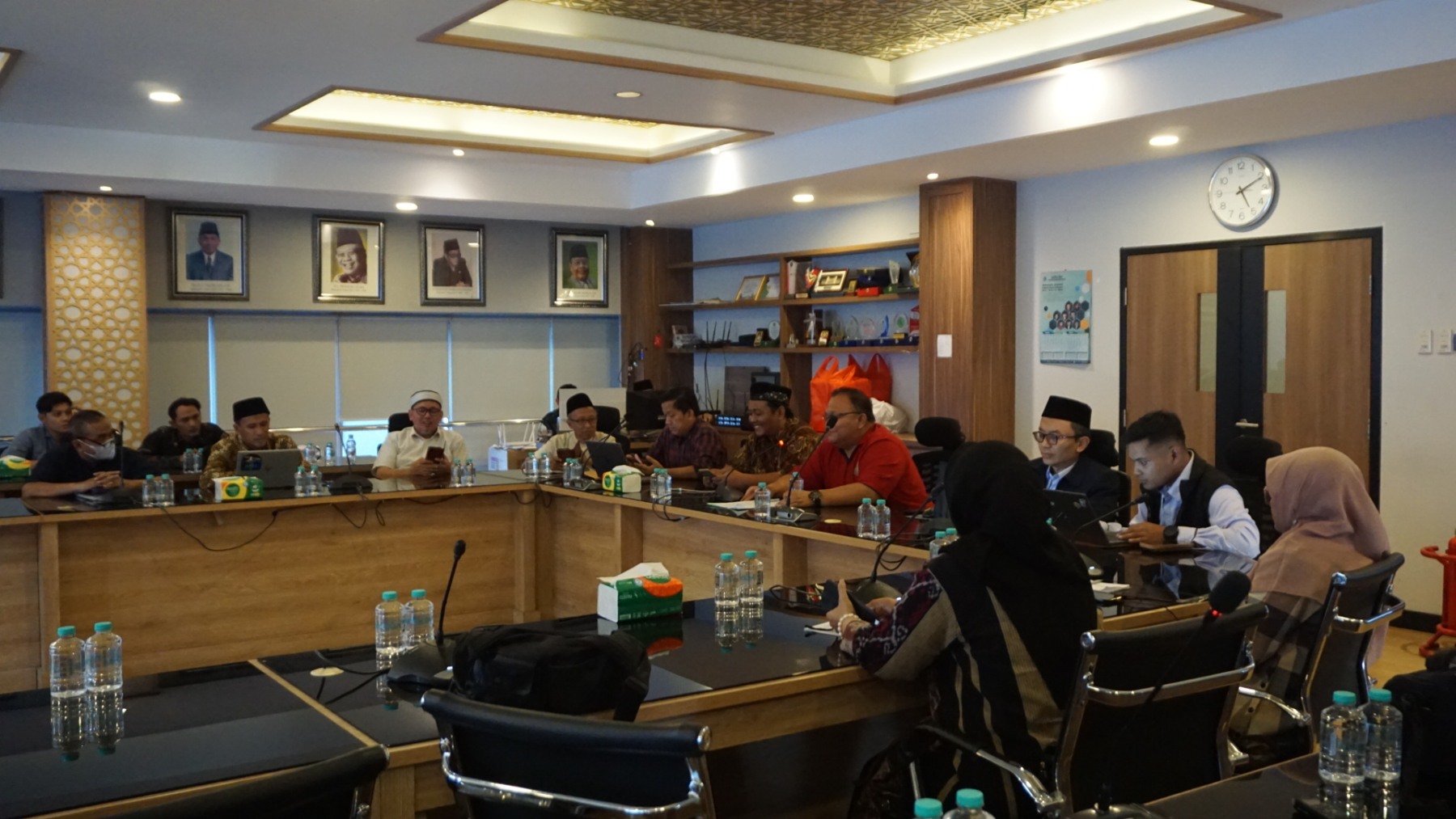
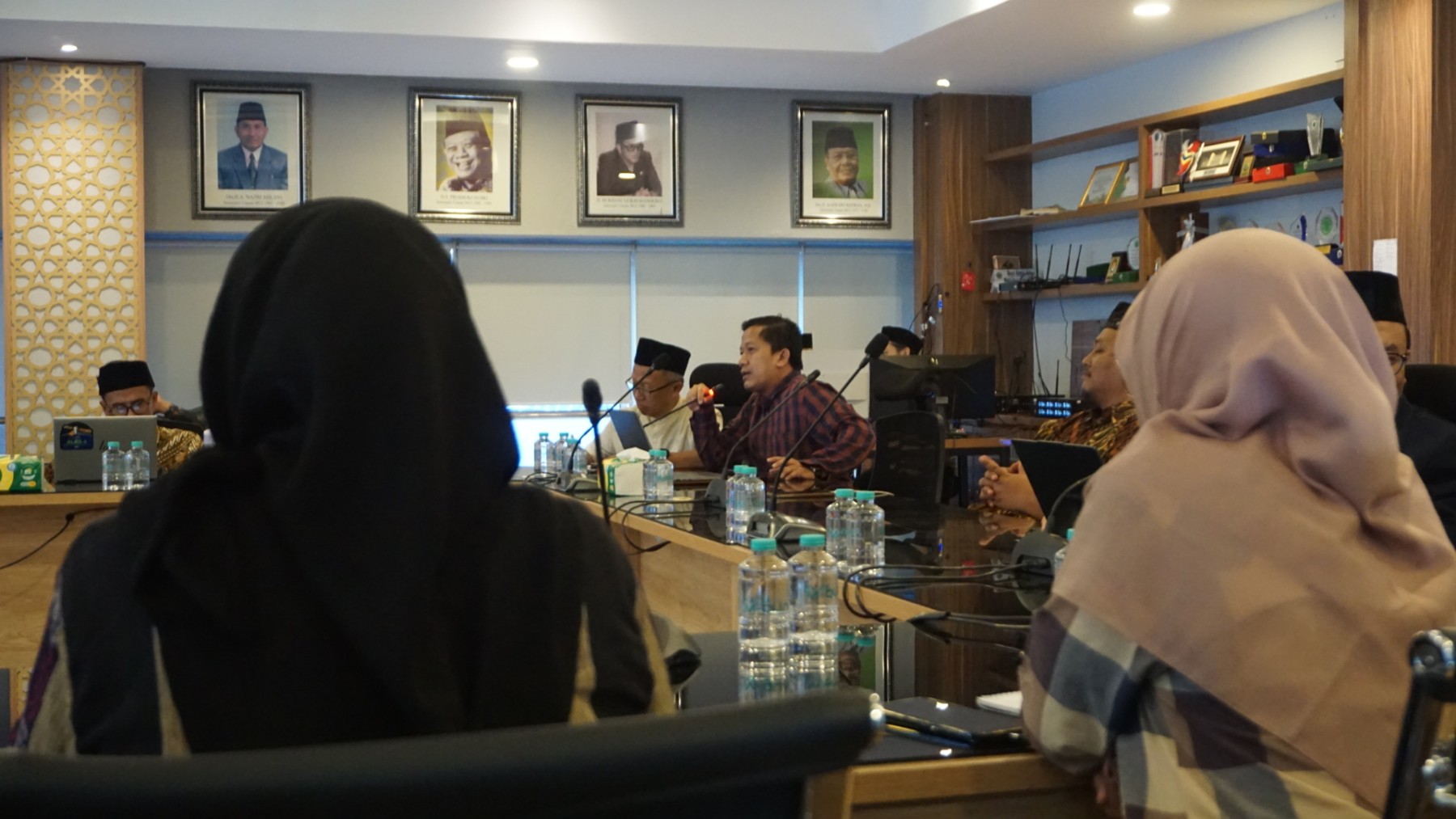
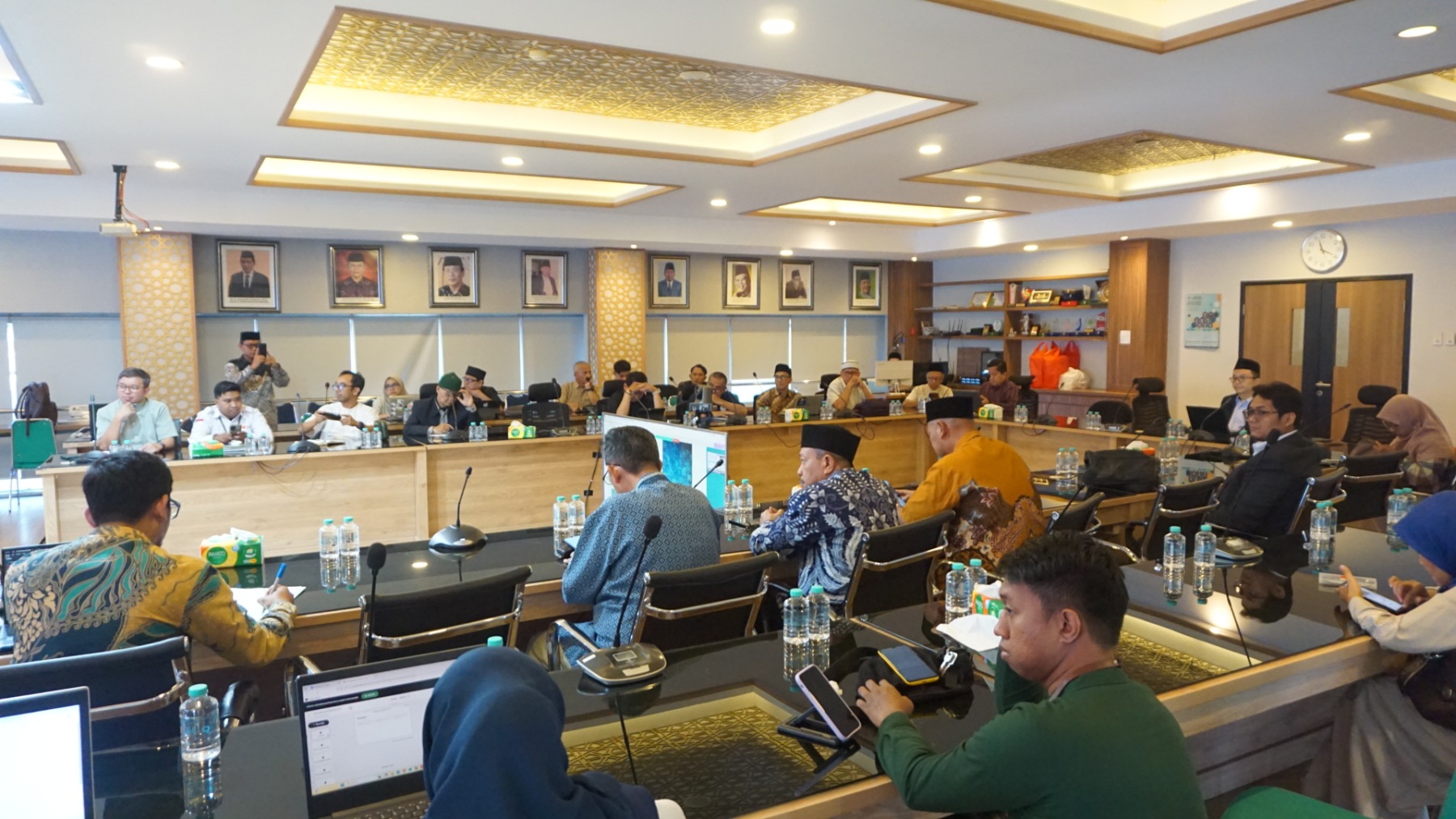
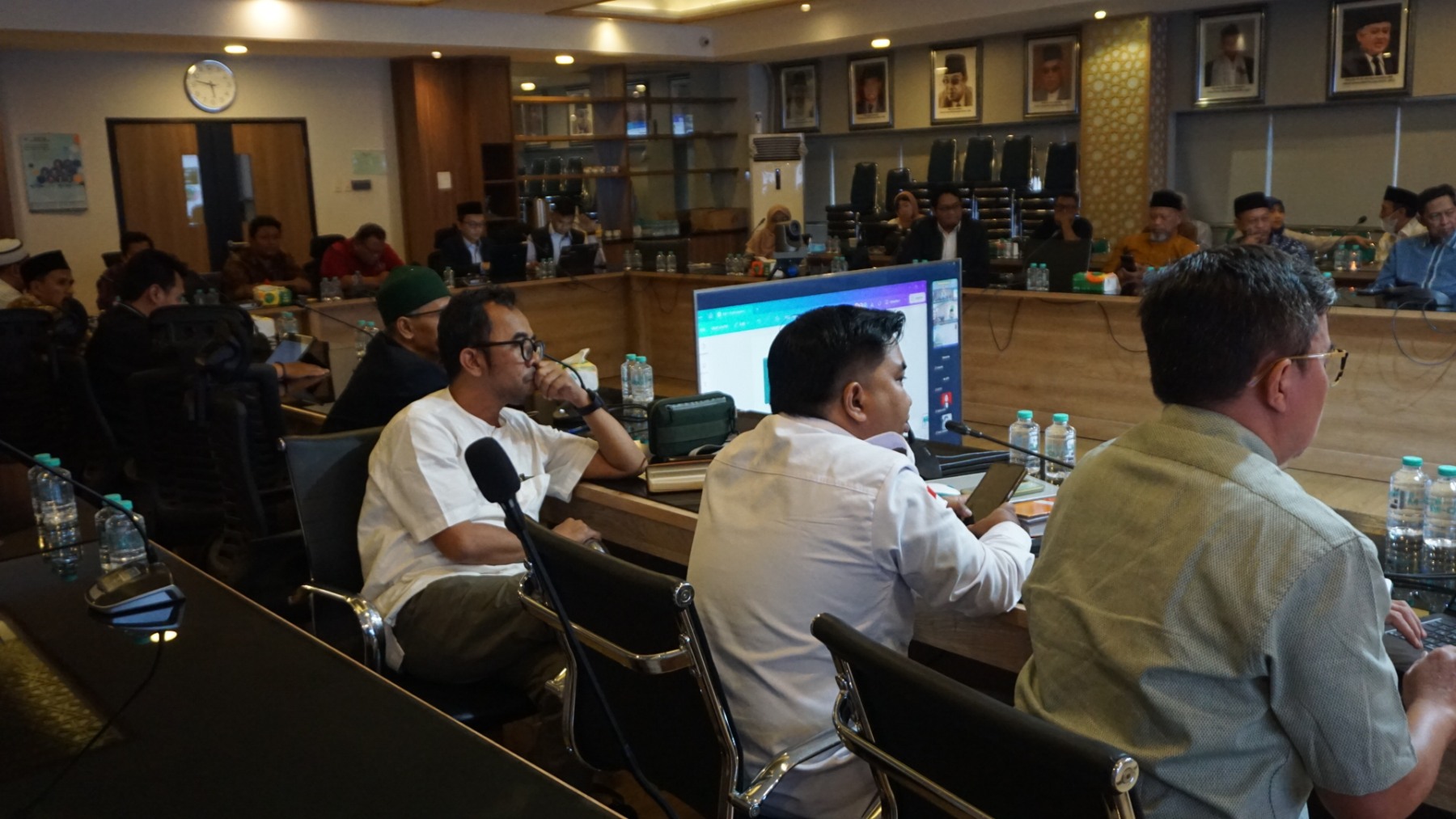
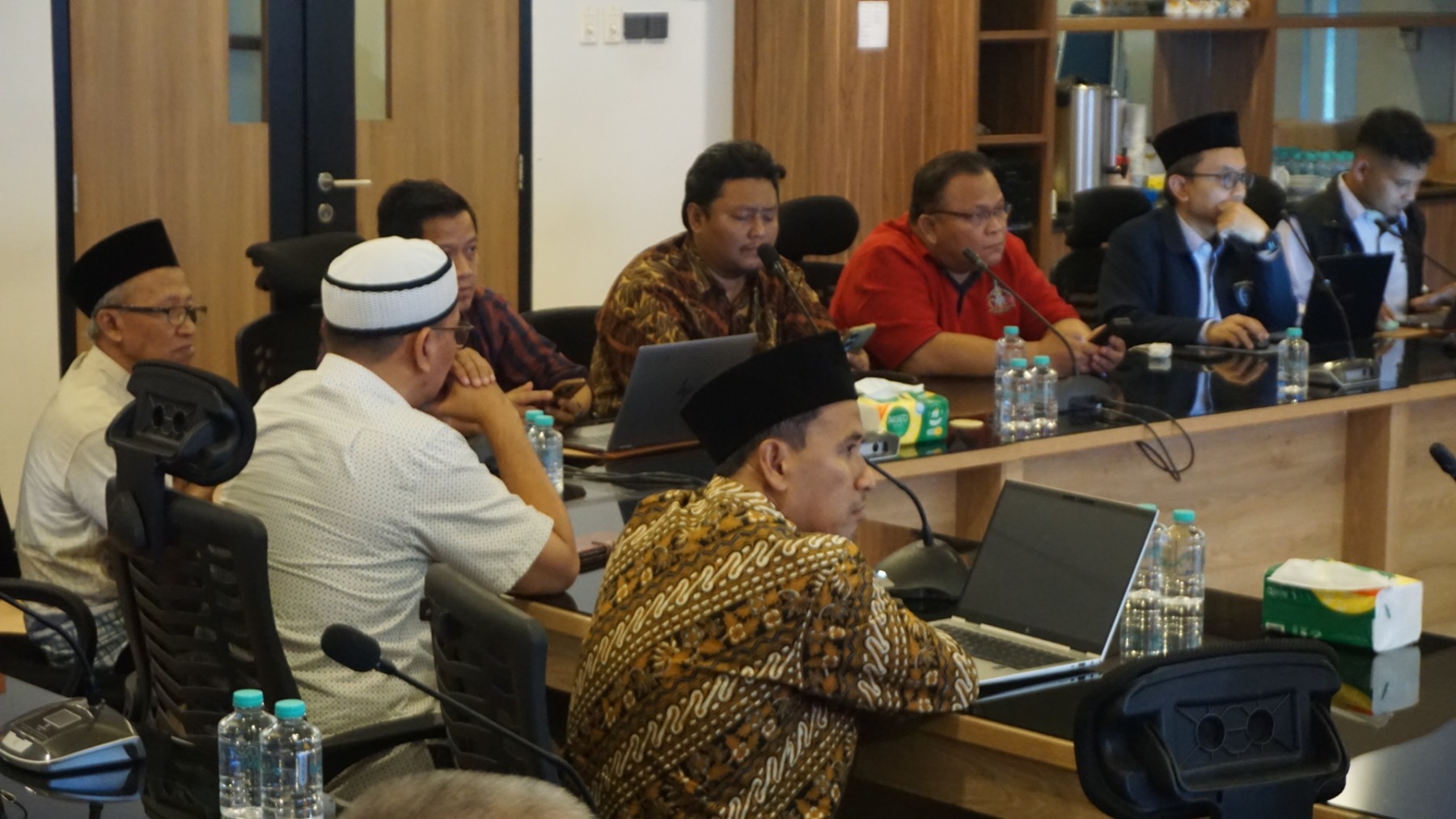
discussion highlighted a shift from charitable approaches toward community-based ecological empowerment, with the integration of green economy initiatives such as agroforestry, renewable energy, and productive waste management. However, this potential remains constrained, particularly by limited funding. As noted by a representative from Dompet Dhuafa, “It’s much easier to attract donations for disaster response, but donations for environmental programs are more challenging because the donor base is more niche. That’s why collaboration is needed to expand awareness across different groups.” This reflects that environmental issues are not yet a primary priority in religious philanthropy and require more strategic and collaborative approaches.
The FGD resulted in several key recommendations, including strengthening environmental education through religious platforms, optimizing places of worship as centers for climate action, enhancing the capacity of religious leaders, developing financing mechanisms such as green waqf, and establishing a national forum for faith-based climate collaboration. These findings reinforce AYANA’s strategic direction in advancing interfaith climate action programs that are integrated, collaborative, and capable of delivering measurable and sustainable impact.