

In many churches across Indonesia, environmental issues are no longer treated as side programs, but are becoming part of everyday faith practices. Themes of environmental stewardship are now integrated into prayers, sermons, and church songs—reflecting an effort to embed the idea of “ecological repentance” as part of spiritual reflection. This shift shows that climate action is increasingly understood not just as a technical responsibility, but as a faith-driven calling that shapes how communities live and act.
This approach emerged as a key finding from the Focus Group Discussion (FGD) organized by Yayasan Amanah Daya Nusantara (AYANA) in collaboration with the Communion of Churches in Indonesia (Persekutuan Gereja-gereja di Indonesia – PGI) on 7 April 2026 in Jakarta. The forum brought together church leaders, Christian organizations, academics, and practitioners to map existing practices while identifying challenges and opportunities to strengthen faith-based, community-driven climate action.
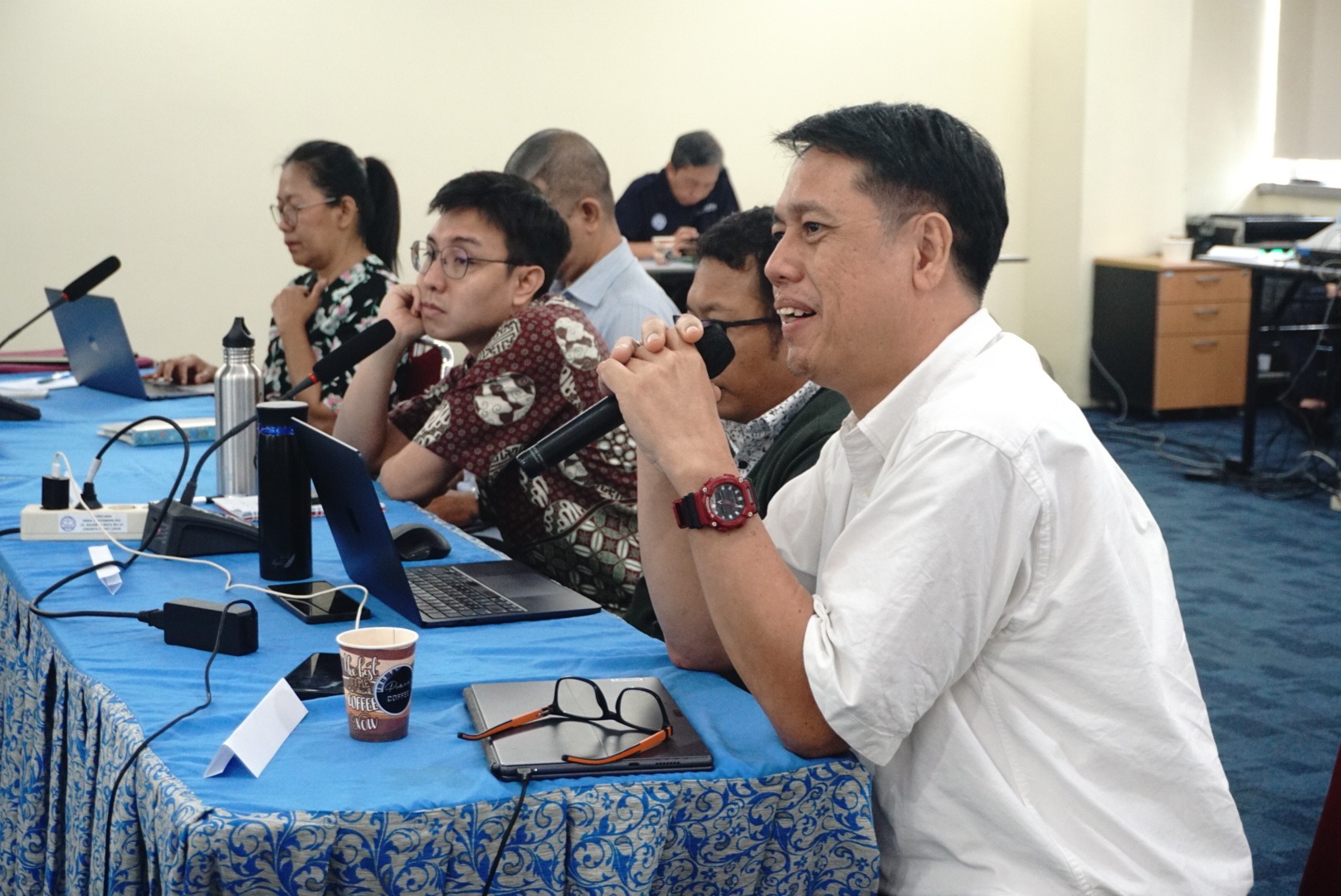
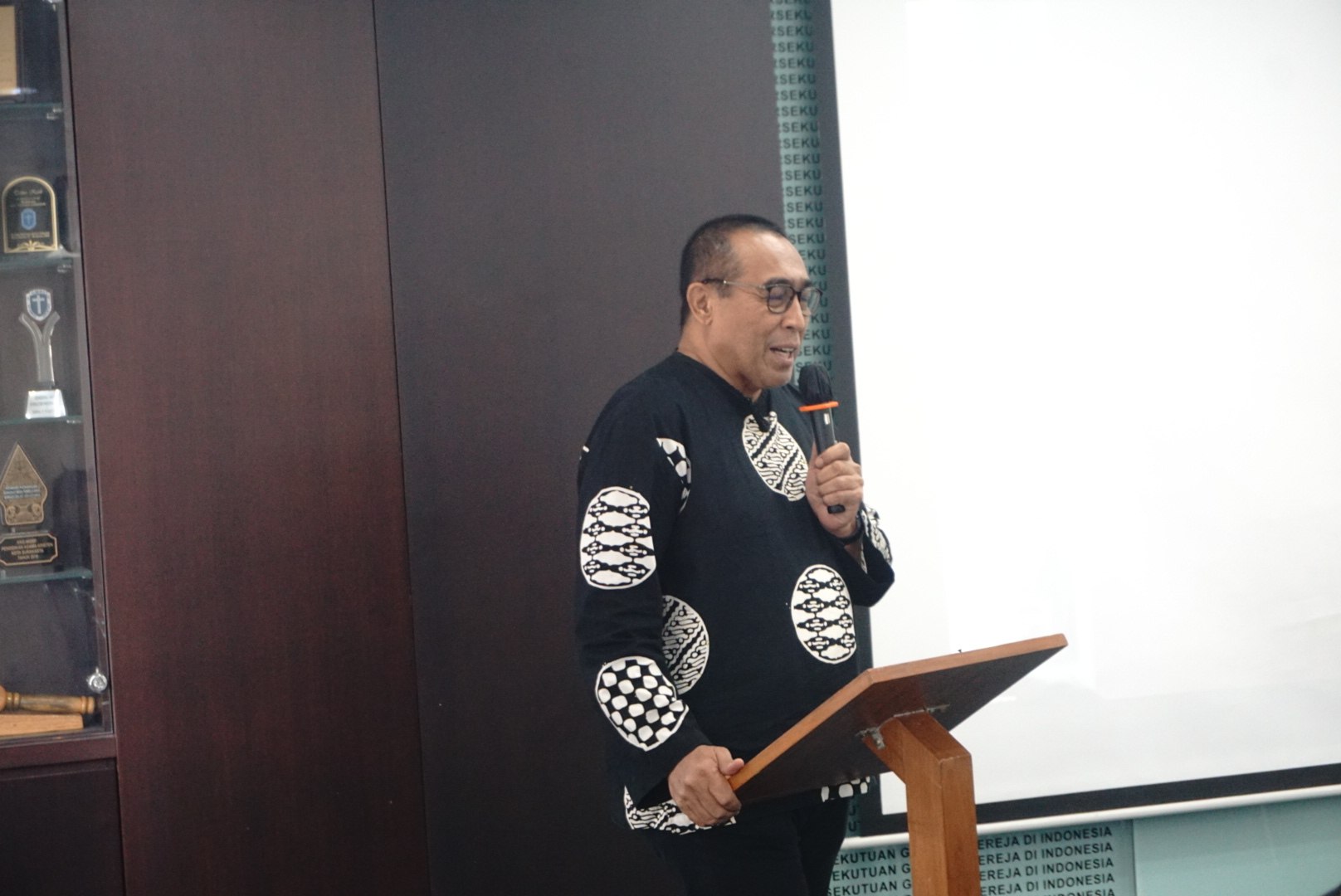
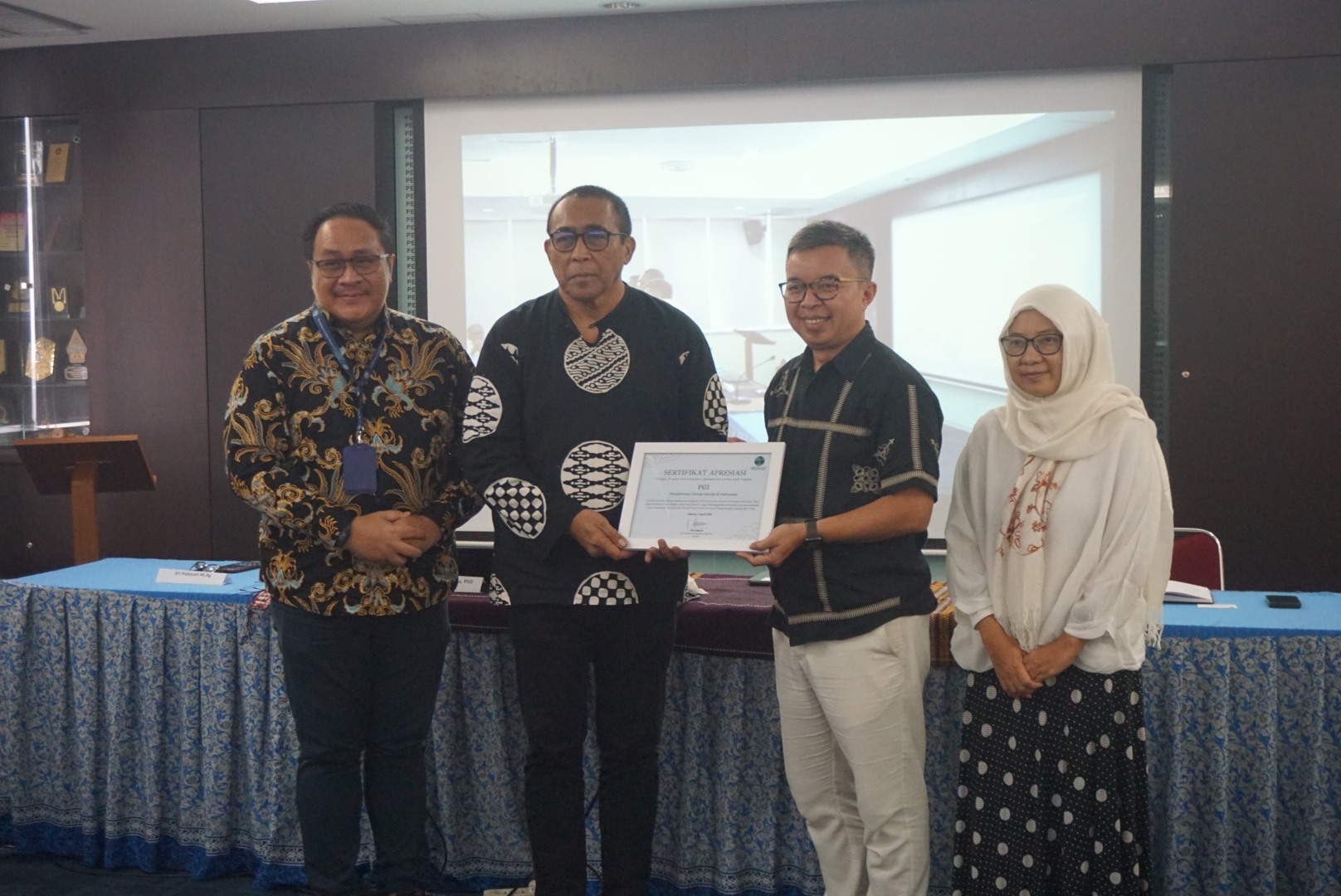
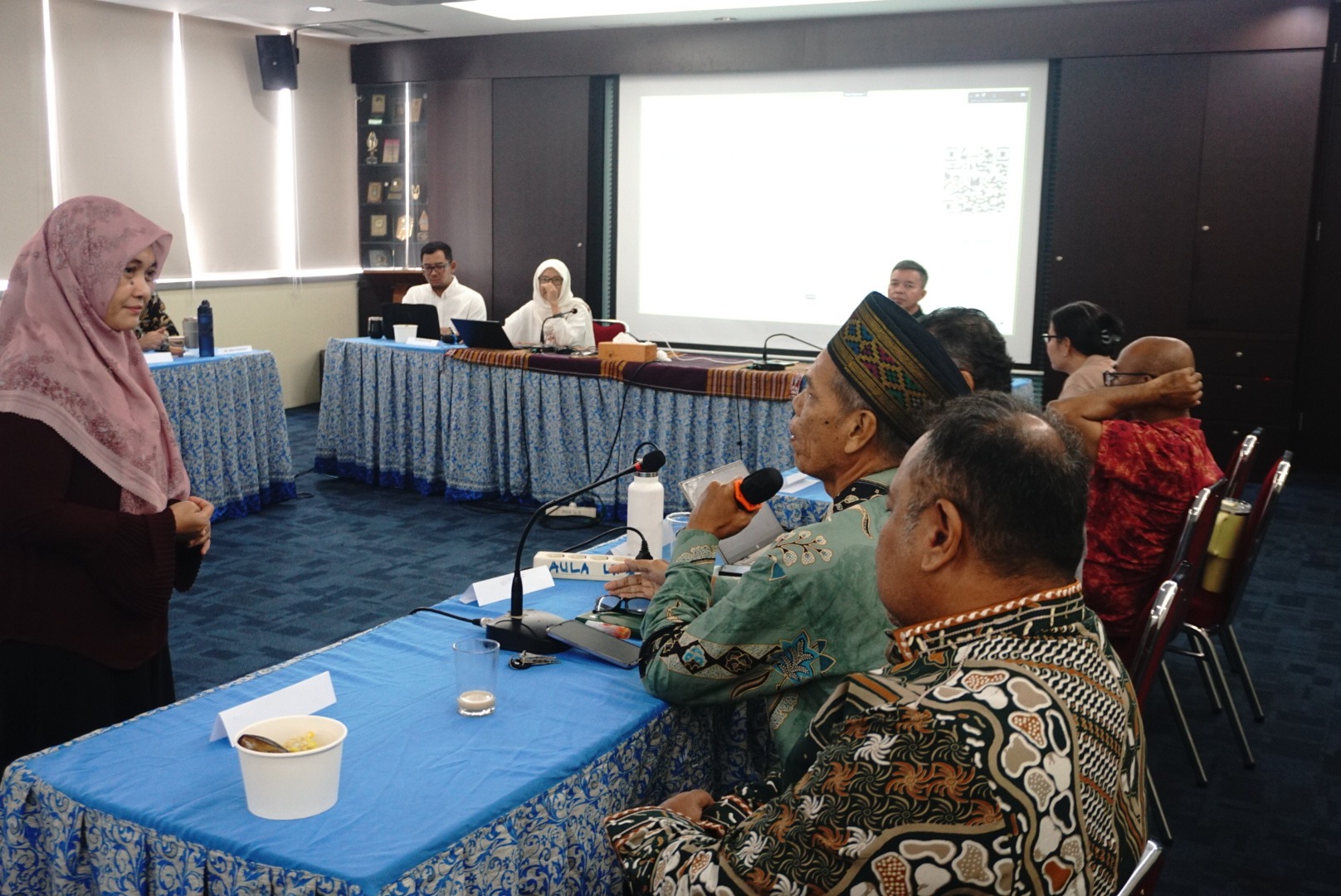
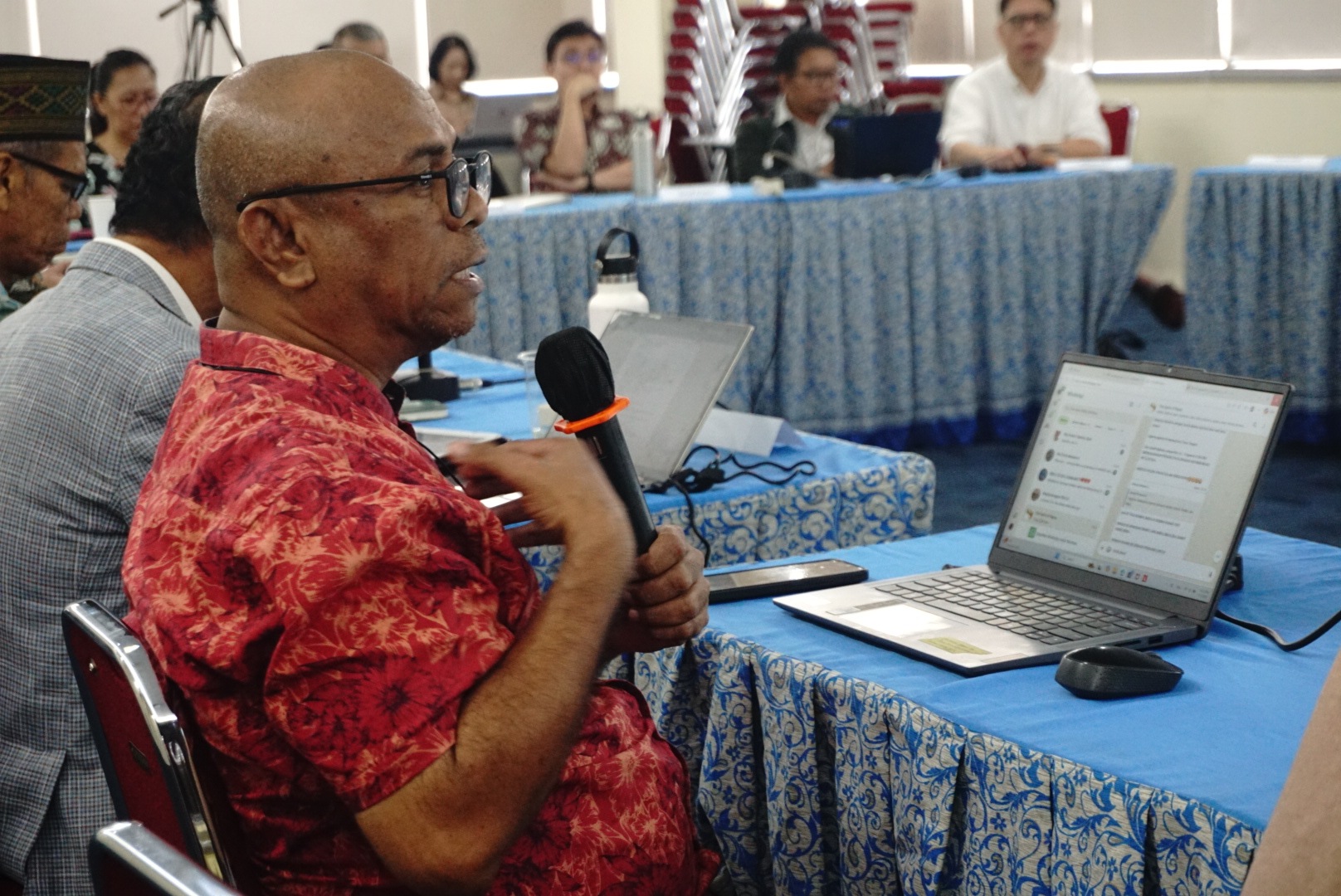
The discussion highlighted that a wide range of concrete initiatives have already taken shape, from policy-level commitments to grassroots actions. Churches have introduced “Environmental Month” programs and encouraged simple behavioral changes such as saving electricity and water. At the community level, efforts such as tree planting, river clean-ups, and mangrove restoration are expanding. Institutional shifts—like plastic-free policies and reduced paper use—are also being adopted, while waste bank programs, including partnerships with the private sector, are turning waste management into a collective practice. Meanwhile, organizations like ADRA Indonesia are advancing community-based land rehabilitation that links environmental action with food security and economic empowerment.
Despite this progress, significant challenges remain—particularly in changing deeply rooted daily habits. As one participant noted, “Plastic and electricity are still the main challenges,” underscoring how behavioral transformation requires time and consistency. In addition, gaps in digital literacy, limited follow-through from past initiatives, and the growing risk of eco-anxiety among younger generations highlight that climate action is as much a social and cultural challenge as it is an environmental one. Ultimately, the FGD underscores that meaningful change is not driven by large-scale programs alone, but by small, consistent practices that, when connected and sustained, can grow into broader and more impactful collective movements.