

Climate change continues to have real impacts on communities across Indonesia, ranging from environmental degradation to increasing social vulnerability. In response to these challenges, faith-based communities are strengthening their role in promoting environmental awareness and collective climate action. This was reflected in the Focus Group Discussion (FGD) with the Supreme Council for the Confucian Religion in Indonesia (MATAKIN). The discussion brought together religious leaders, community organizations, educators, and practitioners to explore the role of Confucian values in environmental protection and climate action.
In Confucian teachings, humans are understood as part of a cosmic order that must remain in balance. Values such as Ren (benevolence), Yi (righteousness), Li (propriety), and the principle of harmony serve as moral foundations for maintaining balanced relationships between humans, society, and nature. These values are reflected in various environmental practices such as waste sorting, composting, reducing plastic use, tree and mangrove planting, as well as environmental education in Sunday schools and Confucian communities.
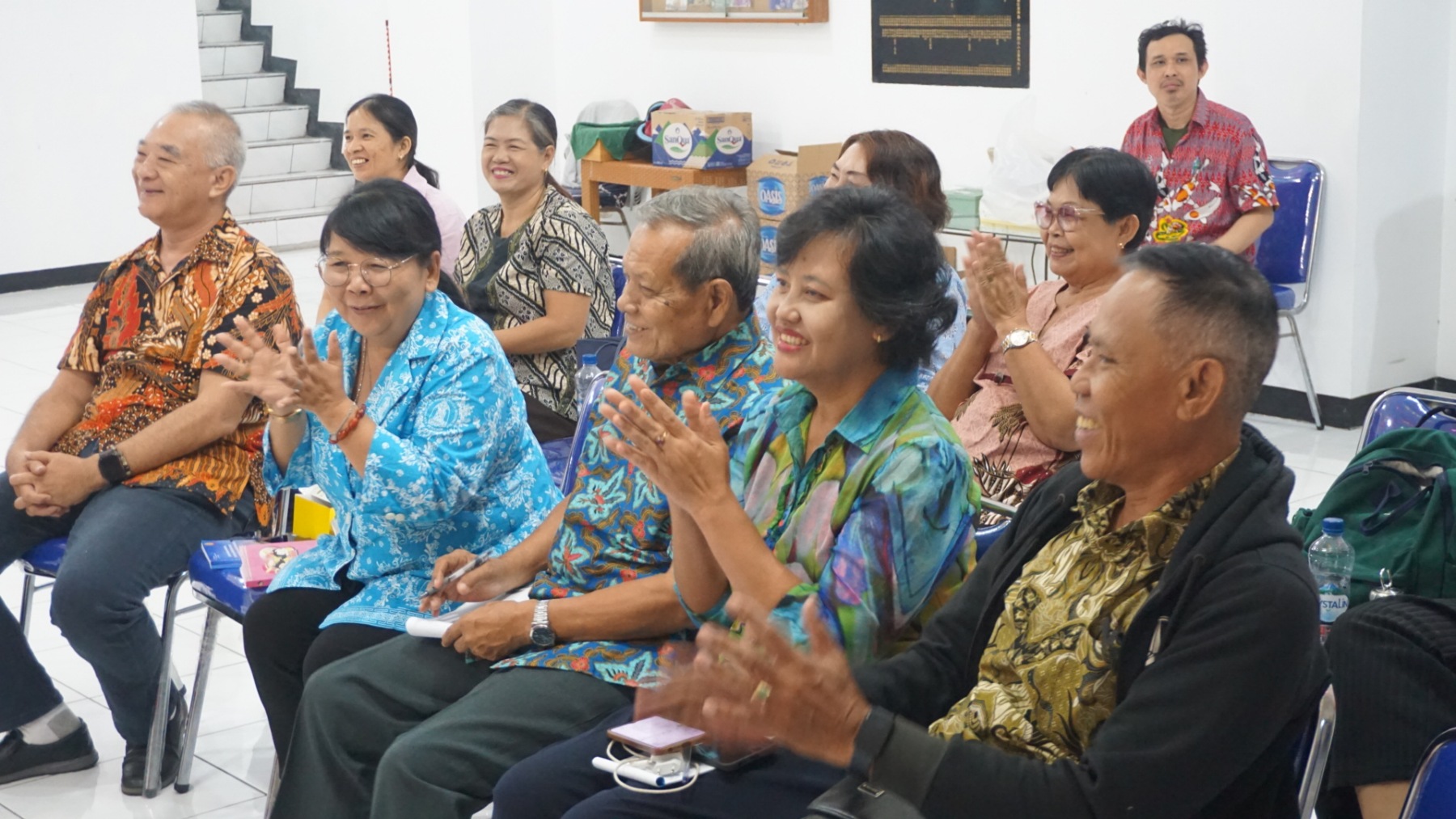
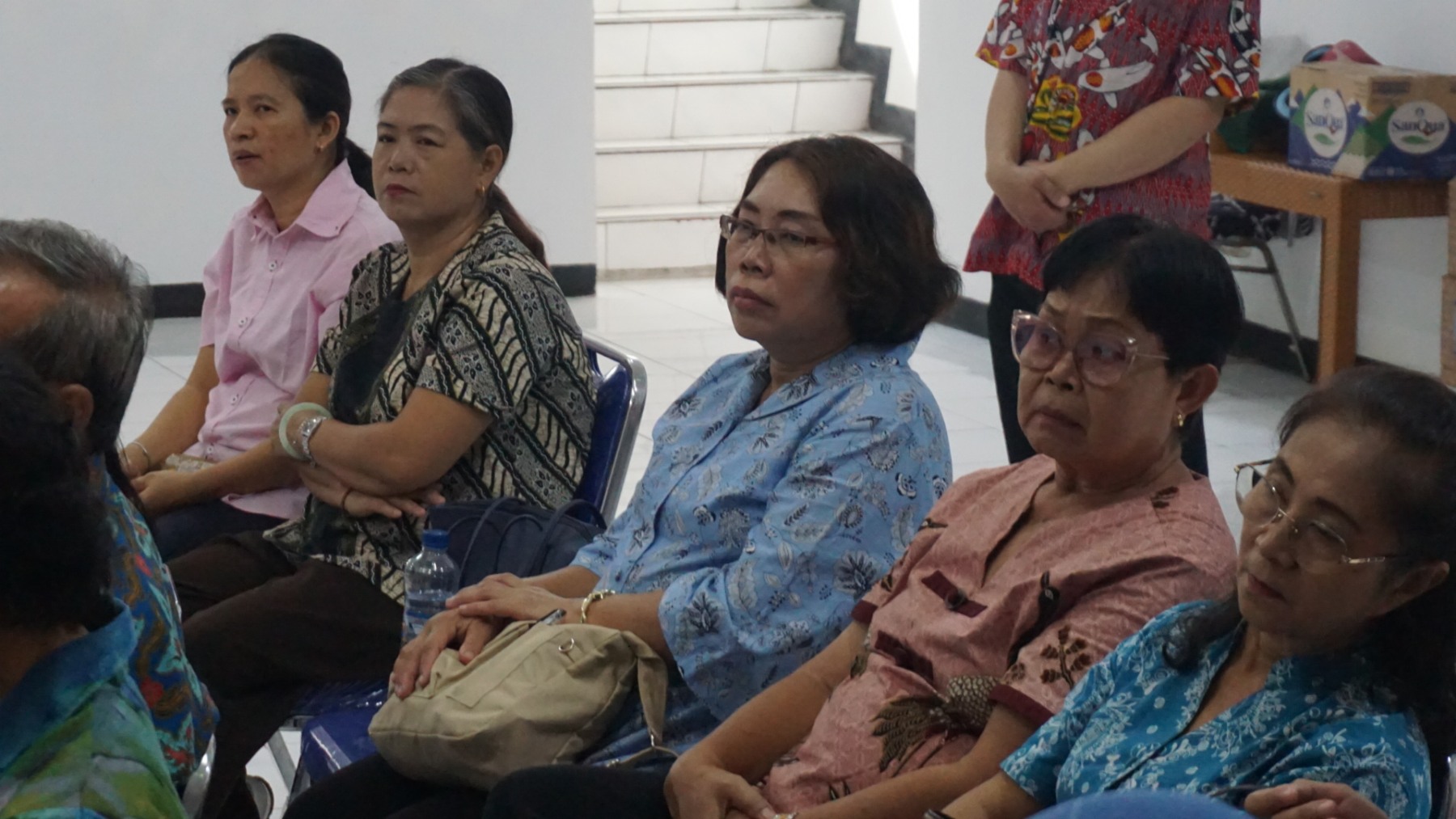
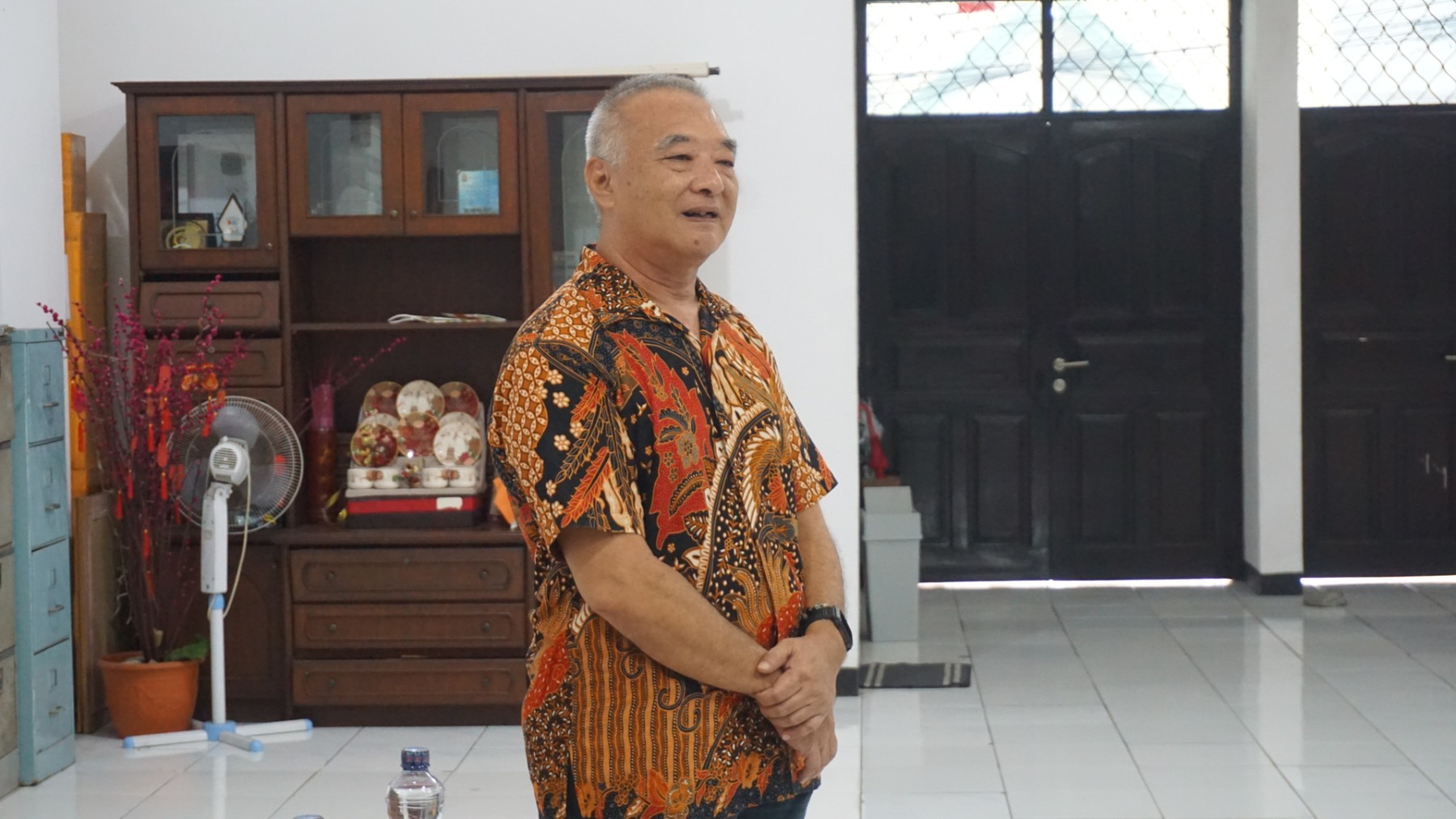
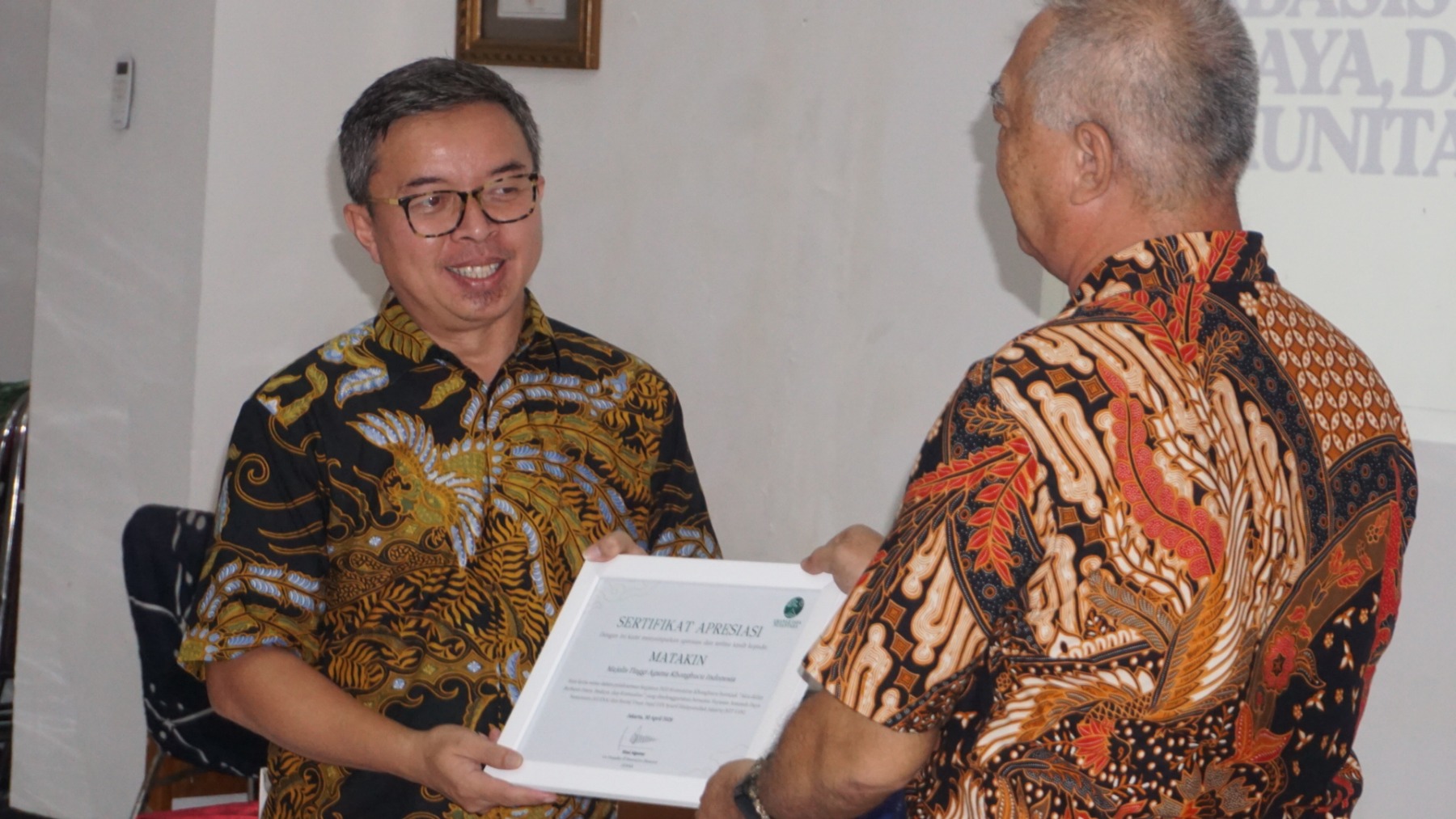
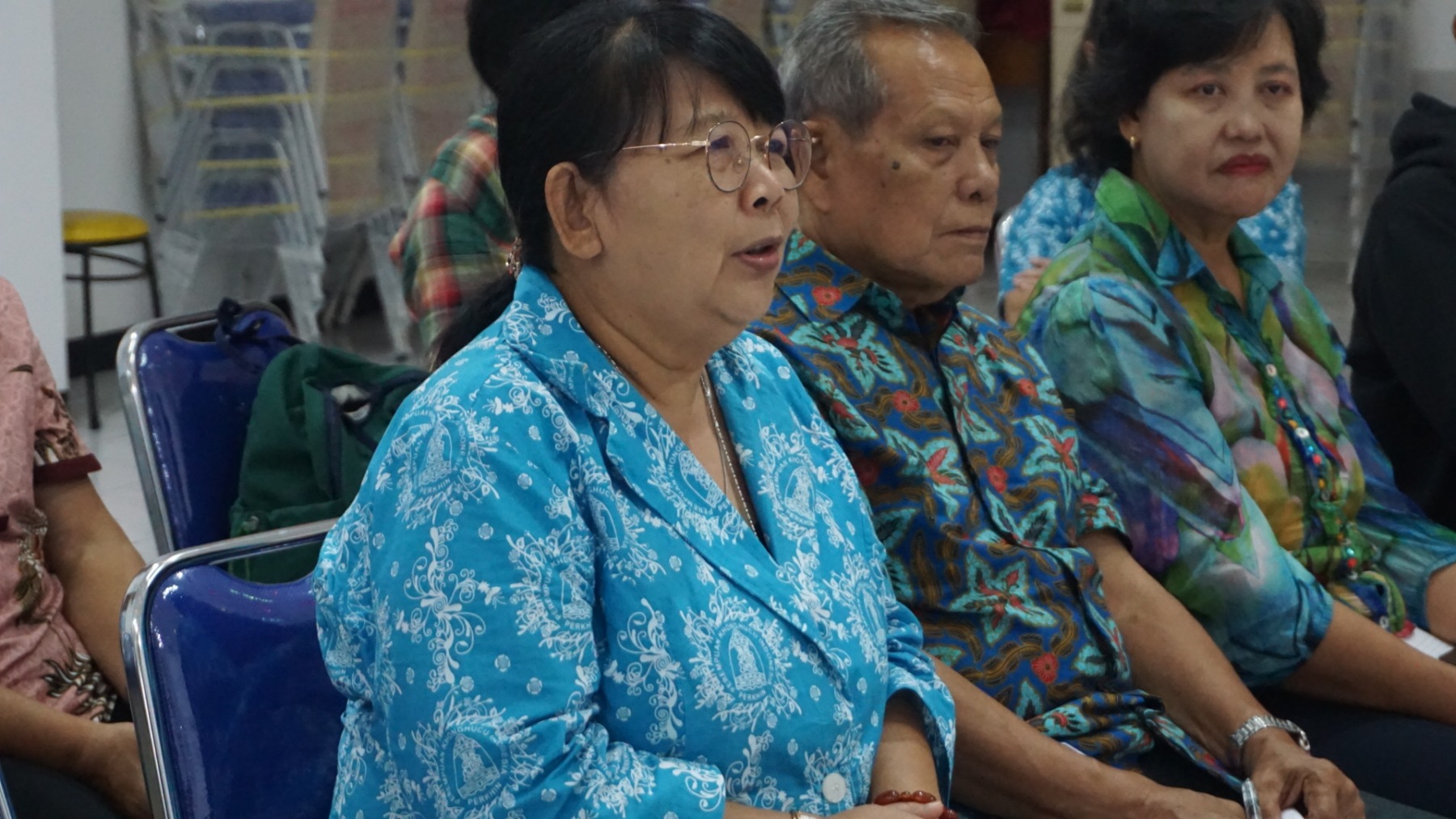
The discussion also highlighted the importance of cross-sector collaboration in strengthening climate action. MATAKIN has collaborated with various stakeholders, including the Ministry of Religious Affairs, Muhammadiyah, MUI, Djarum Foundation, and interfaith forums such as Eco-Bhinneka. However, FGD participants acknowledged ongoing challenges, including limited human resources, funding constraints, inconsistent participation, and dependence on external support. As a minority community, they also expressed concerns that their environmental initiatives and voices are often less visible in public discourse and policymaking.
Through this FGD, participants encouraged stronger environmental education, leadership regeneration, and the development of more practical climate initiatives within Confucian communities. Recommendations included expanding environmental campaigns, organizing ecobrick and eco-enzyme training, integrating ecological values into religious activities, and encouraging communities to become key drivers of environmental collaboration. The discussion demonstrated that Confucian communities possess strong moral and spiritual foundations to build more collective and sustainable environmental movements in Indonesia.