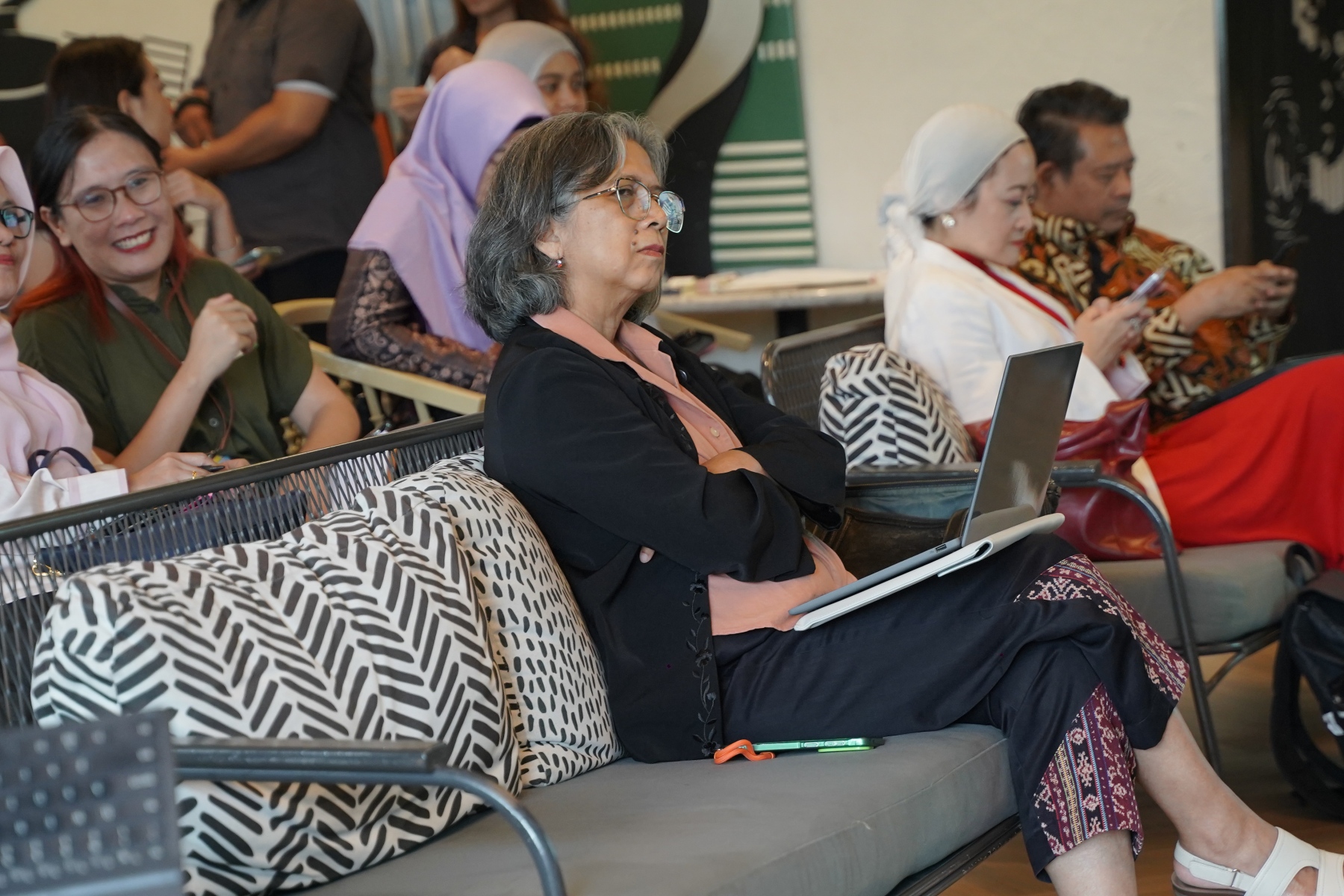
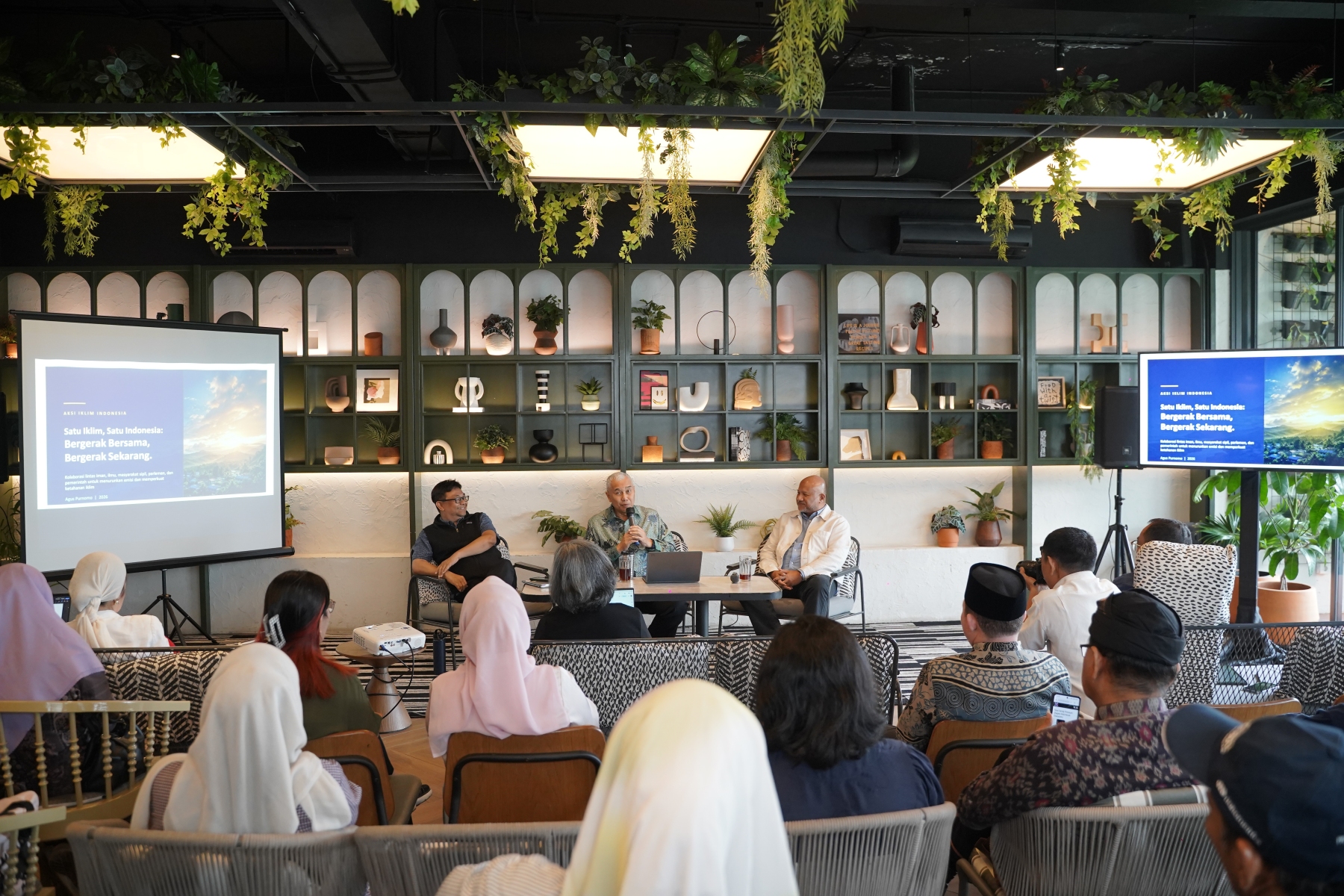
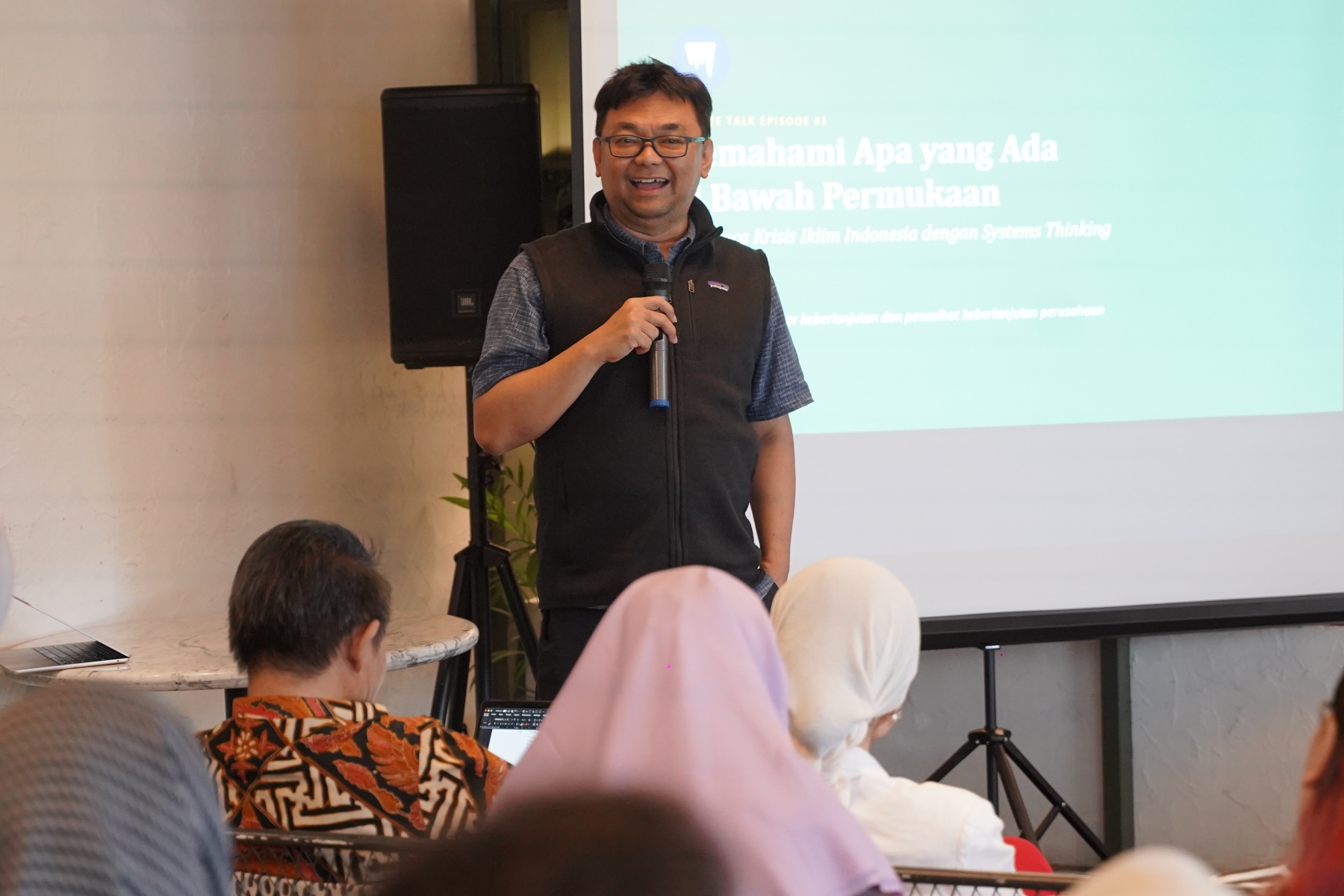
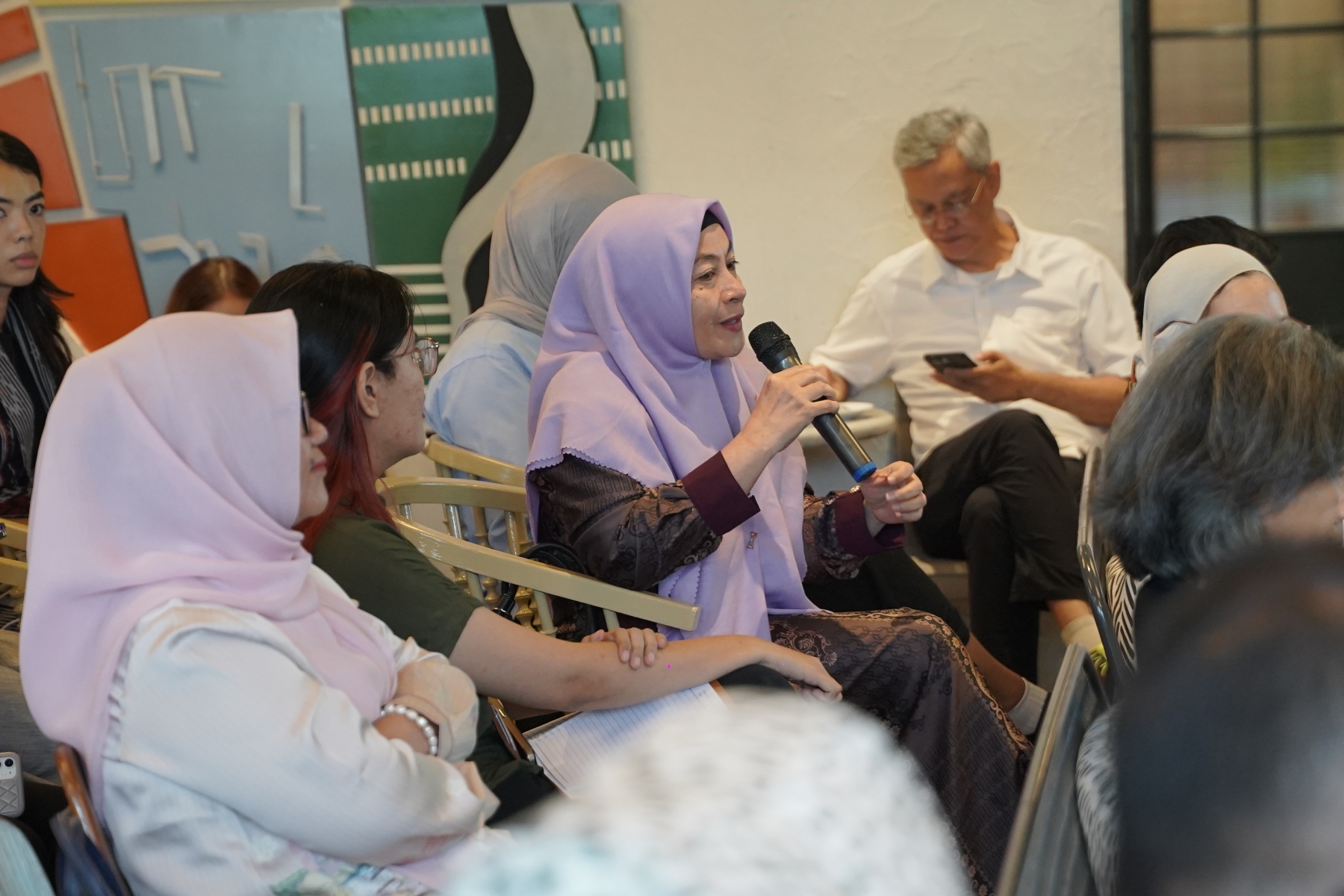
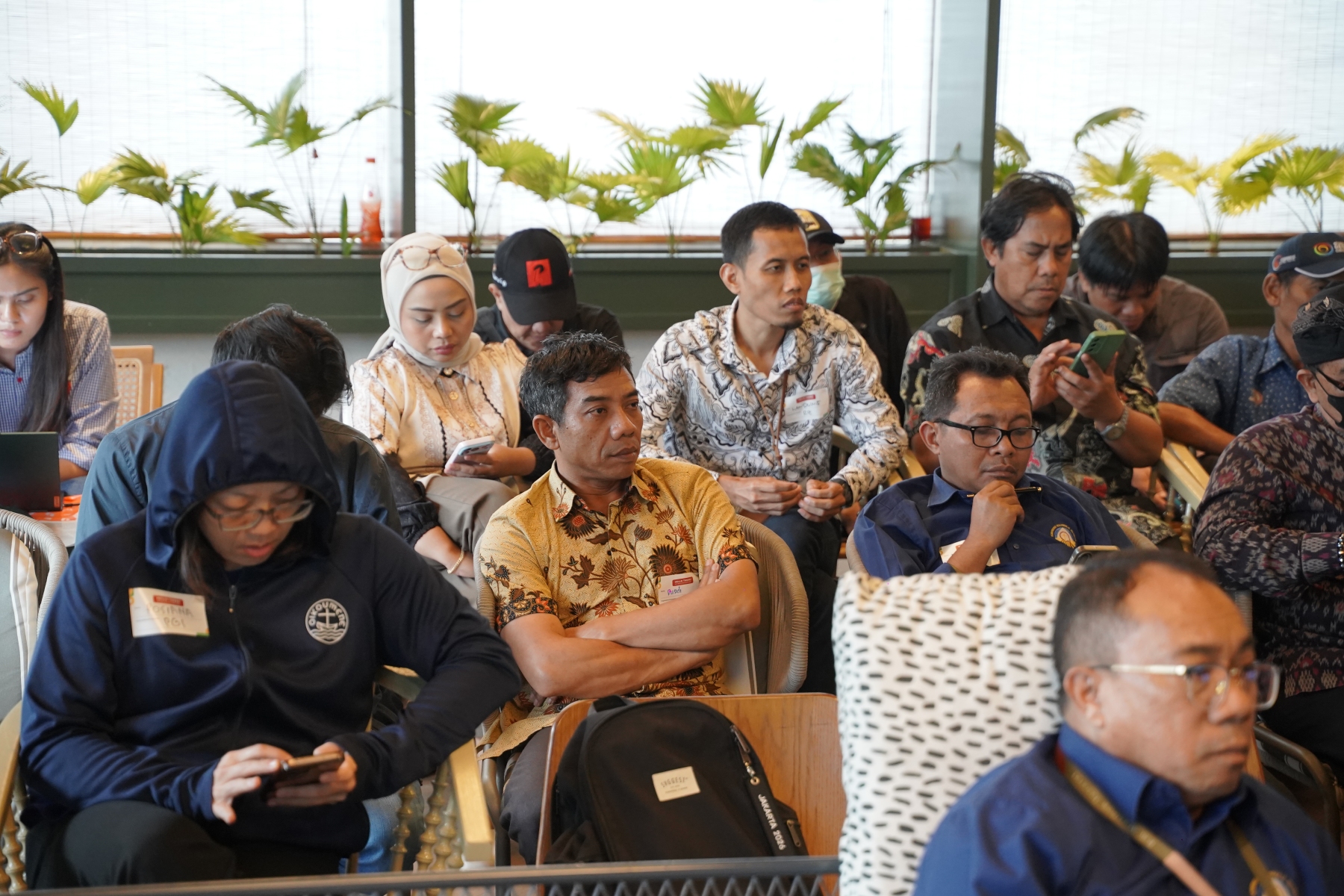
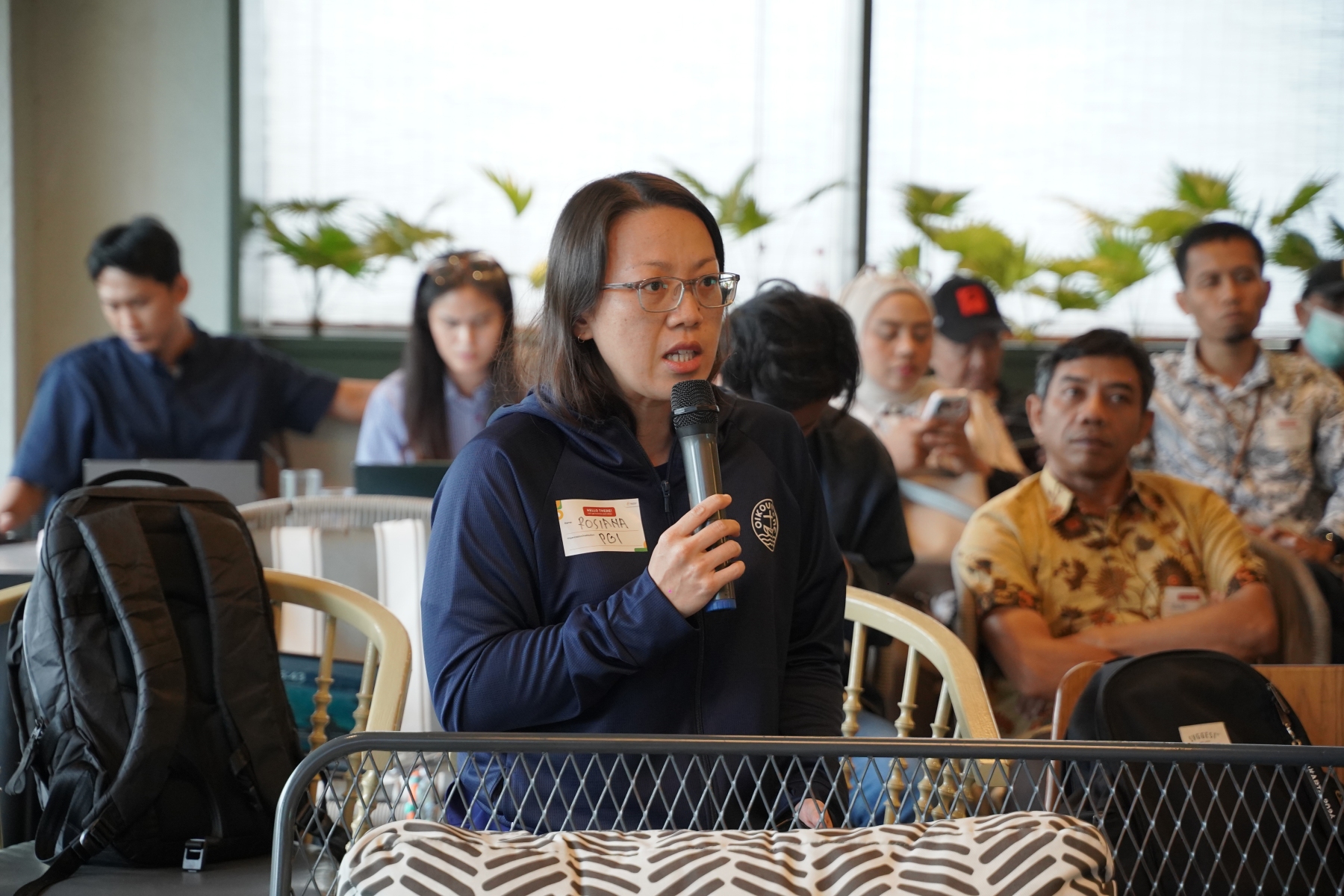
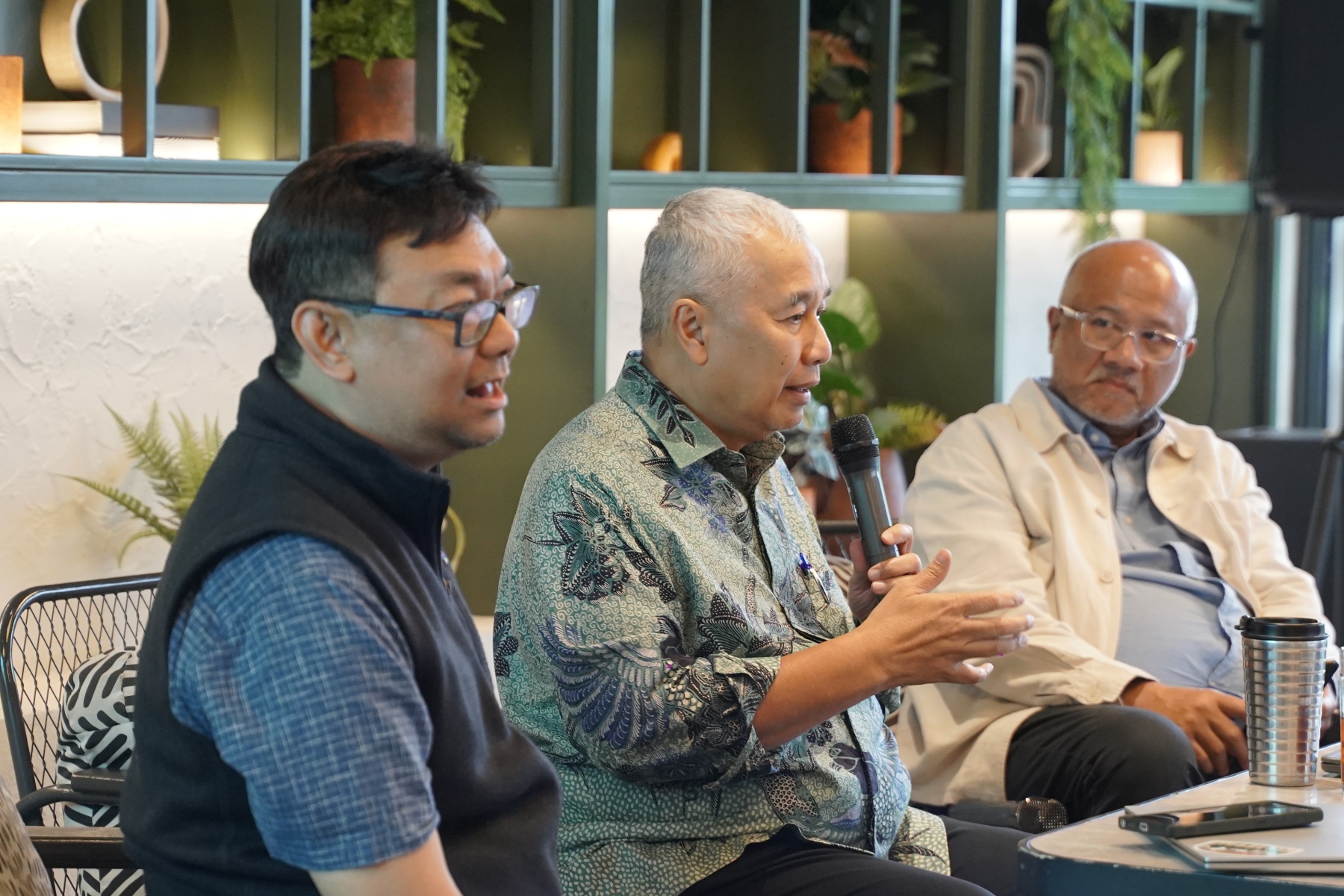
On 8 September 2026, Climate Talk Episode #1 explored the theme “Indonesia’s Climate: Present, Past & Future: Translating Global Commitments into Locally Grounded Action.” The discussion began with a key challenge: Indonesia has various climate commitments and policies, but translating them into tangible change at the community level still requires approaches that are more contextual and relevant.
Climate Talk featured Agus Purnomo, former Executive Secretary of the National Council on Climate Change (DNPI) and former Special Staff to the President of the Republic of Indonesia for Climate Change and the Environment, and Jalal, Chair of the Advisory Board of Social Investment Indonesia. The speakers highlighted that climate issues are still often discussed in technical terms, while their impacts are directly experienced through income, food, water, and livelihoods. The challenge is to make climate issues more relevant to everyday life.
However, grounding climate action also requires more than changing the way it is communicated. The climate crisis is a systemic issue. Floods, droughts, fires, and environmental degradation are visible events, but behind them are patterns, structures, ways of thinking, and paradigms that shape the relationship between people and nature. Climate action therefore needs to move beyond simply responding to impacts toward addressing their root causes.
Another challenge lies in the fragmentation of climate action. Programs, funding, indicators, and approaches often continue to operate in silos. The speakers emphasized the importance of moving from an “ego-system” to an “ecosystem,” aligning goals and collective action so that limited resources can generate broader impact.
The discussion also showed that climate action does not always have to begin with the word “climate.” Values, beliefs, and everyday needs can provide more relatable entry points for communities. When environmental issues are connected to what people find meaningful in their lives, knowledge can develop into a sense of ownership and concrete action.
Ultimately, climate action needs to move from resilience toward regeneration. It is not enough simply to withstand crises or return to previous conditions; forests, water sources, and ecosystems also need to be restored so they are stronger in the face of future crises. The challenge is to translate climate commitments into action that is relevant, collective, and genuinely felt by communities.