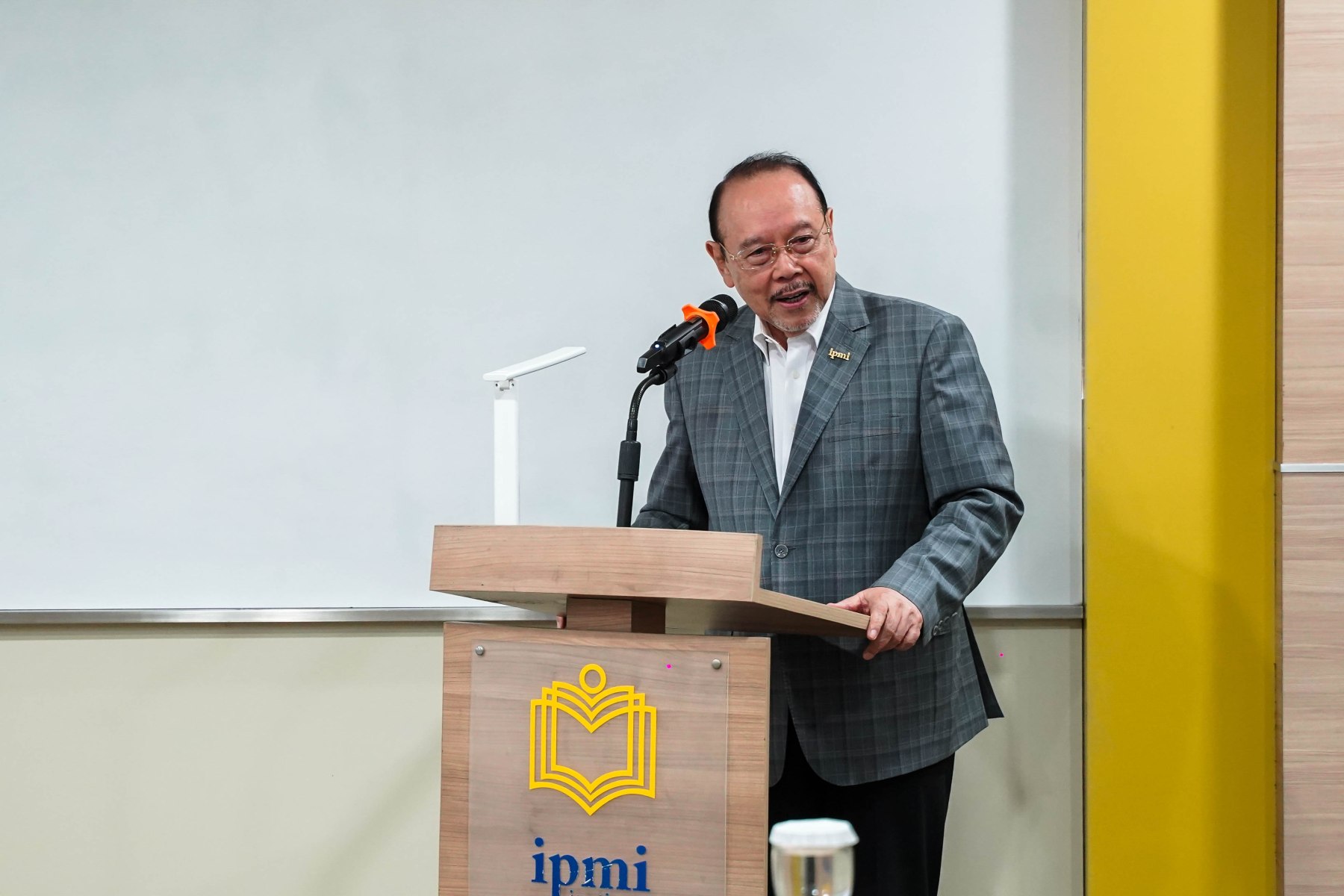
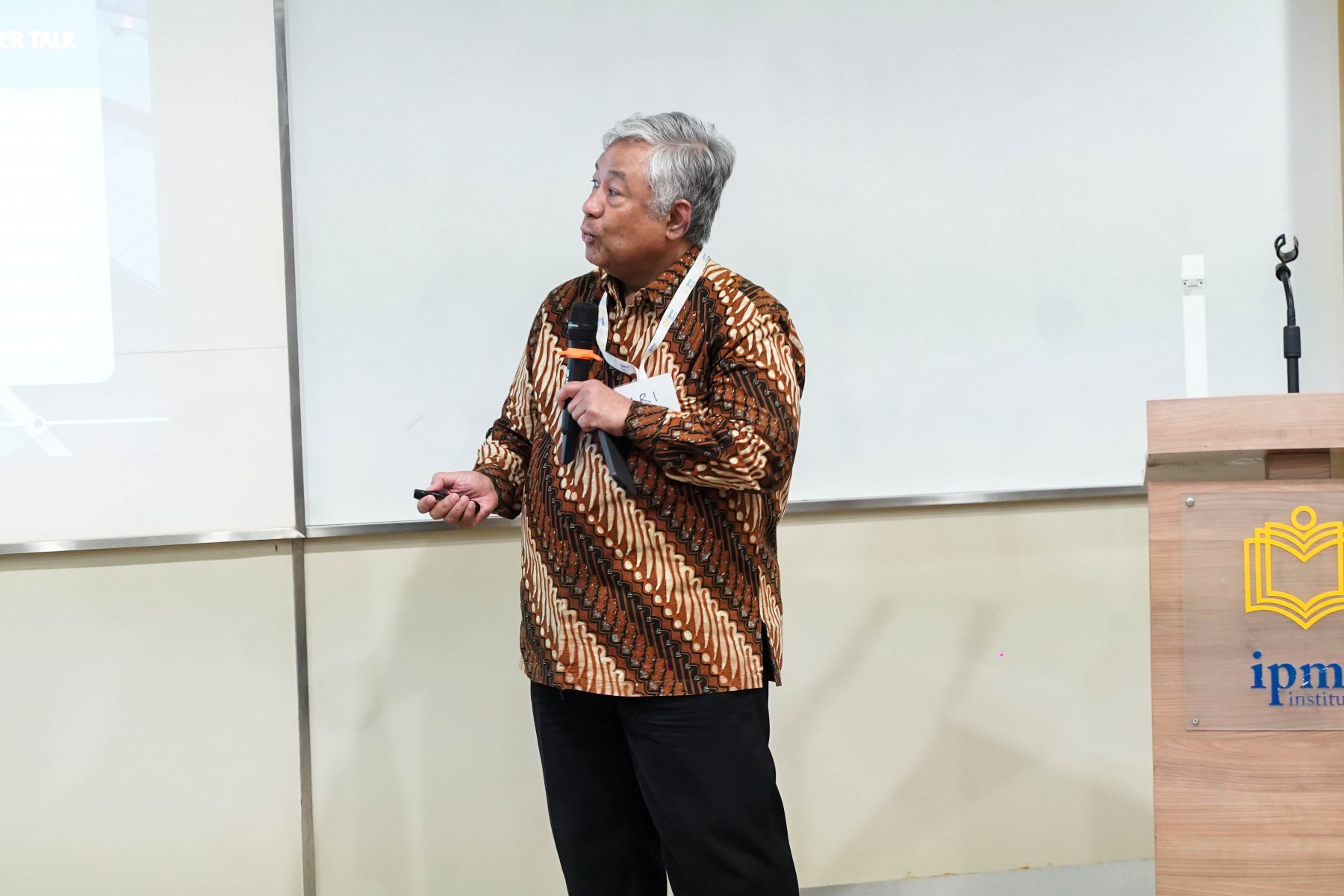
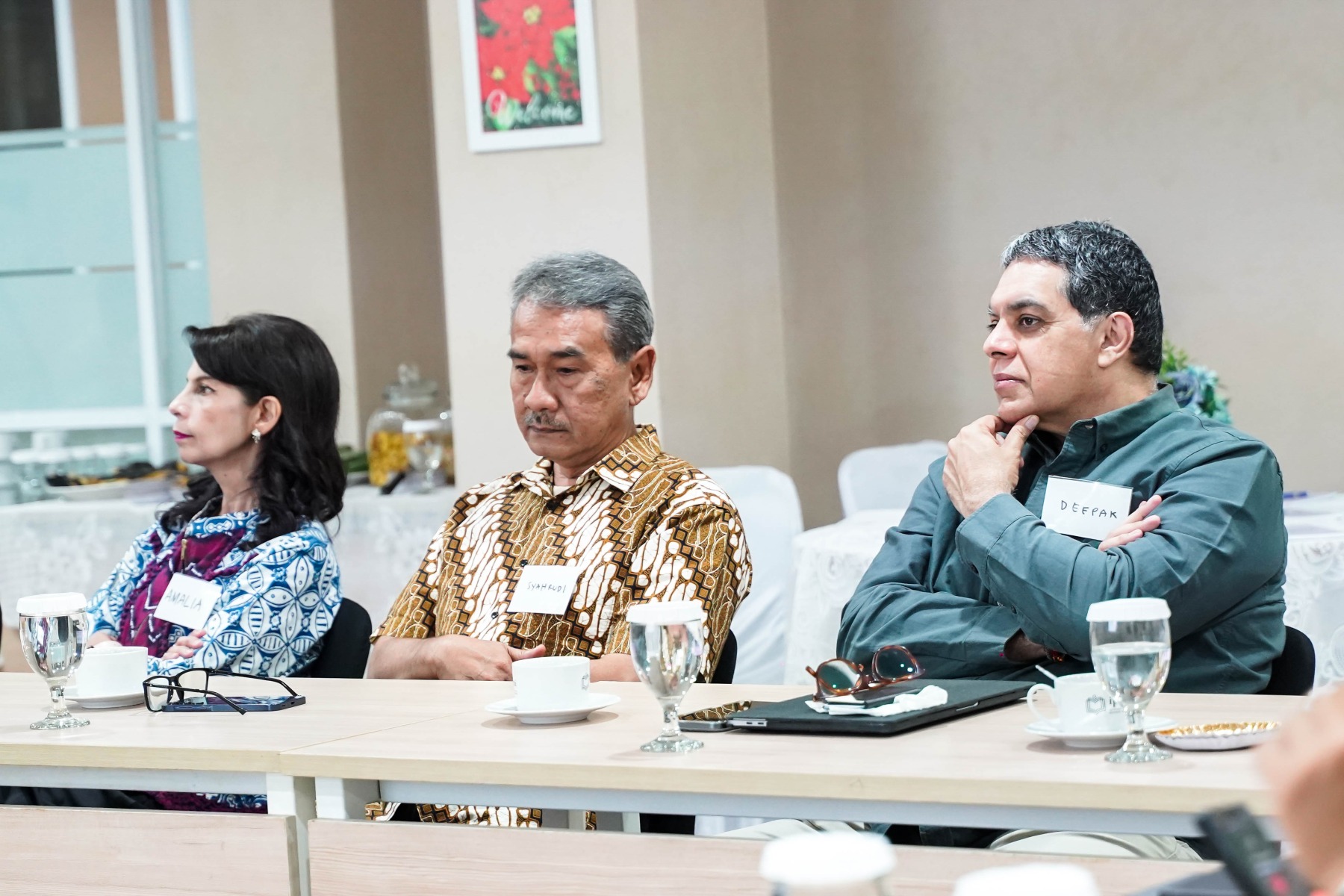
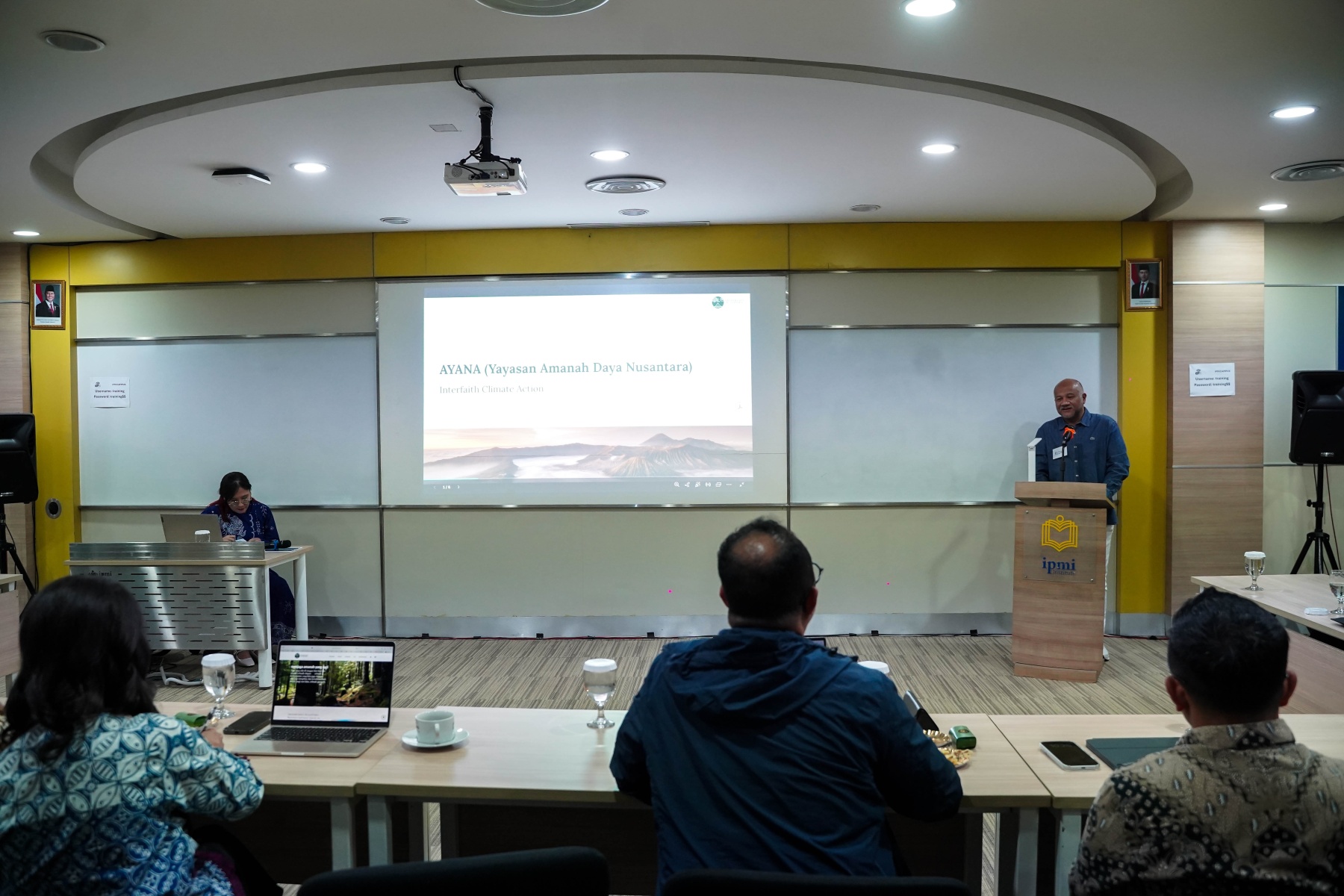
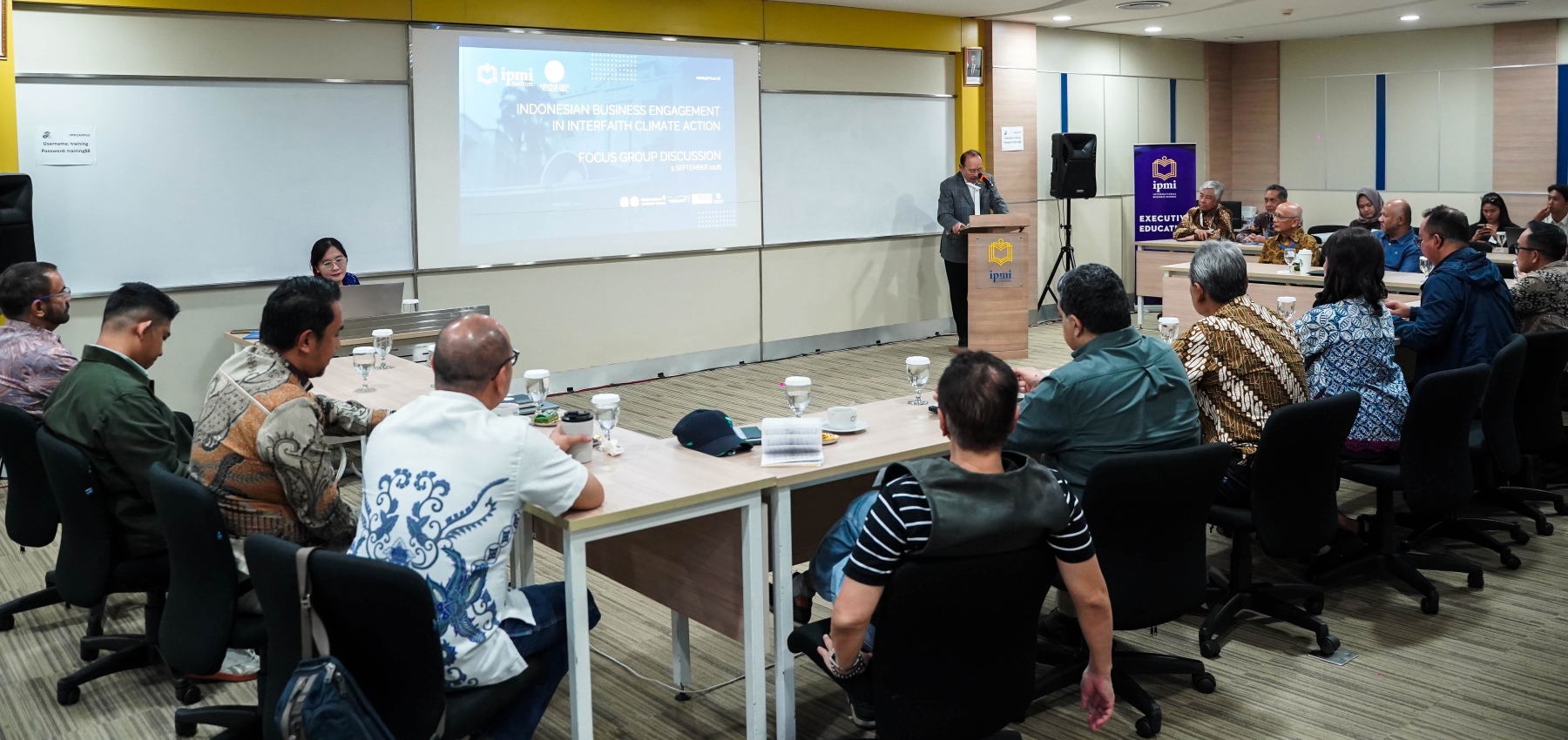
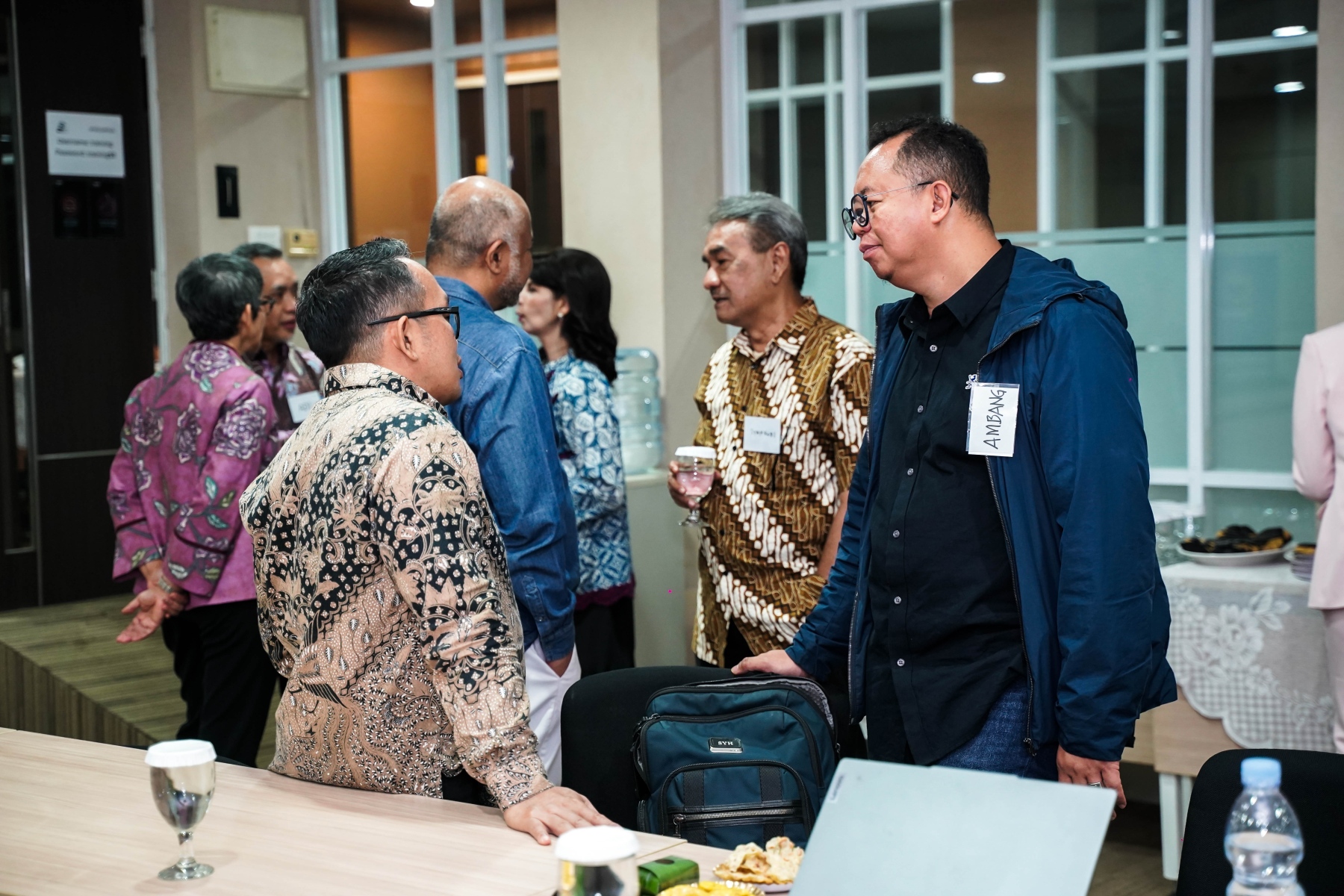
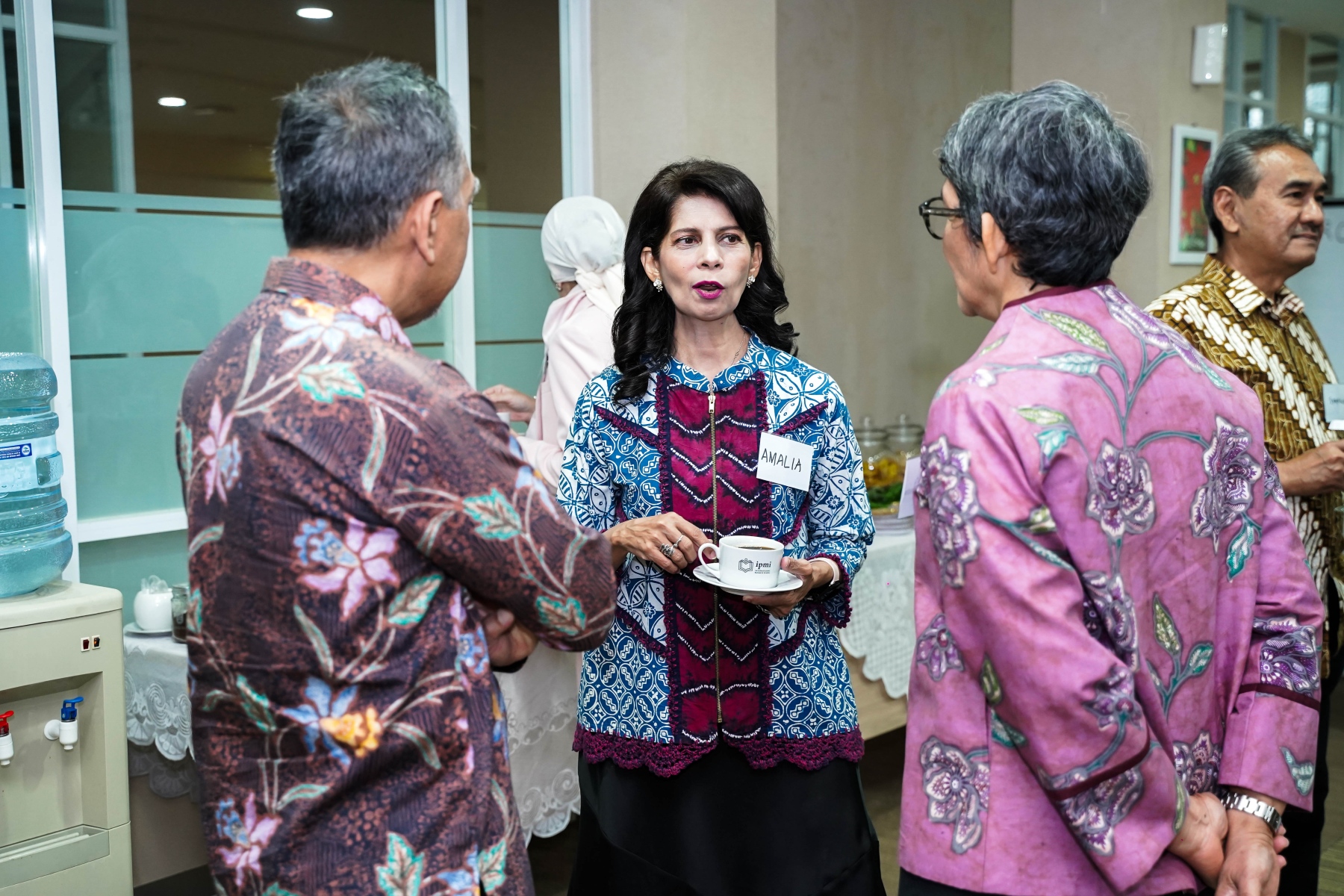
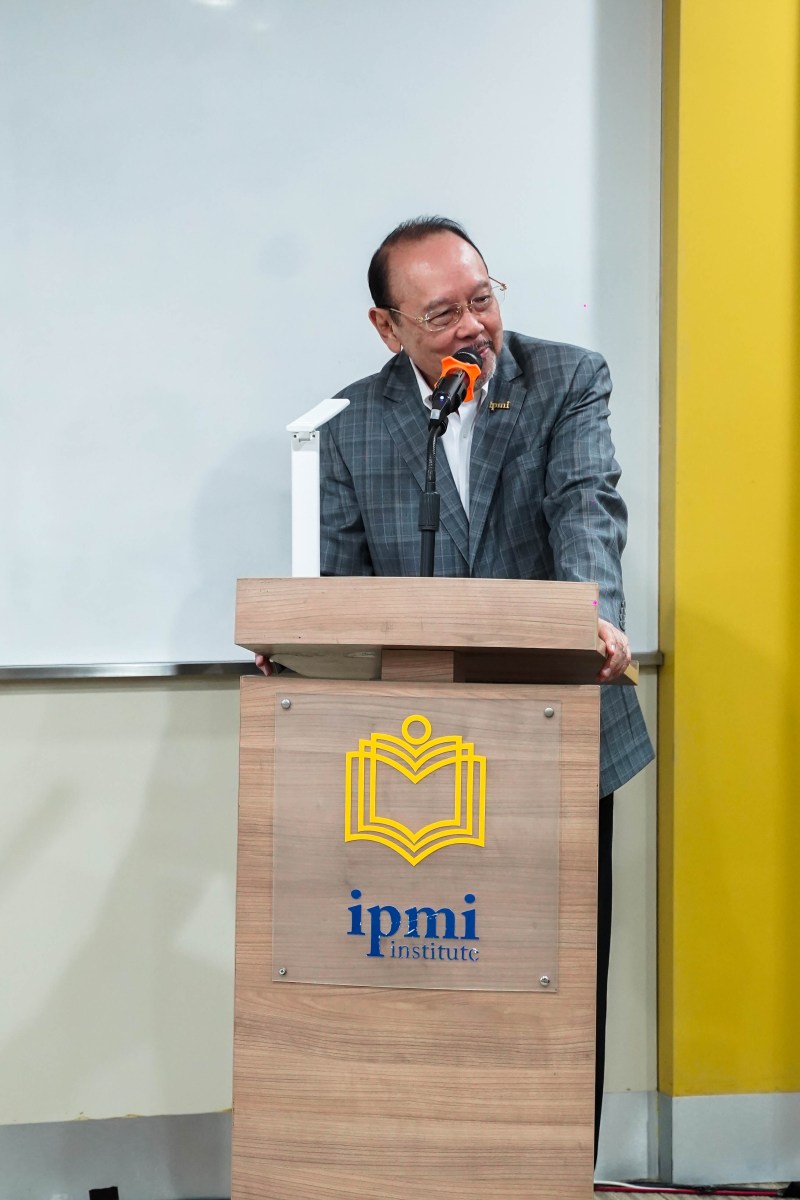
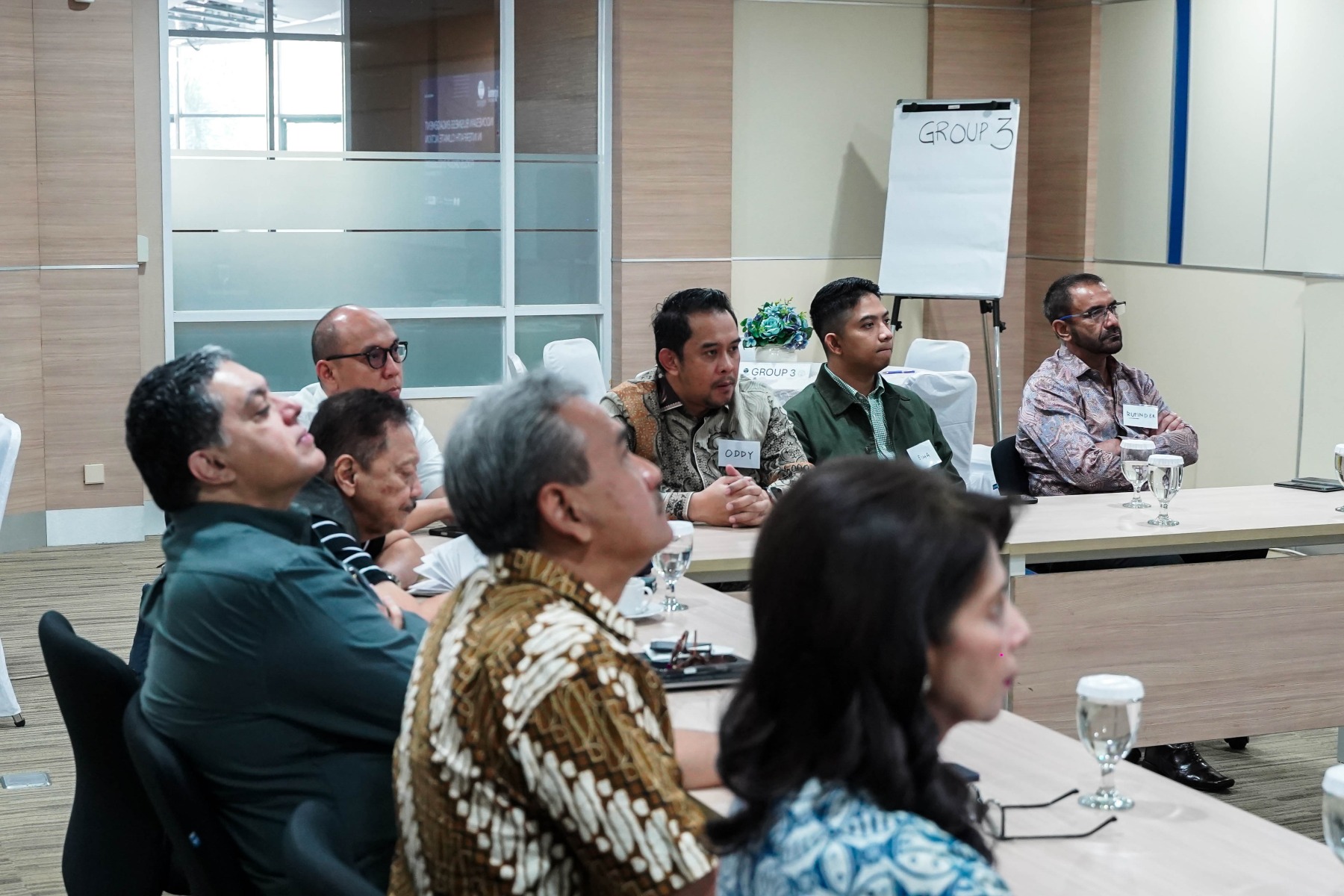
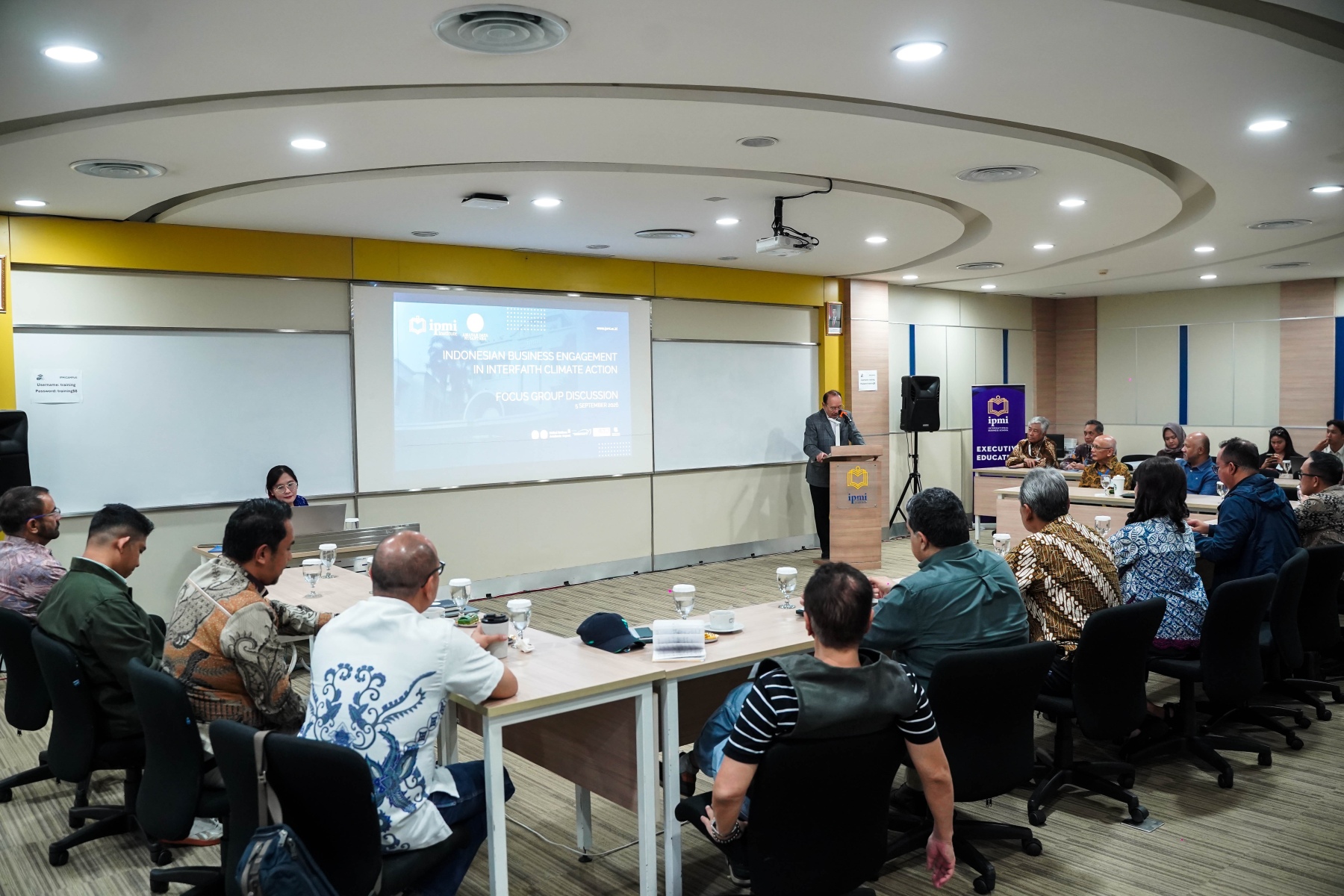
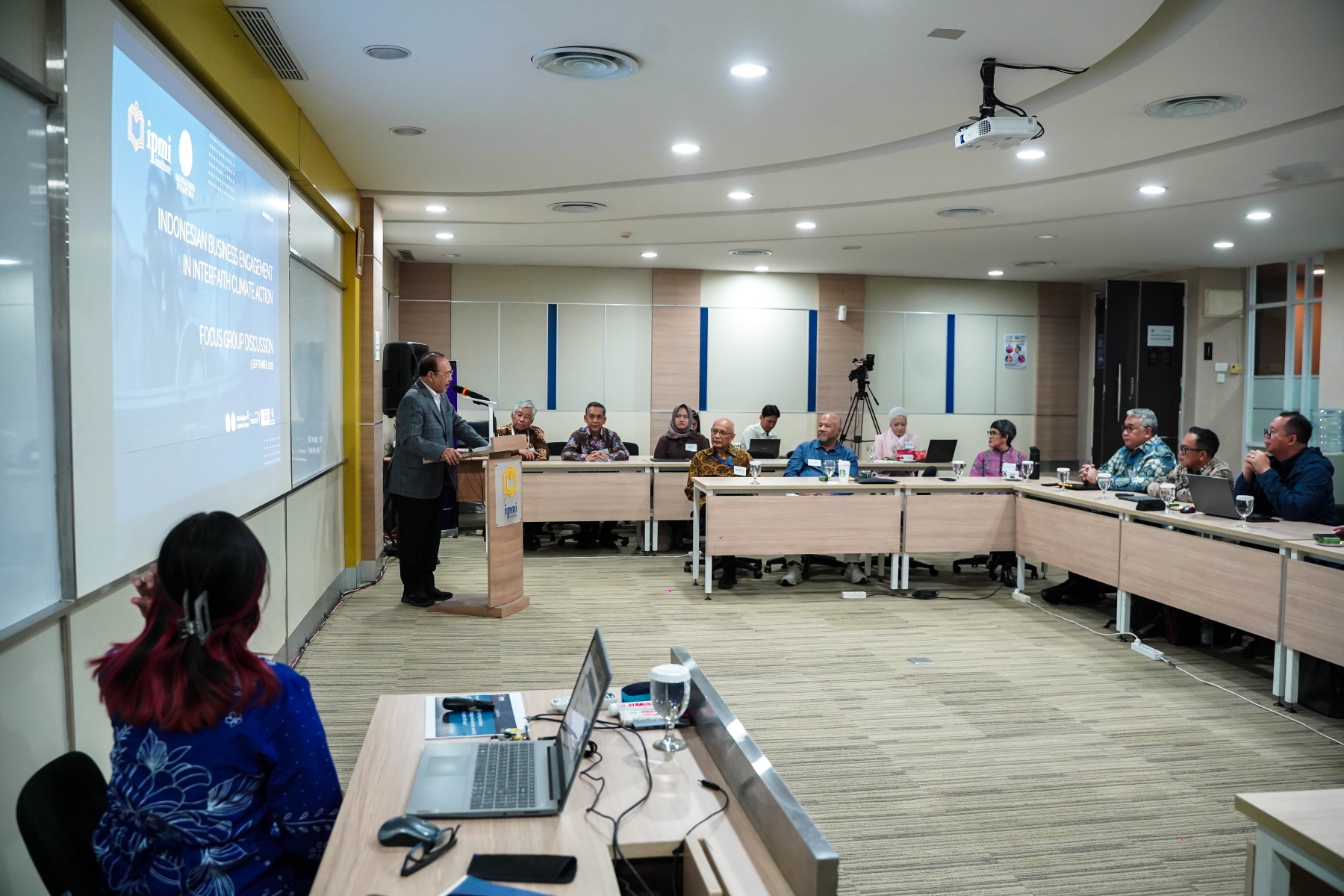
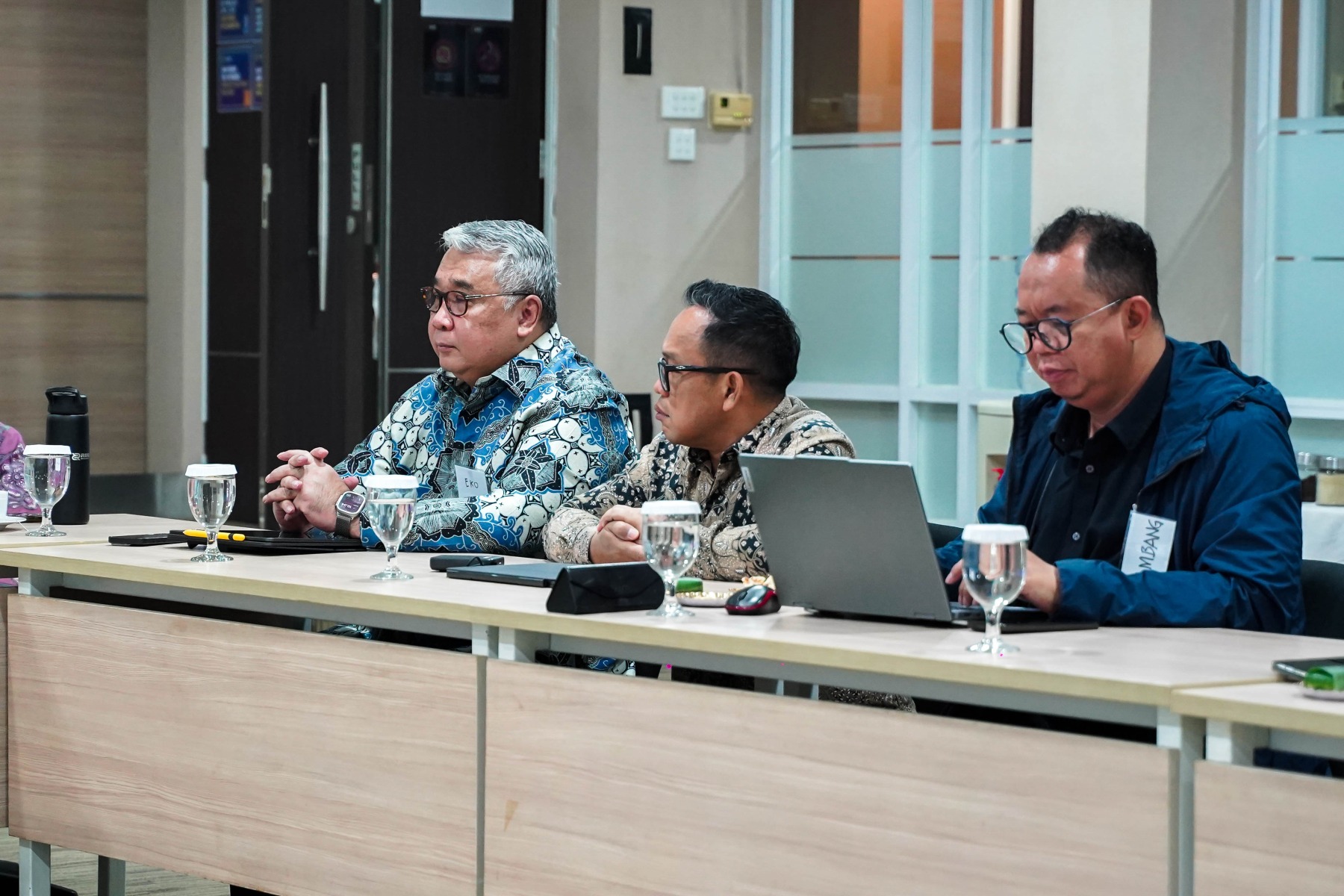
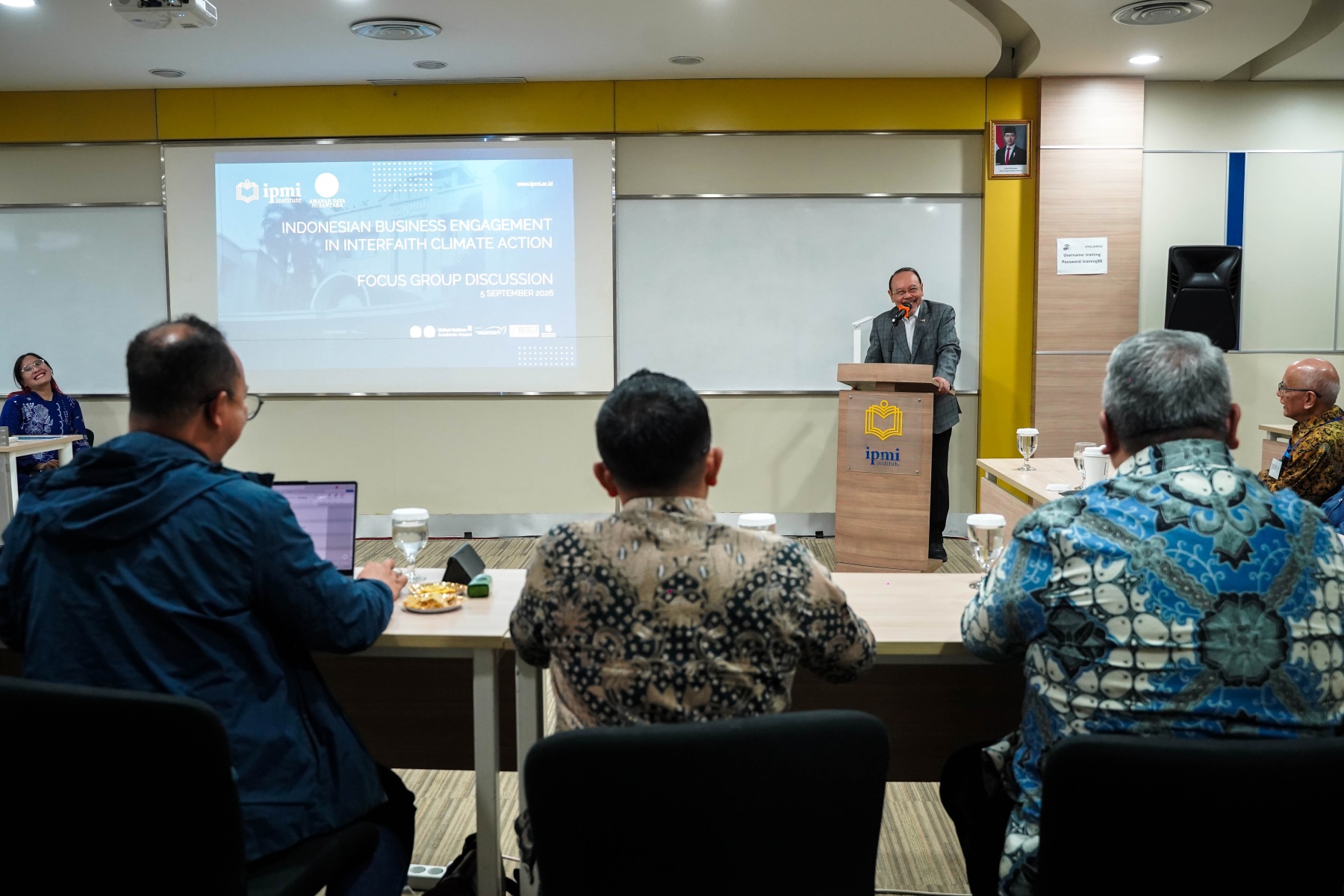
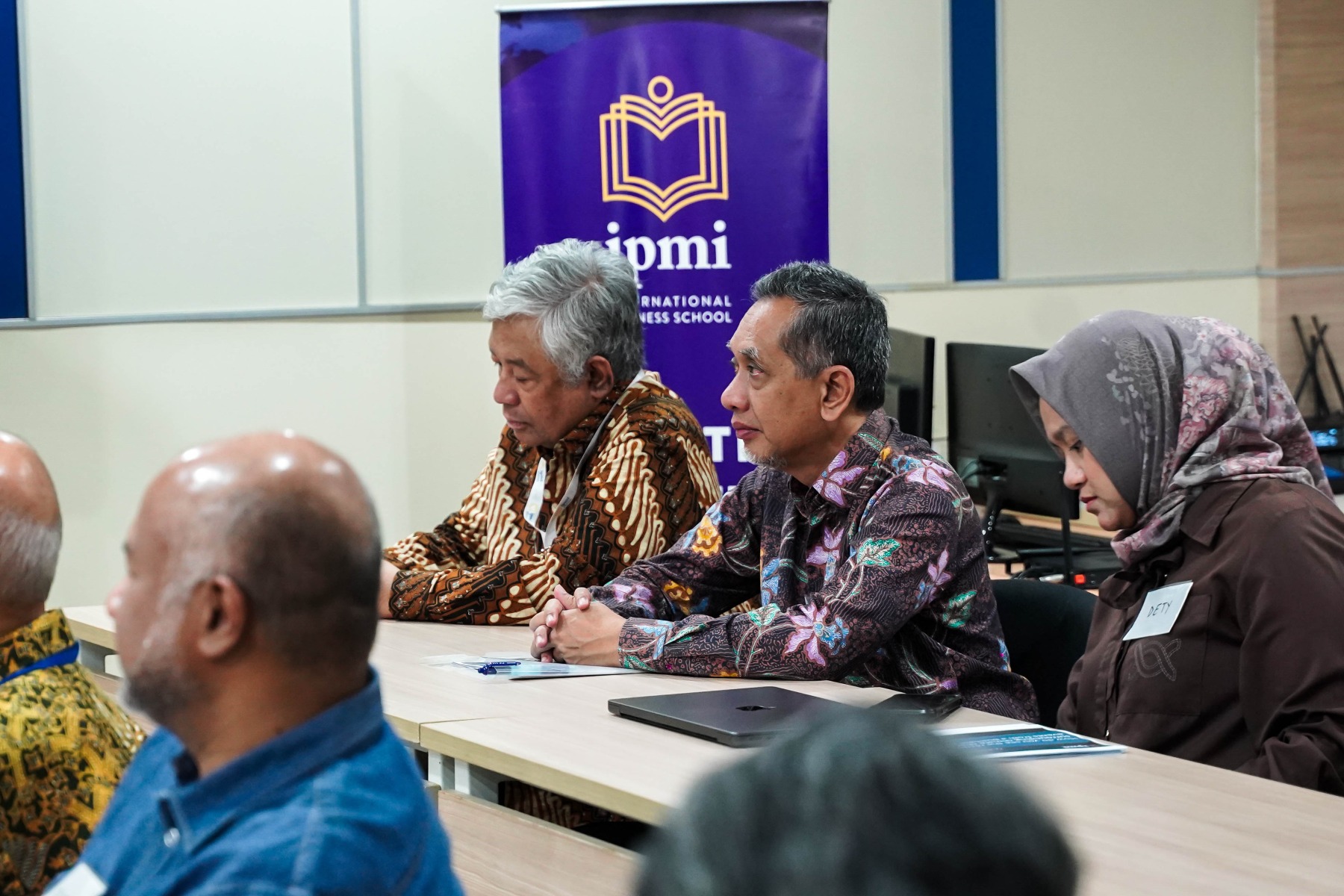
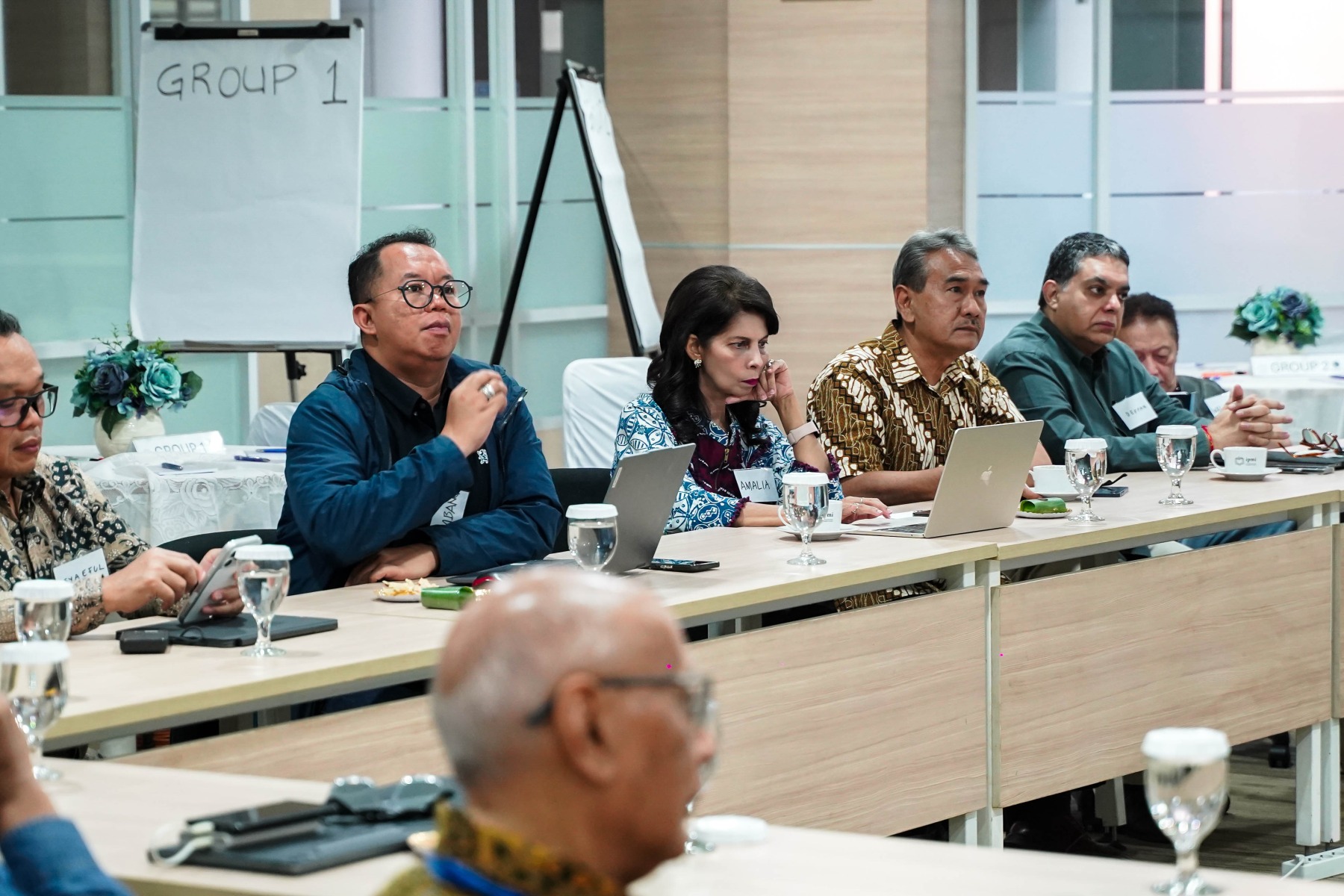
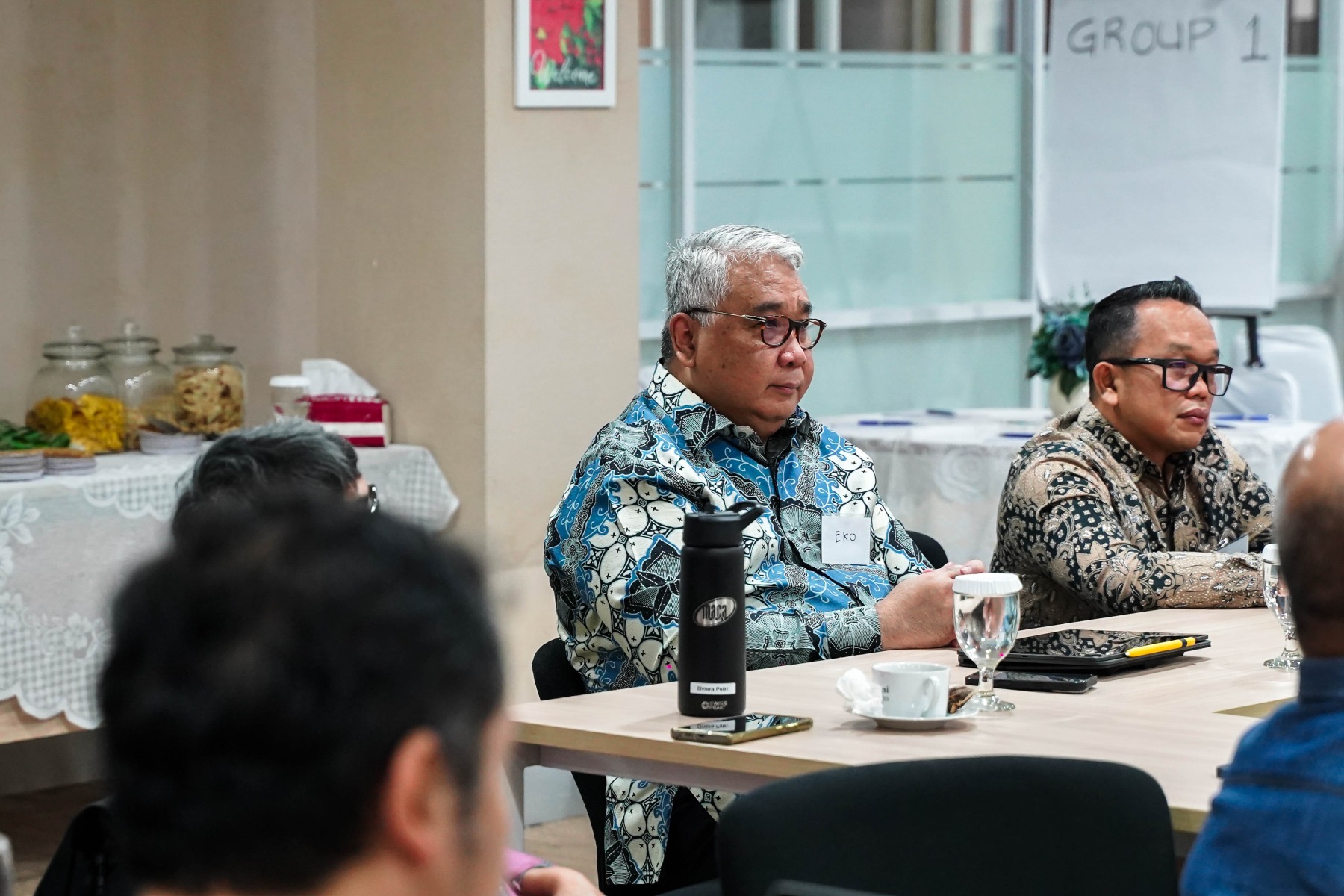
On 5th September, Yayasan Amanah Daya Nusantara (AYANA), in collaboration with IPMI Institute, convened a Focus Group Discussion (FGD) on “Indonesian Business Engagement in Interfaith Climate Action” at IPMI Institute, Jakarta. The discussion brought together 14 participants from across the business, sustainability, infrastructure, logistics, energy, agriculture, human capital, and academic sectors to explore how Indonesian businesses understand climate risks and how values-based and faith-linked approaches could contribute to more grounded climate action.
The FGD formed part of a broader effort to understand how climate action can better connect with the realities faced by businesses and communities in Indonesia. Rather than treating climate change solely through technical concepts such as emissions, ESG requirements, and compliance, the discussion explored how climate risks are already affecting everyday business operations, livelihoods, and communities.
Climate Change Is Already a Business Issue
Across the discussion, participants highlighted that climate change is no longer a distant or abstract concern for Indonesian businesses.
Water scarcity, extreme weather, supply-chain disruption, and regulatory uncertainty emerged as some of the most pressing risks. Participants shared examples ranging from industrial operations disrupted by water shortages to oil fields affected by flooding and ports increasingly exposed to sea-level rise. These impacts can cascade across sectors, affecting business continuity, supply chains, and Indonesia’s broader economic resilience.
At the same time, participants identified a persistent gap between the way climate change is commonly discussed and the way its impacts are actually experienced. Technical terminology — including emissions scopes and compliance frameworks — can make climate conversations difficult to relate to, even as communities and businesses are already experiencing floods, droughts, haze, and other climate-related disruptions.
The discussion therefore highlighted the importance of making climate narratives more accessible and connected to lived realities, livelihoods, and local contexts.
Climate Action Requires More Than Individual Business Efforts
Another strong message from the FGD was that many climate challenges cannot be addressed by businesses acting alone.
Participants pointed to inconsistent regulations, fragmented institutional responsibilities, permitting bottlenecks, and limited coordination as barriers to investment and innovation. Stronger government leadership and clearer policy direction were seen as important enabling conditions, alongside financing, research, data, and innovation from financial institutions and academia.
This reinforces the need for climate action to move beyond isolated initiatives toward stronger collaboration across businesses, government, academia, civil society, and communities.
Where Can Faith and Values Play a Role?
A key part of the discussion explored a more specific question: Can trusted faith actors help connect climate action with communities?
Participants offered different perspectives.
Some saw opportunities for religious networks and houses of worship to support practical initiatives such as renewable energy, waste management, and water conservation. Others cautioned against assuming that religious leaders’ moral authority automatically gives them credibility on technical climate issues or using faith institutions merely as communication channels for corporate agendas.
Despite these different views, an important area of convergence emerged: faith-based engagement has potential when it is participatory, grounded in community needs, connected to tangible livelihood benefits, and supported by sustained capacity building. Participants also emphasized that long-term shared-value models are more credible and sustainable than one-off CSR initiatives.
Practical examples discussed included solar electrification for mosques, waste management through religious networks, and water conservation messages linked with religious teachings. In this context, houses of worship could potentially serve not only as places of worship, but also as community hubs for locally relevant climate solutions.
Building Climate Action Around Trust and Shared Value
The discussion also highlighted how different actors can contribute to a more collaborative and grounded approach to climate action. Businesses can bring capital, technology, market access, and commercially viable solutions, while religious leaders can help build trust, connect climate action with shared values, and encourage community participation. Communities contribute local knowledge and ownership, while government and academia can strengthen the enabling environment through policy, infrastructure, financing, and evidence-based knowledge.
Within this ecosystem, AYANA can play a role as a neutral convener, bringing different actors together and facilitating partnerships that are credible, participatory, and grounded in community needs. This intermediary role can also help ensure that engagement between businesses and religious institutions is built around shared value rather than perceived as transactional.
The FGD marks an initial step in a broader evidence-building process, providing insights that can inform further validation, stakeholder engagement, and the development of partnership models that connect climate action with livelihoods, values, and trust.