

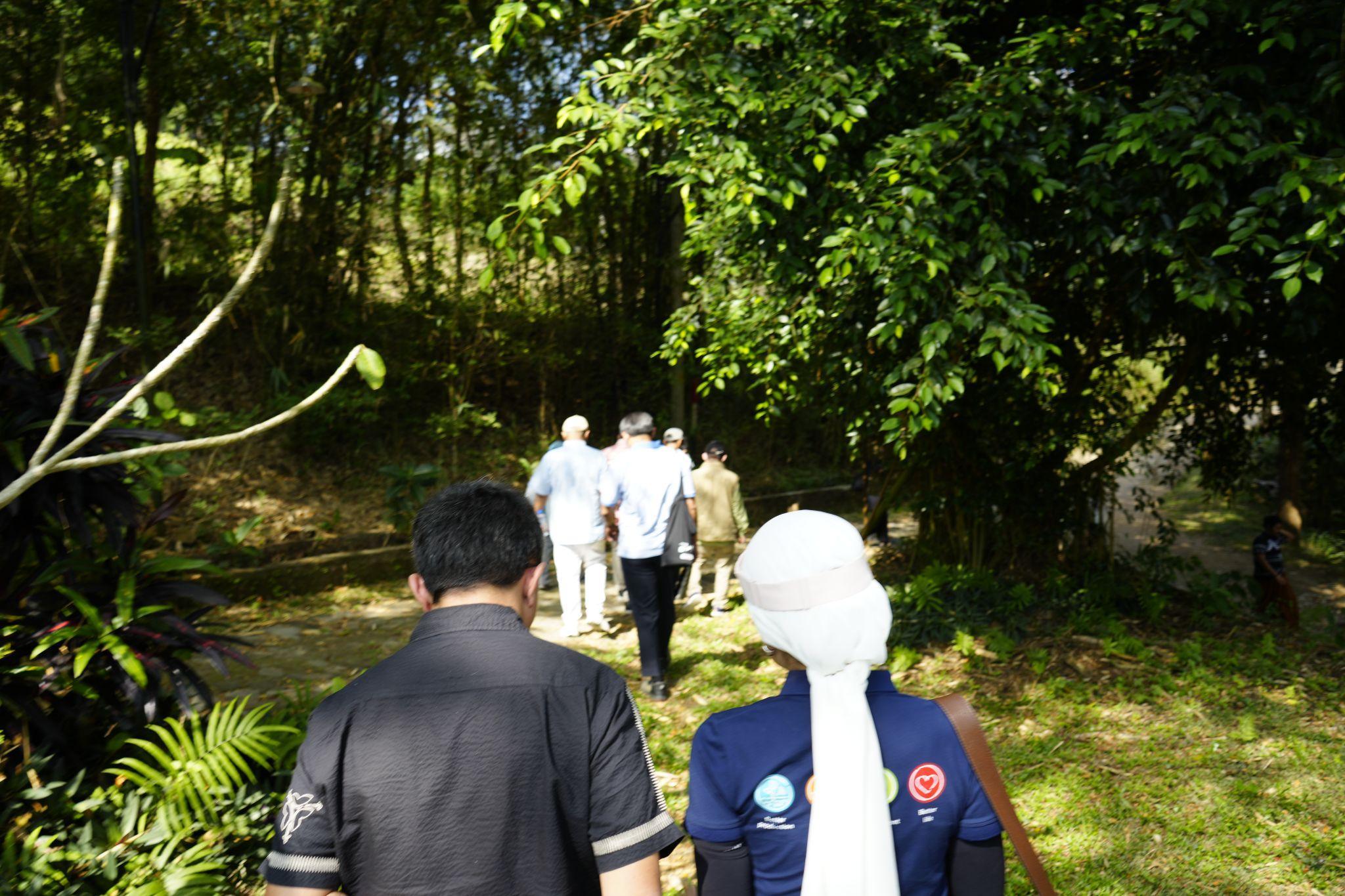
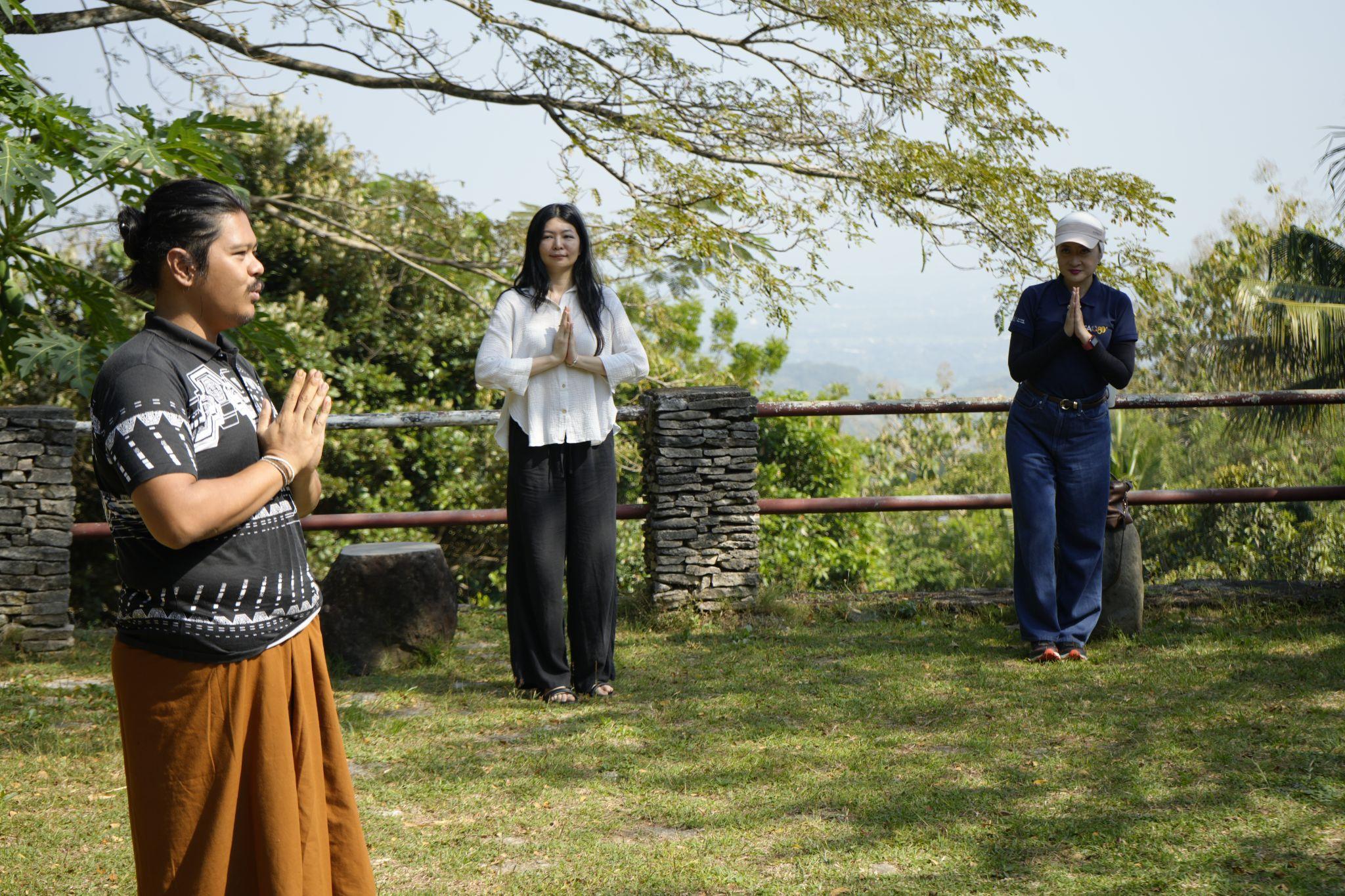
From 19–21 June 2026, AYANA organized a Capacity Building & Field Sensing journey in Yogyakarta, bringing together board members, partners, and the AYANA team for a shared learning experience. Through field visits, reflective discussions, and informal conversations, we sought to understand how climate action can emerge and take root within communities—not merely as a program, but as a way of life grounded in values, faith, and care for one another.
Yogyakarta was a meaningful setting for this journey. As the birthplace of Muhammadiyah—one of the world’s largest Islamic organizations—and home to inspiring community-based sustainability initiatives such as Bumi Langit Institute and Agradaya, the city offered a unique opportunity to explore how values, community leadership, and practical action come together to create lasting change.
Before this journey, we believed AYANA’s greatest challenge was to create more programs and expand our reach. After meeting the changemakers on the ground, however, we found ourselves asking a different question:
How can AYANA help more changemakers like them be discovered, strengthened, and connected so their work can continue to grow?
We realized that Indonesia does not lack people who are creating meaningful change. What is often missing is an ecosystem that can identify these quiet yet impactful initiatives, document their knowledge, connect them with one another, and help them scale their impact.
Three Stories, Three Paths, One Shared Purpose
Agradaya: Nurturing Nature, Growing Livelihoods
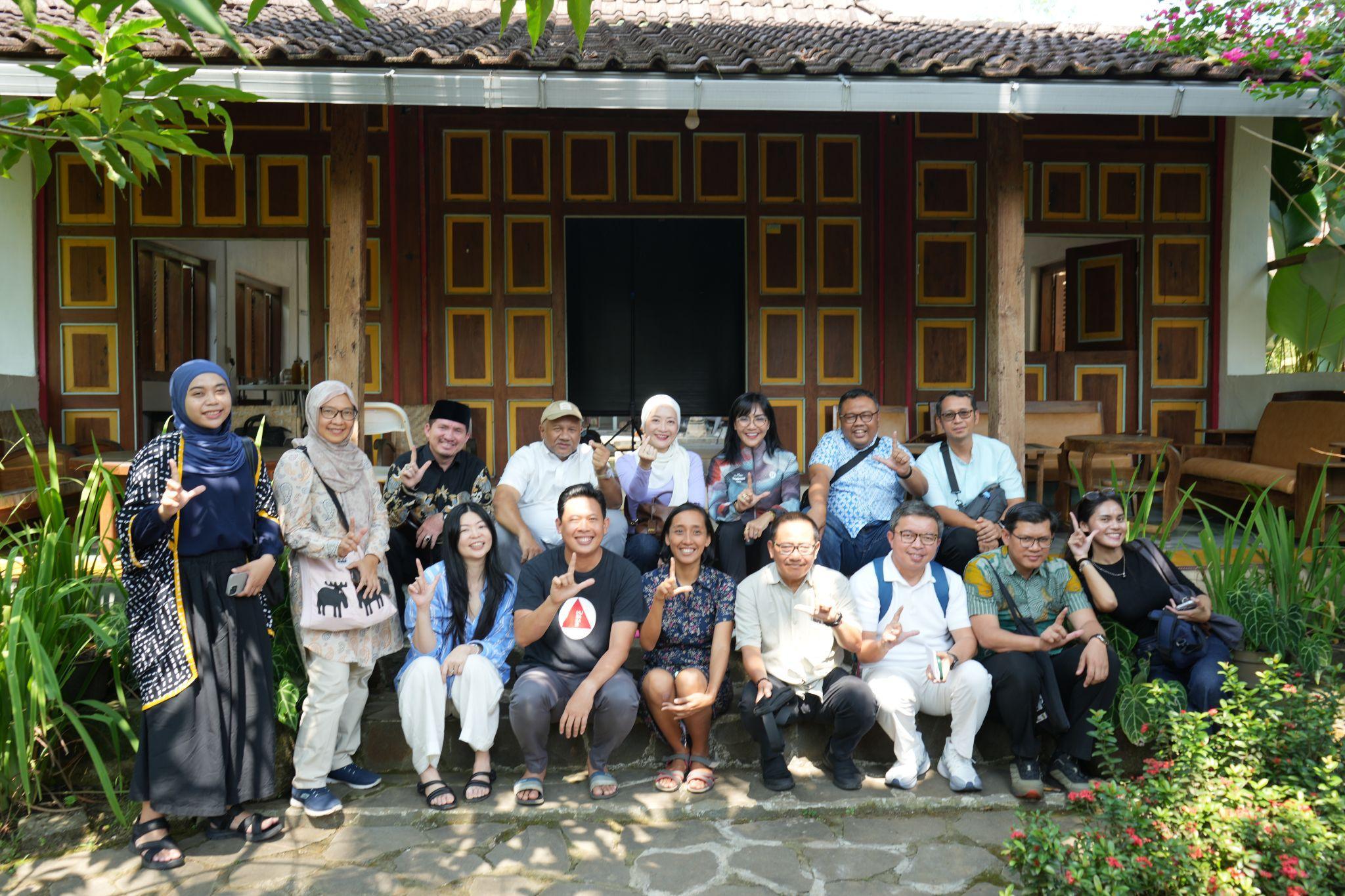
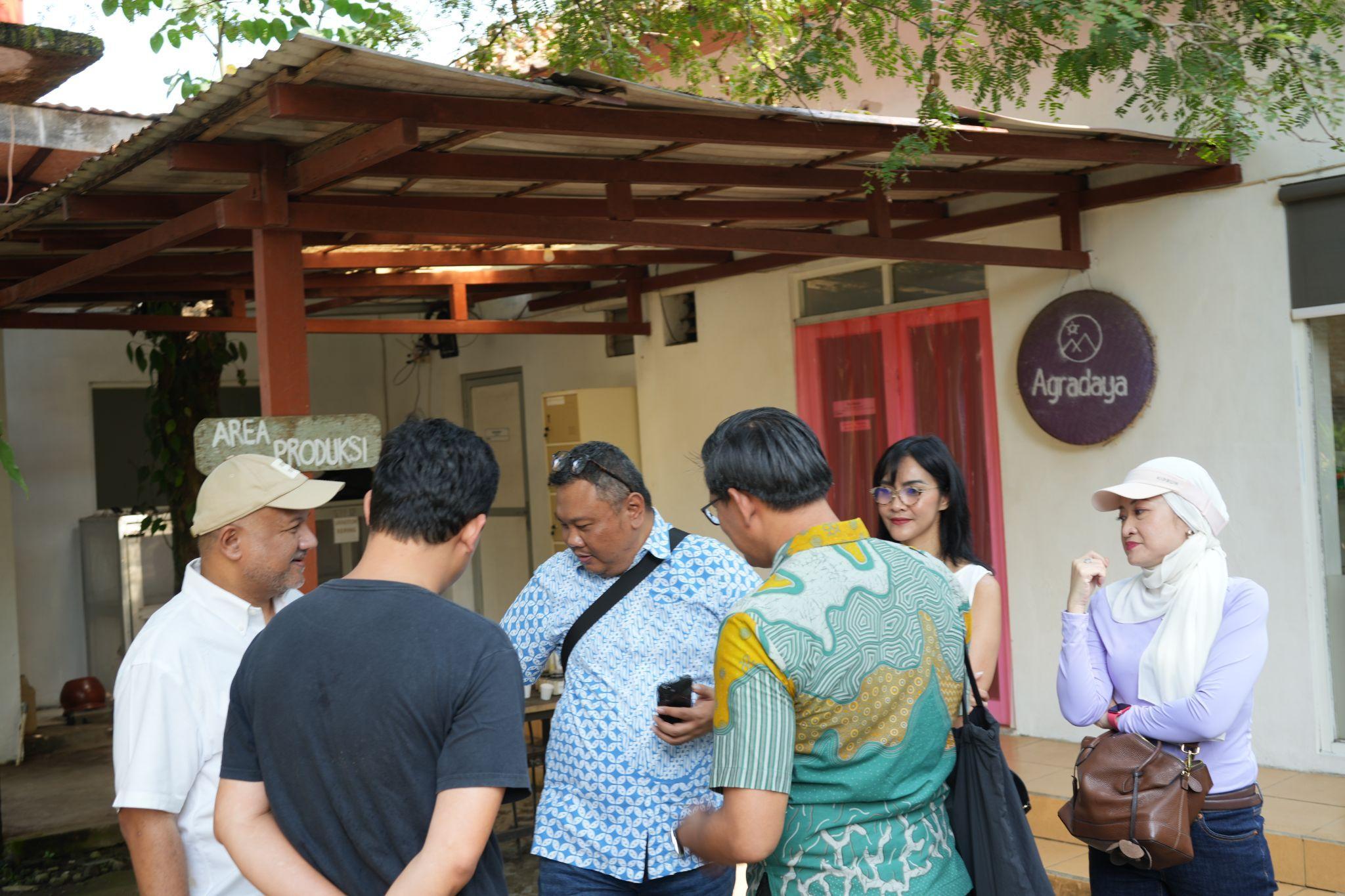
Our journey began at Agradaya, where we met Andhika and Asri. They chose to leave behind the comfort of life in Jakarta to build a new life in Sendangrejo, Yogyakarta. Their decision was not an escape, but a calling to pursue a life with deeper purpose.
What left the strongest impression on us was not the social enterprise they built, but how they chose to begin. They did not arrive with a project or assume they knew what the community needed. Instead, they chose to live alongside local farmers, listen, learn, and patiently build trust. They understood that meaningful relationships are cultivated through patience, not rushed interventions.
From this long process, Agradaya emerged—a social enterprise that demonstrates how environmental stewardship can go hand in hand with improving farmers’ livelihoods through agroforestry and the cultivation of locally grown spices.
For us, Agradaya embodies the spirit of ayat kauniyah—the understanding that nature itself is a sign of the Creator, teaching us that when people care for the Earth, the Earth, in turn, sustains human life. Through agroforestry, Agradaya shows that restoring nature and improving community well-being are not competing goals, but mutually reinforcing ones.
Eco-Masjid Al-Muharram: When Worship Becomes a Way of Caring for the Earth
Our next stop brought us to Eco-Masjid Al-Muharram, where we met Ustadz Ananto Isworo, recipient of the 2026 Kalpataru Adya Award in the Environmental Pioneer category. For years, he has faced the same question from members of the community: Why would a mosque become a place for collecting waste?
Rather than answering with theories or arguments, he chose to answer through action.
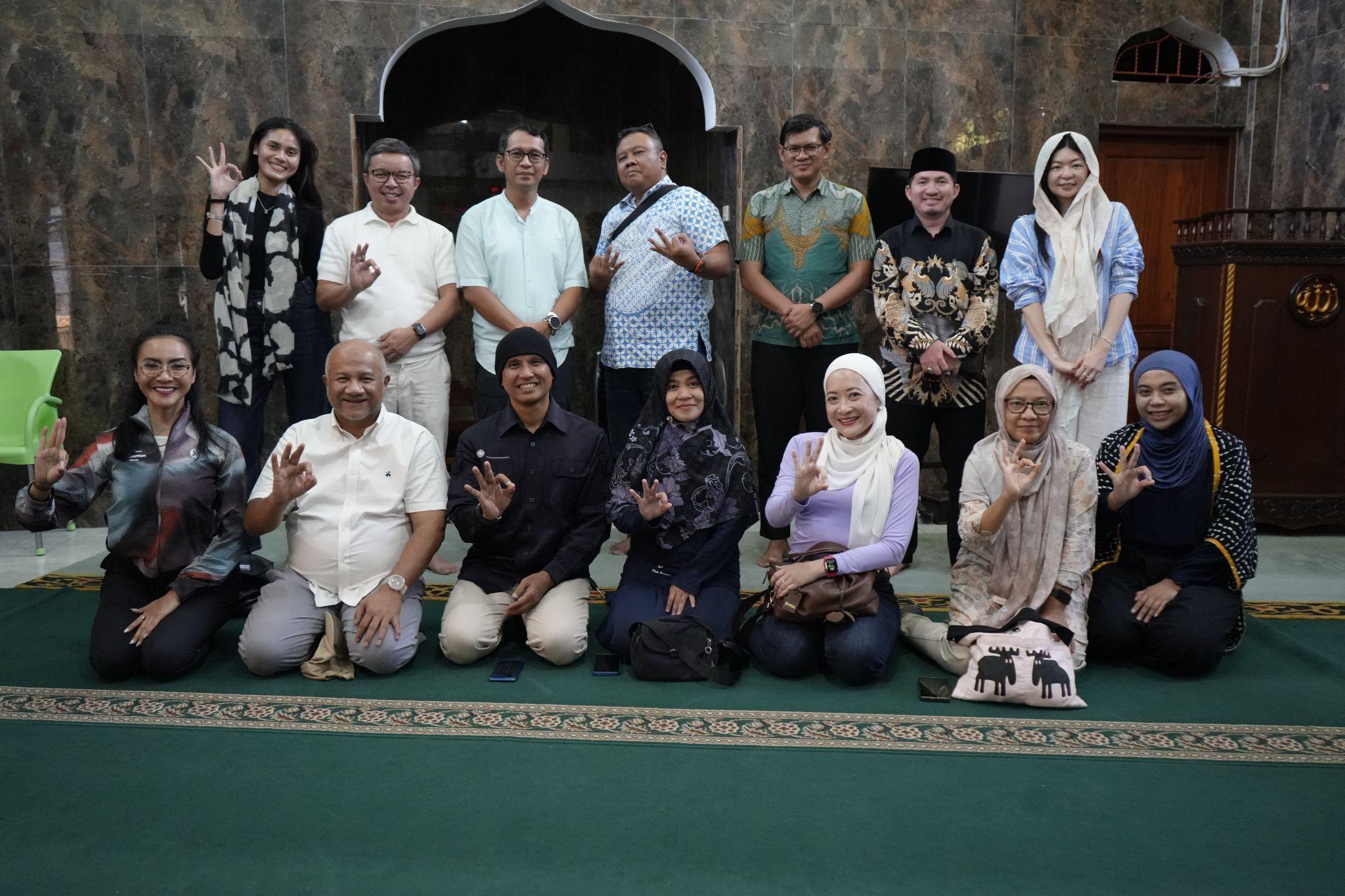
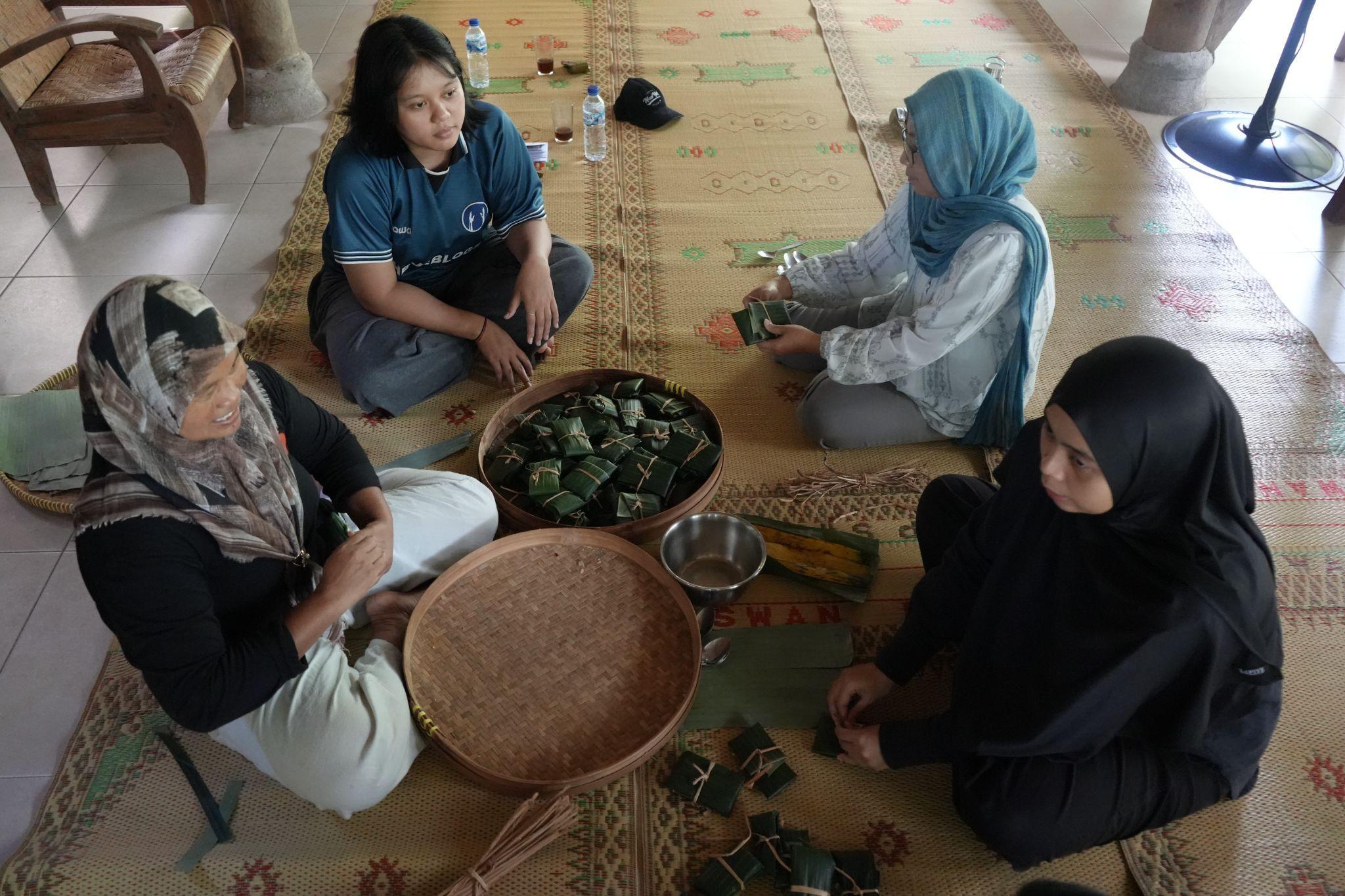
Through the Waste Alms (Sedekah Sampah) initiative, he demonstrates that caring for the environment is an act of worship. Materials once considered worthless are transformed into resources that fund education for orphaned children, provide assistance to vulnerable families, and support community healthcare services. At the same time, the initiative creates equal opportunities for people from all social and economic backgrounds to contribute meaningfully to their community.
Under his leadership, the mosque has become far more than a place of prayer—it has evolved into a center for community empowerment and a catalyst for social change. We learned that when religious values are translated into tangible action, people not only understand the importance of caring for the Earth, but also experience its benefits firsthand.
Bumi Langit Institute: Living in Harmony with Nature and the Creator
Our final visit brought us to Bumi Langit Institute, where we spent time with Iskandar Waworuntu, affectionately known as Pak Is. On the hillsides of Imogiri, he has built far more than a regenerative farm—he has cultivated a philosophy of how people can live in harmony with nature.
Through more than two decades of practicing permaculture, Pak Is has shown that the Earth is not something to be conquered, but a companion to be cared for. Every tree planted, every drop of water conserved, and every piece of waste returned to the ecosystem reflects an act of stewardship, worship, and gratitude to the Creator.
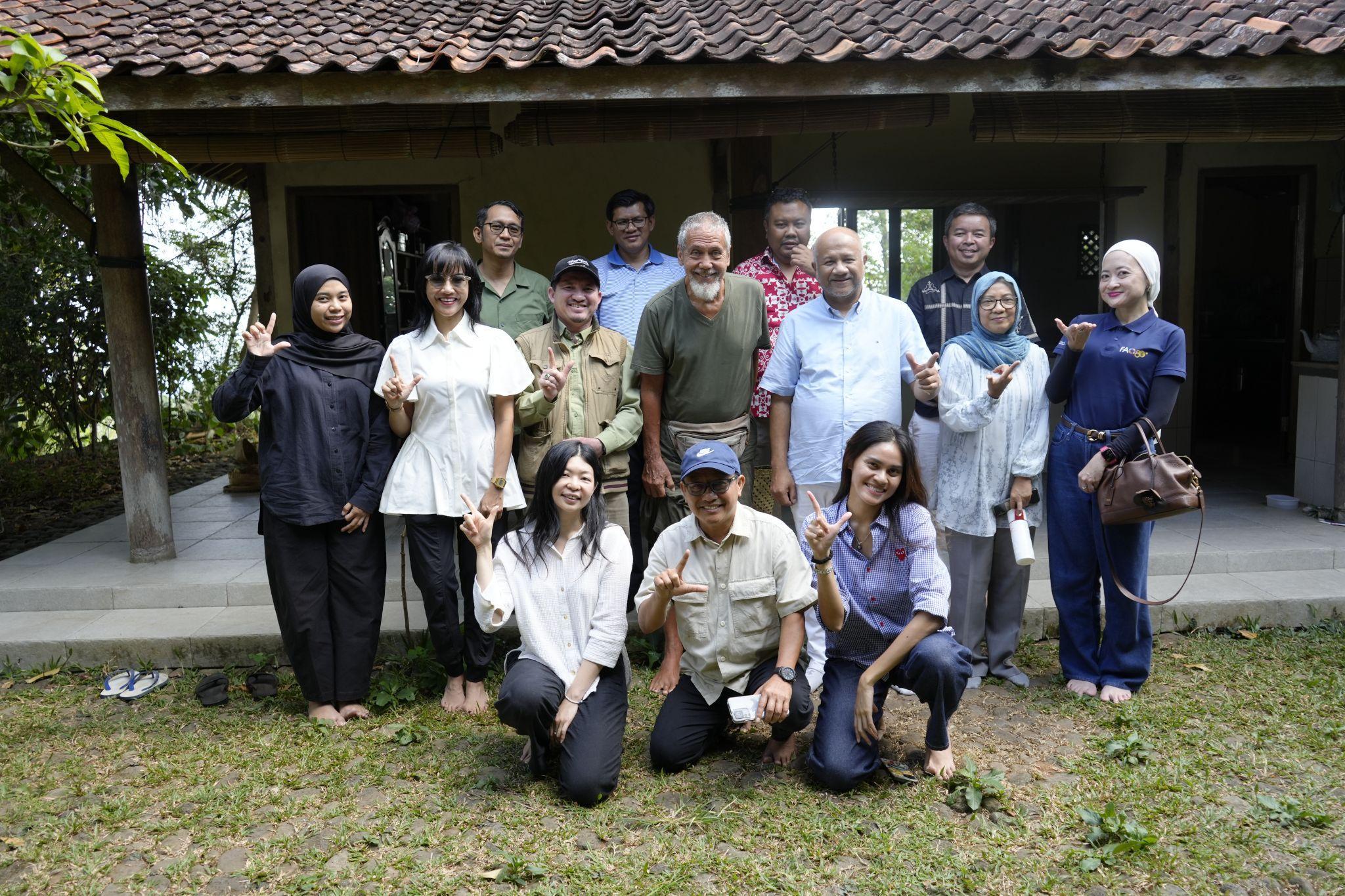
The philosophy that guides his life is remarkably simple, yet profoundly meaningful: theology provides purpose, ecology sustains balance, and economy ensures sufficiency without excess. At Bumi Langit, we witnessed that sustainability is not merely about producing organic food—it is about restoring a harmonious relationship between people, nature, and the Creator.
The Common Thread
Although these three initiatives emerged from different contexts, we found a common thread running through all of them. Each began by responding to the real challenges faced by the communities they serve. They built trust before building programs, cultivated relationships before building organizations, and created tangible value before inviting people into conversations about broader change.
They were also unafraid to experiment, making the most of the knowledge, resources, and opportunities available to them. As a result, the impact they have created has proven both meaningful and enduring over time.
We also came to understand that lasting sustainability rests on three mutually reinforcing foundations. Theology provides purpose and meaning, ecology maintains the balance of nature, and economy ensures that communities benefit so positive change can continue. When these three pillars work together, sustainability is no longer simply a concept—it becomes a way of life.
What Does This Mean for AYANA?
This journey fundamentally reshaped how we see AYANA’s role.
We no longer see AYANA simply as an organization that implements programs. Instead, we increasingly see our strategic role as an ecosystem builder, connector, and orchestrator—identifying changemakers who are already creating impact within their communities, documenting the lessons from their work, connecting them with broader networks, and creating opportunities for collaboration so that proven practices can continue to grow and inspire others.
For us, the challenge is not that Indonesia lacks solutions. The solutions already exist. The real challenge is ensuring that these solutions do not remain isolated, but instead strengthen one another and grow into a collective movement.
What matters even more is creating the conditions that enable more locally rooted changemakers to find their own path. Every meaningful change emerges from a unique context, shaped by different values, cultures, and lived experiences. AYANA’s role is not to determine that path, but to create the space where small, locally rooted efforts can grow into movements that create lasting impact for their communities.
This journey reminded us that the greatest transformations do not always come from the largest organizations. They come from more people choosing to take the first step. When they find one another, learn from one another, and strengthen one another, that is where the future of sustainability begins to take shape.