

How can climate change become more relevant to people’s everyday lives?
This question set the tone for AYANA’s Media Gathering, where journalists, editors, and communication practitioners came together to discuss how climate narratives can better connect with communities across Indonesia.
The discussion was informed by AYANA’s early findings from its values-based segmentation research, which suggest that while many Indonesians are already experiencing the impacts of climate change, they often do not recognise it as a climate issue. Instead, it is understood through everyday concerns such as rising food prices, unpredictable weather, declining harvests, limited access to clean water, and health challenges.
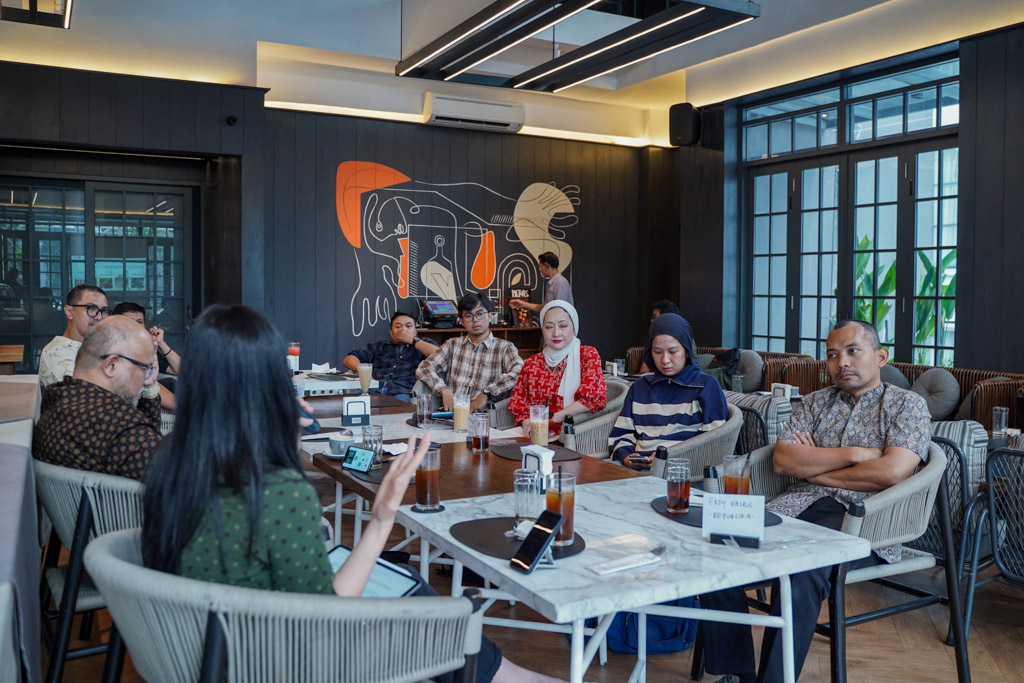
This highlights an important opportunity: climate communication should begin with people’s lived experiences. When climate change is connected to issues that directly affect families, livelihoods, and local communities, it becomes more relatable, meaningful, and actionable.
Throughout the discussion, participants shared valuable perspectives on how climate narratives can inspire broader public engagement. Several key themes emerged:
Climate narratives should begin with everyday life
People are more likely to engage with climate issues when they are framed around the realities they experience every day rather than abstract environmental concepts.

Trusted voices inspire action
Religious leaders, community leaders, educators, and local organisations play an important role in translating climate issues into messages that communities trust and act upon.

Local culture strengthens climate communication
Local wisdom, cultural traditions, and community experiences provide powerful entry points for communicating climate issues in ways that resonate across different regions and audiences.
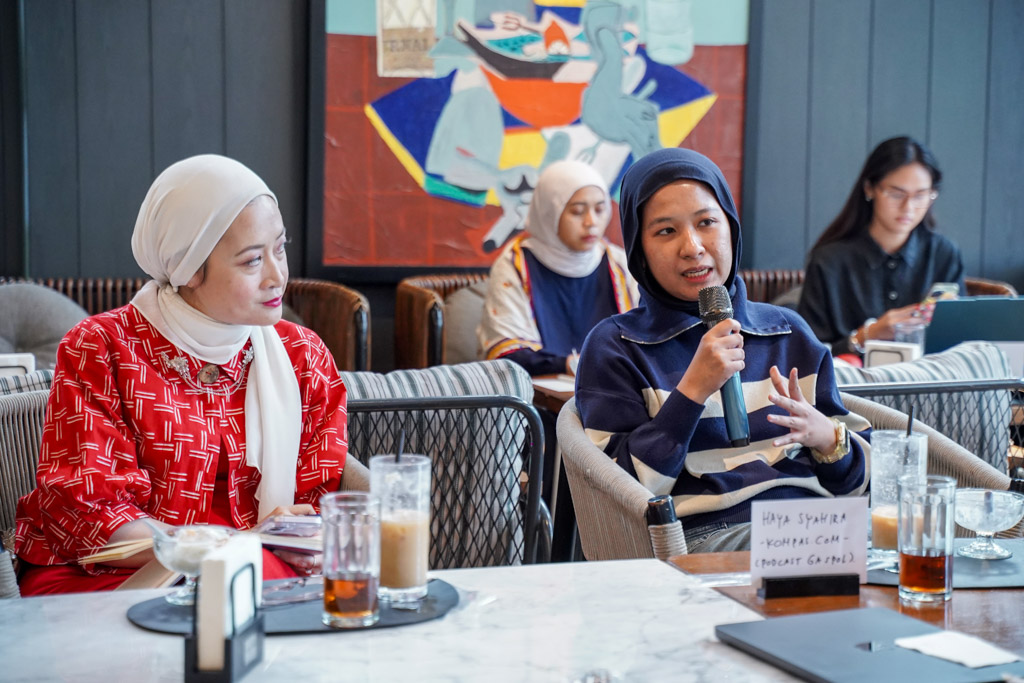
Simplicity creates stronger engagement
Clear, accessible language is essential. Climate communication is most effective when it avoids technical jargon and speaks to people’s daily experiences and aspirations.
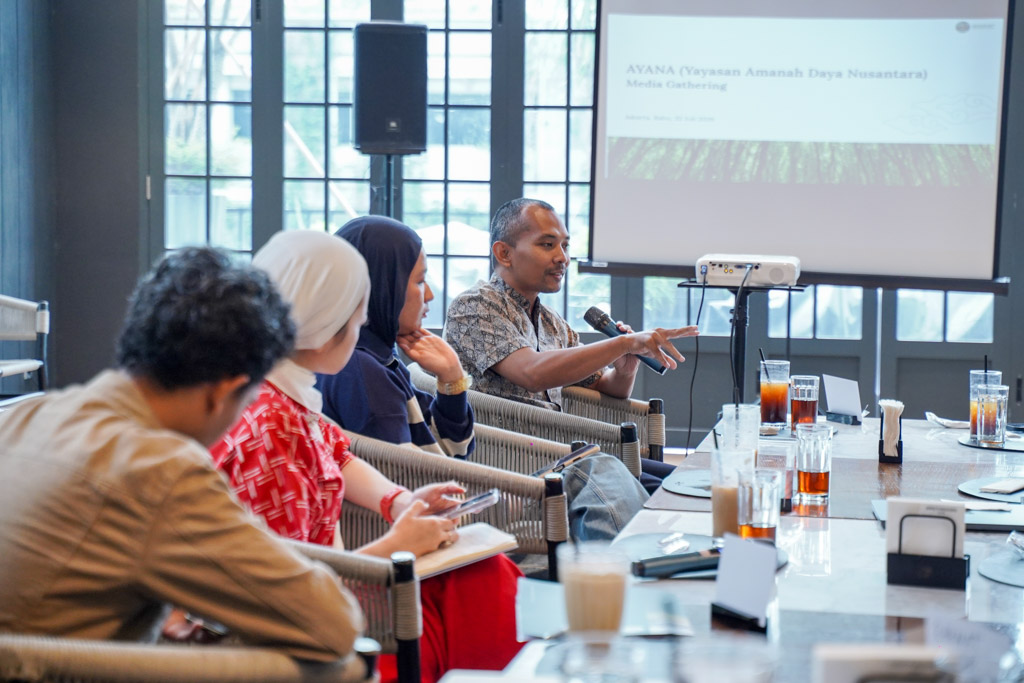
The Media Gathering reaffirmed that effective climate communication is not only about sharing scientific information, but also about understanding people’s values, concerns, and lived realities. Building narratives that are grounded in trust, local context, and everyday experiences will be essential for encouraging meaningful climate action.