

Interfaith collaboration on environmental issues has long remained at the level of dialogue—important, but not yet sufficient to drive meaningful change. This gap between conversation and action became a key focus of the Focus Group Discussion (FGD) organized by Yayasan Amanah Daya Nusantara (AYANA) in collaboration with the Indonesian Buddhist Council (Perwakilan Umat Buddha Indonesia – WALUBI) on 1 April 2026 in Central Jakarta. As noted by community representatives, “Interfaith collaboration has mostly taken the form of dialogue… climate action has started to emerge, but is still not optimal,” highlighting the urgency of shifting toward more concrete and impactful collective action.
The discussion showed that a wide range of grassroots initiatives have already emerged, including eco-vihara, waste management, eco-enzyme practices, reforestation, and the promotion of vegetarian lifestyles. These efforts reflect core Buddhist values such as compassion (karuna), interdependence, and mindfulness. However, most initiatives remain fragmented and heavily dependent on individual or community-driven efforts, limiting their broader and long-term impact.
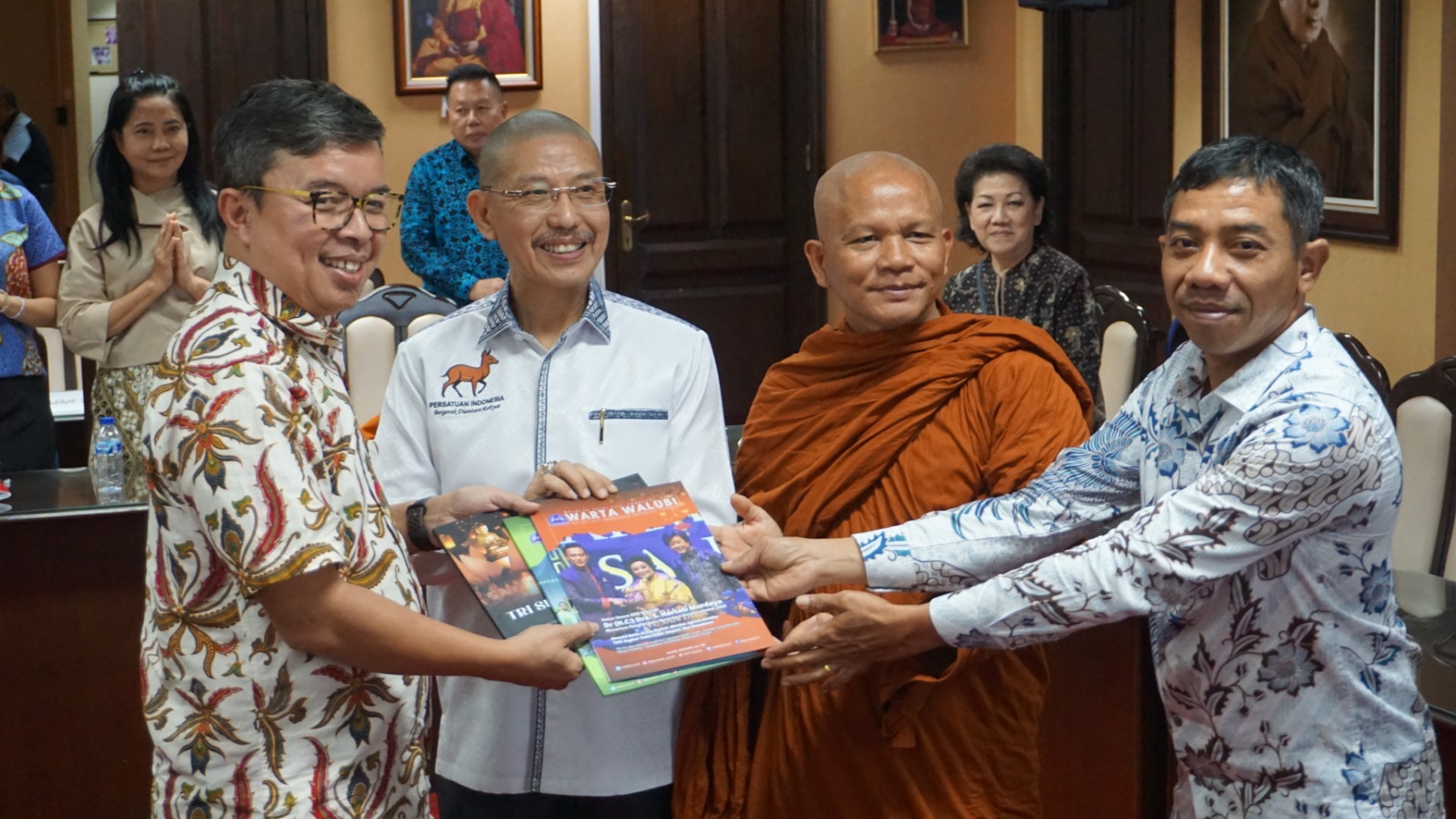
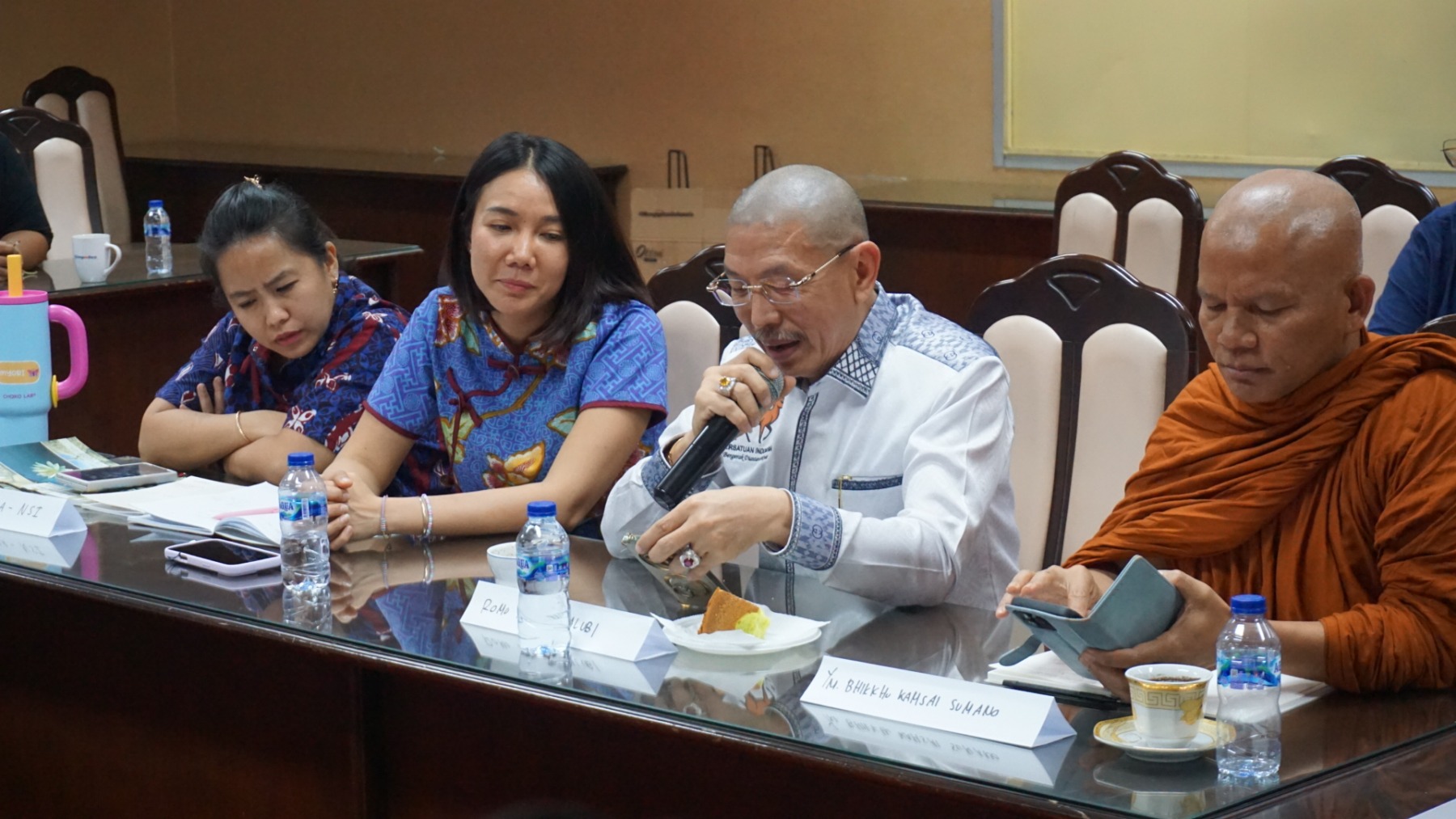
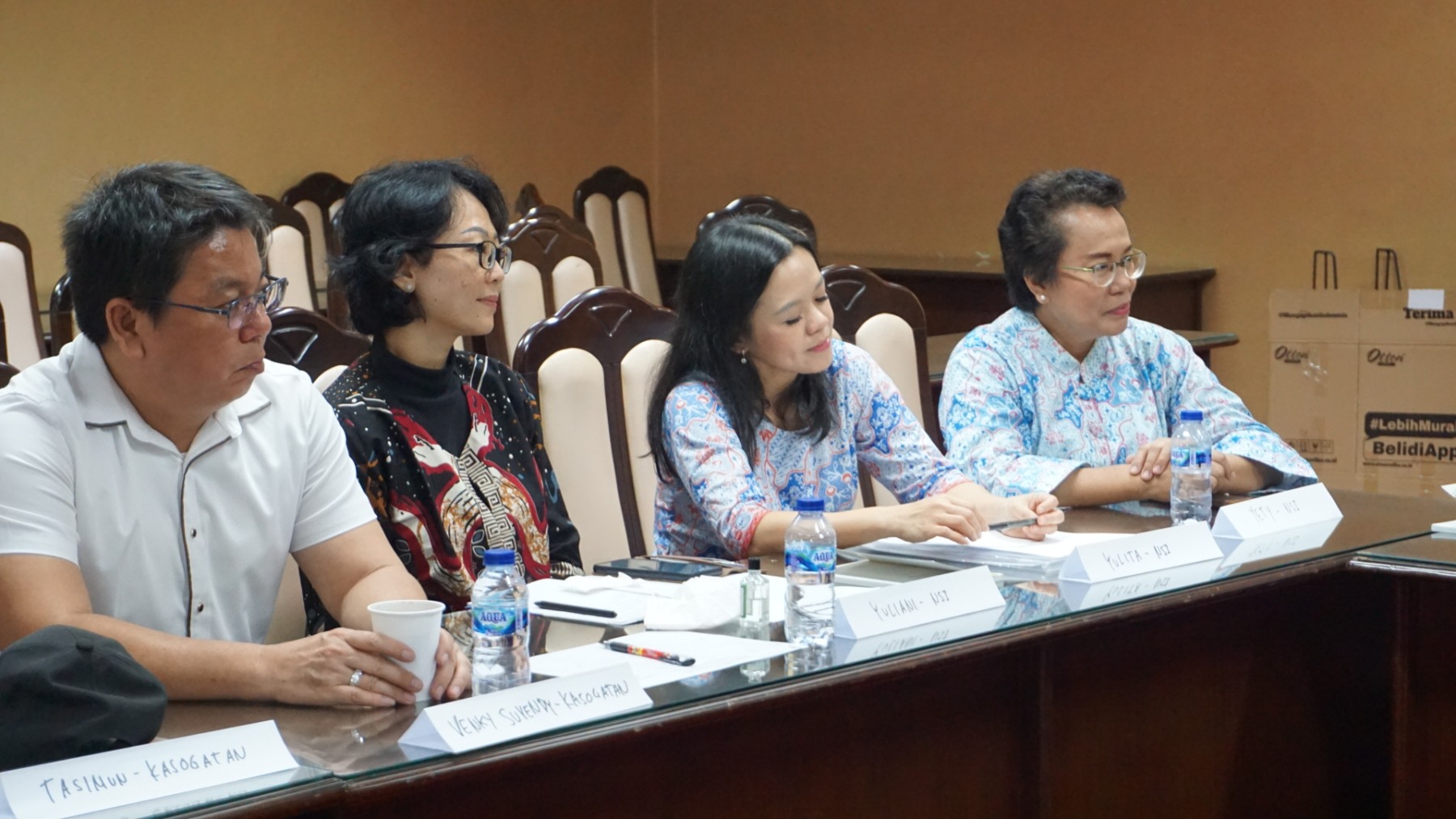
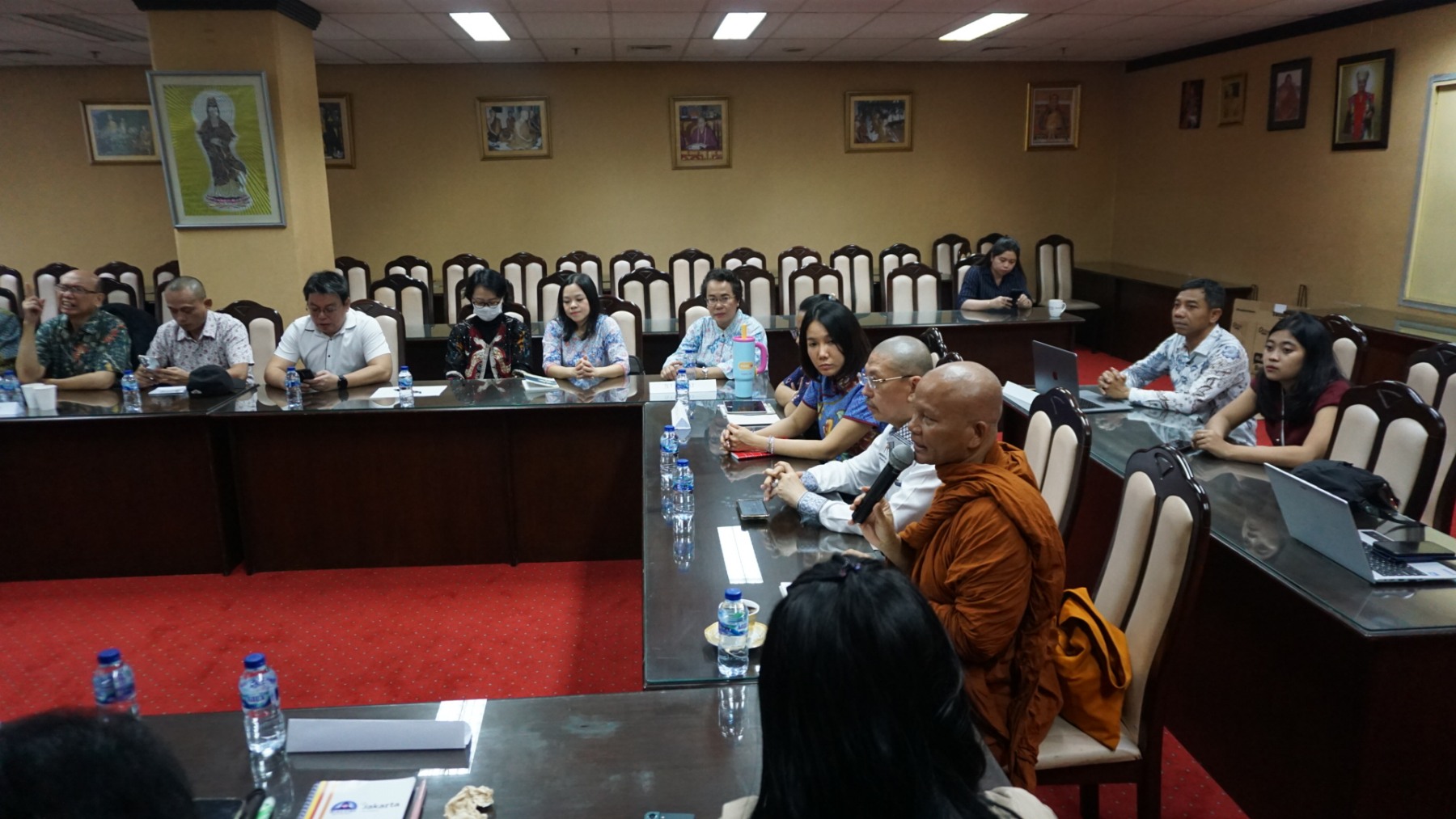
Several key challenges were identified, including limited policy support, low environmental literacy and behavioral consistency, generational gaps in education approaches, and weak coordination among stakeholders. In addition, participants from Kasogatan and NSI emphasized the need for stronger collaboration with government and external actors, as interfaith efforts alone are not sufficient to drive systemic change. As highlighted in the discussion, “Government regulation is essential,” along with the need for “collaboration with the Ministry of Environment for environmental action.” At the same time, significant opportunities lie in strengthening action-oriented interfaith collaboration, leveraging shared religious values, and advancing socio-ecological approaches that link environmental action with tangible economic benefits for communities.
The FGD underscored the importance of moving beyond dialogue toward structured, practical, and sustainable collective action. Strengthening the role of religious leaders as agents of change, building cross-sector partnerships, and advancing policy advocacy will be key moving forward. With a more integrated approach, faith communities are well positioned to play a leading role in building a broader and more impactful ecosystem for climate action.