

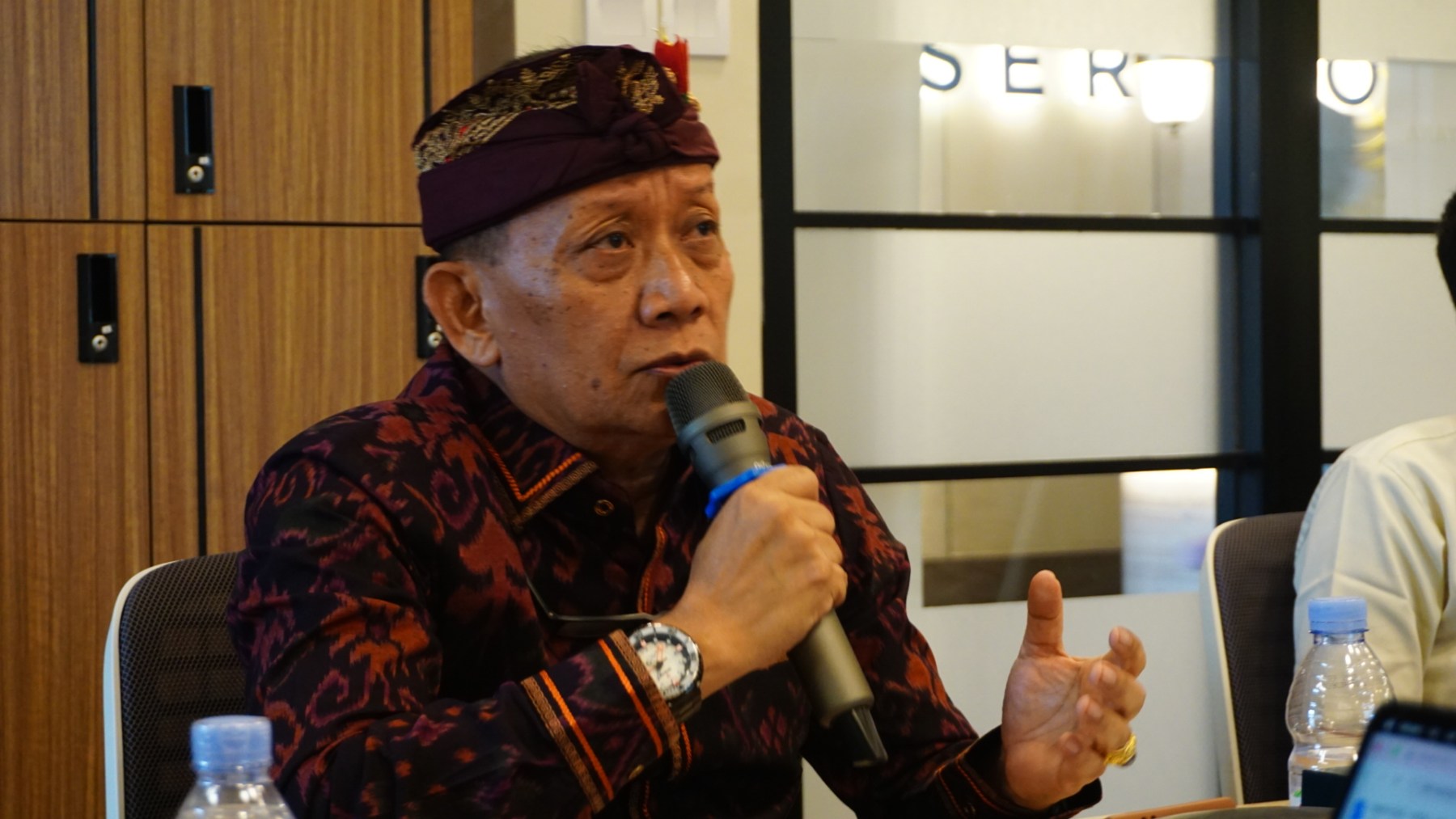
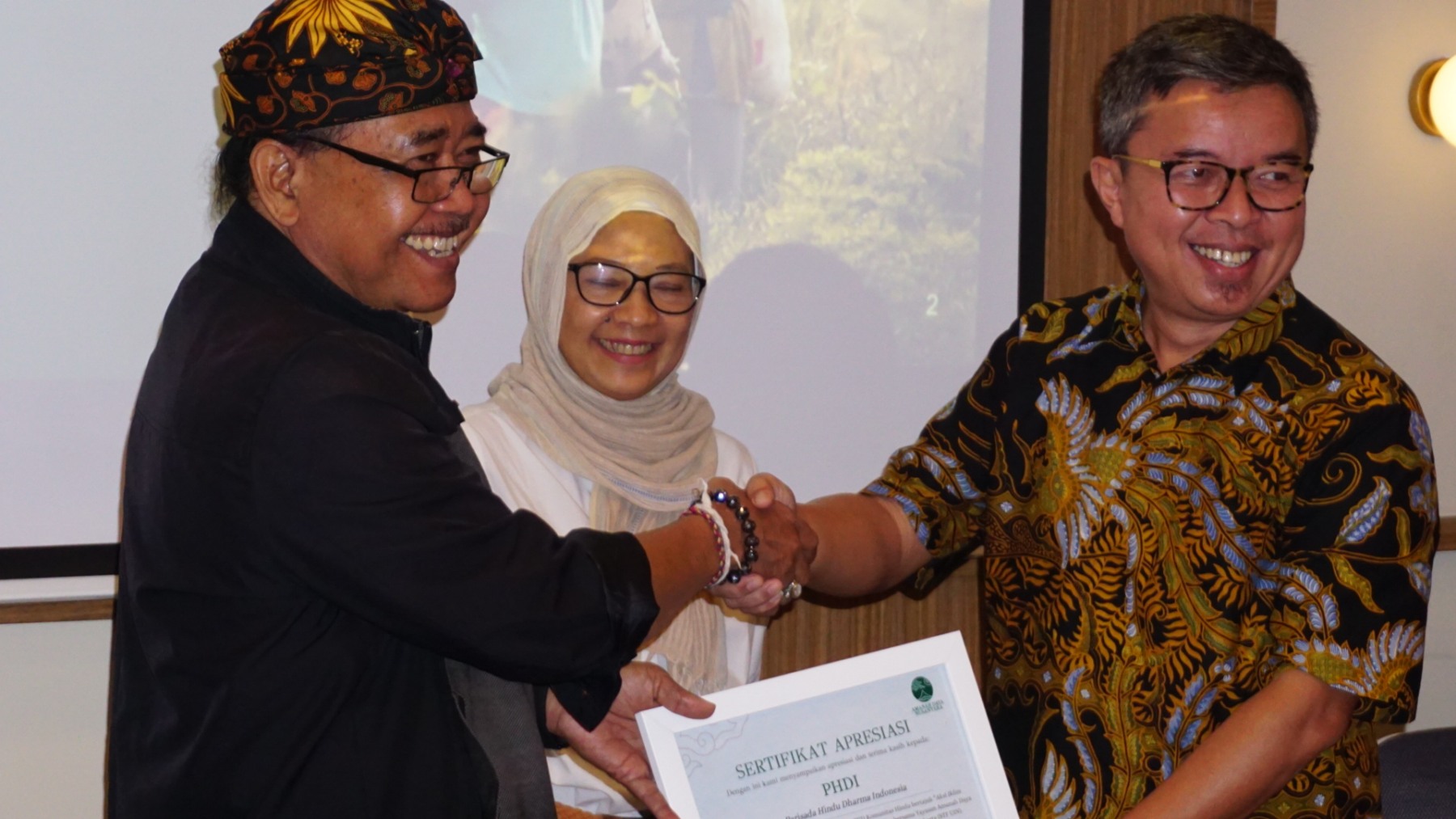
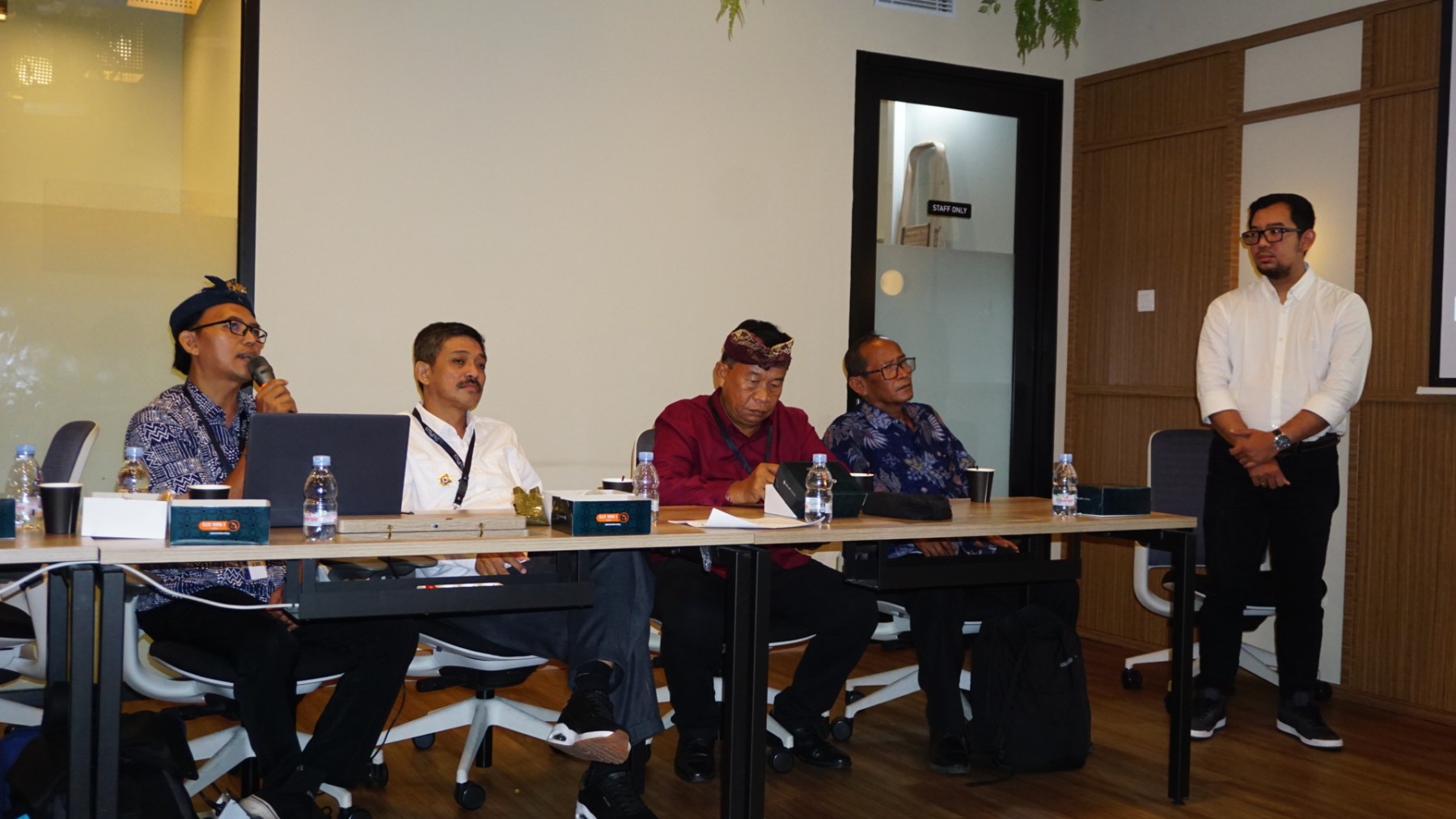
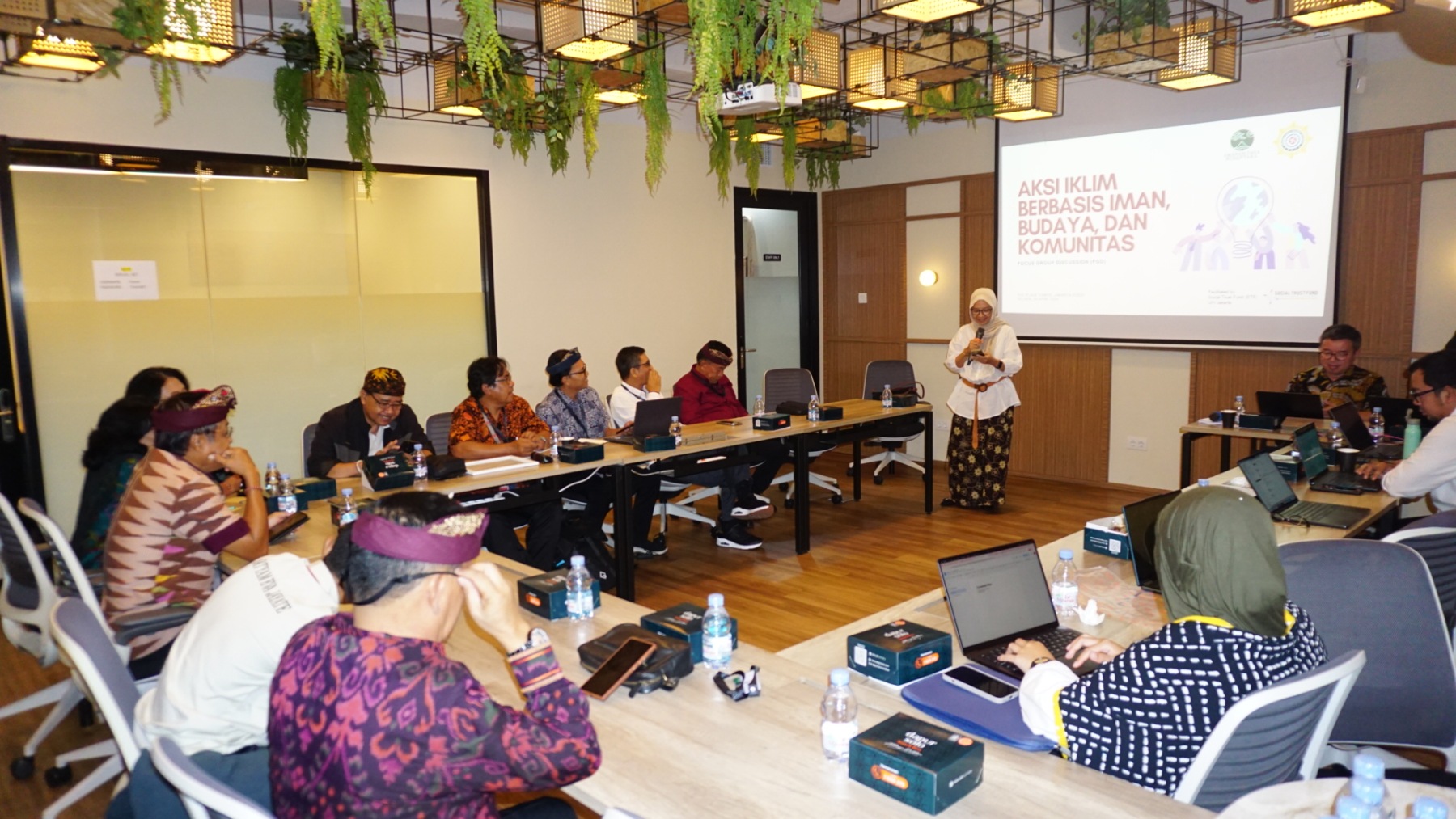
Climate change has become a real issue affecting communities across Indonesia, ranging from environmental degradation to increasing social vulnerability. In this context, faith-based communities are taking a more active role in raising ecological awareness and encouraging concrete actions to protect the earth. This was reflected in the Focus Group Discussion (FGD) with Parisada Hindu Dharma Indonesia (PHDI) on April 28, which brought together religious leaders, academics, civil society organizations, and environmental communities to discuss the role of Hindu values in climate action in Indonesia.
In Hindu teachings, the relationship between humans and nature is seen as deeply interconnected through the concept of Tri Hita Karana, which emphasizes harmony between humans and God, fellow humans, and the environment. These values are reflected in various practices such as mangrove planting, eco-enzyme production, organic waste management, and greening initiatives around temples and Hindu educational institutions. Environmental education is also being introduced from an early age through Pasaraman and Hindu youth communities to encourage more sustainable lifestyles.
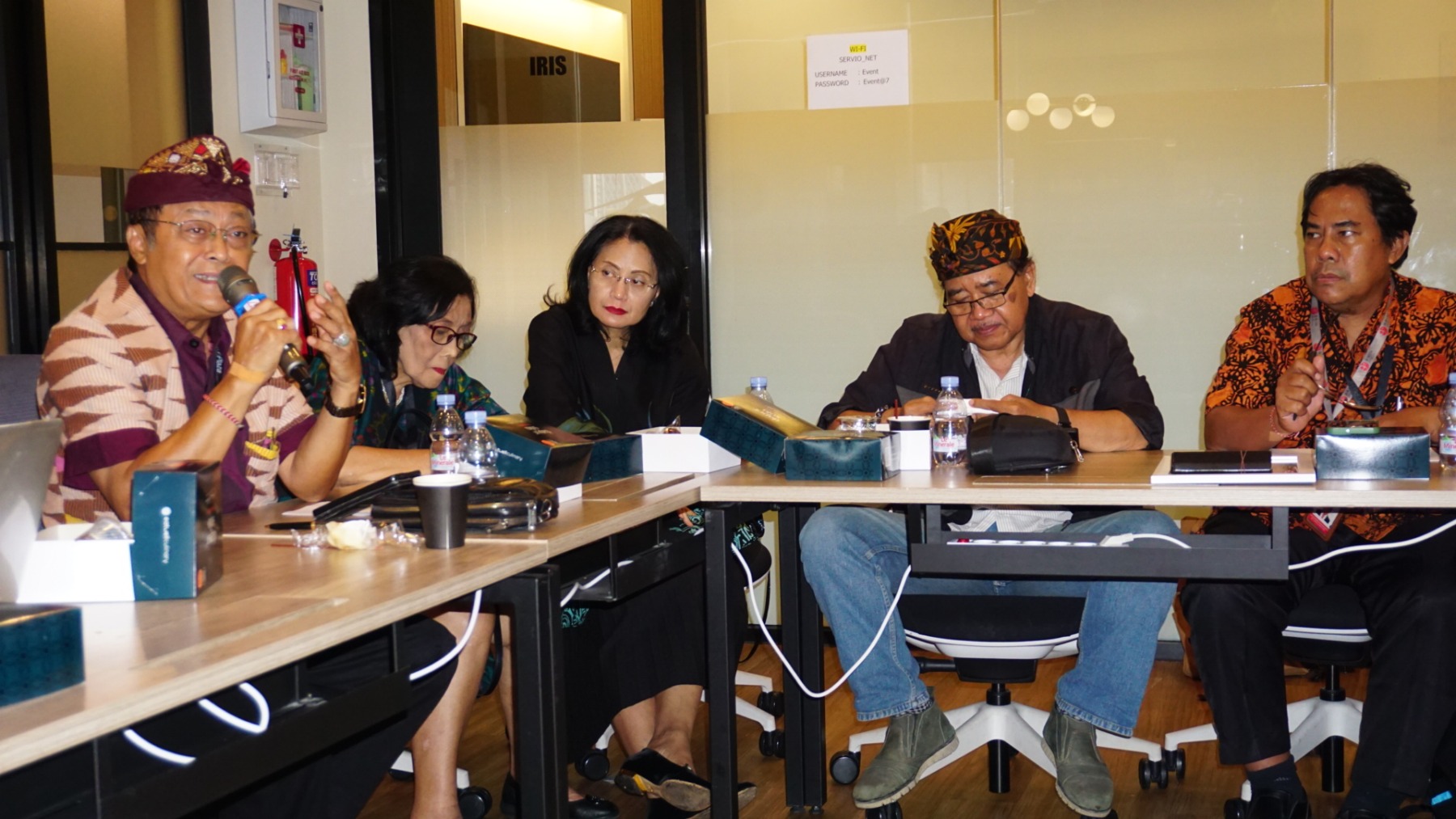
The environmental movement within Hindu communities has also expanded through interfaith and cross-sector collaboration. PHDI works together with organizations such as Muhammadiyah, PGI, KWI, PERMABUDHI, MATAKIN, as well as international networks like GreenFaith and the Interfaith Rainforest Initiative (IRI). However, FGD participants highlighted the lack of government regulatory support for community-based environmental movements, including bureaucratic and licensing challenges that often hinder local initiatives.
Through this forum, participants emphasized the importance of collective action to strengthen climate initiatives in Indonesia, including ecological education for young people, the development of green open spaces, and the integration of local wisdom into environmental policies. The FGD demonstrated that faith-based environmental movements hold significant potential to create more sustainable social change and strengthen collaboration in protecting the planet together.