

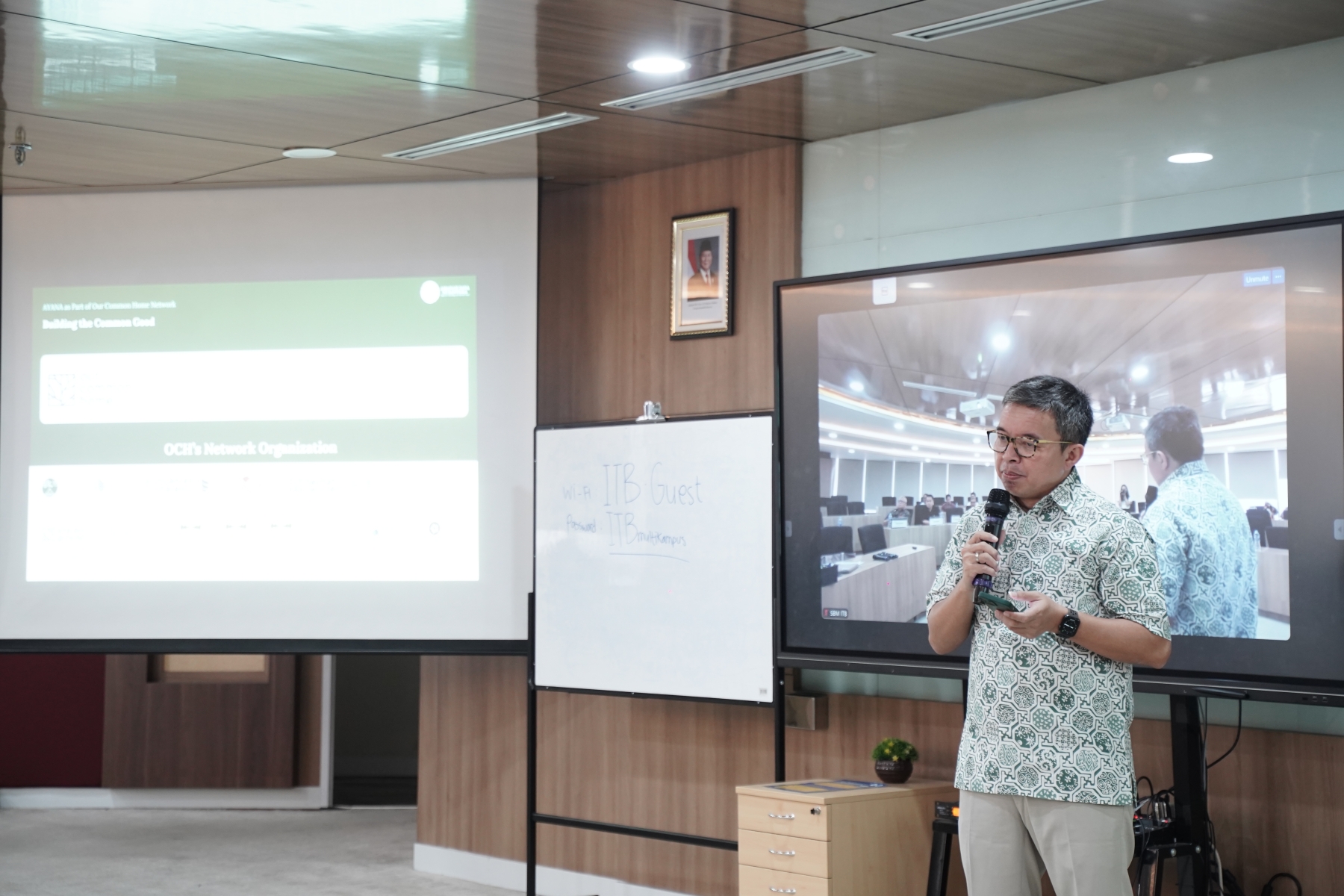
On 11 June 2026, Yayasan Amanah Daya Nusantara (AYANA), in collaboration with the School of Business and Management, Institut Teknologi Bandung (SBM ITB), convened a Focus Group Discussion (FGD) titled “Identifying Strategic Opportunities in Indonesia’s Agricultural Ecosystem.” The discussion brought together 24 institutional leaders representing Indonesia’s agricultural ecosystem, including the rice, palm oil, rubber, cocoa, and coffee sectors, as well as research institutions, civil society organizations, development partners, and the private sector. The FGD aimed to take stock of the key challenges facing Indonesia’s agricultural sector, prioritize strategic areas for intervention, and identify opportunities for stronger cross-sector collaboration.
The discussion highlighted that Indonesia’s agricultural crisis is not merely a technical challenge, but a structural one, with climate change acting as an economic stress multiplier. Unpredictable harvests, rising land rental costs, limited access to finance, and weak farmer institutions continue to increase the economic vulnerability of rural communities. At the same time, many existing initiatives remain fragmented and have yet to adequately address the real needs of farming communities or strengthen locally rooted leadership.
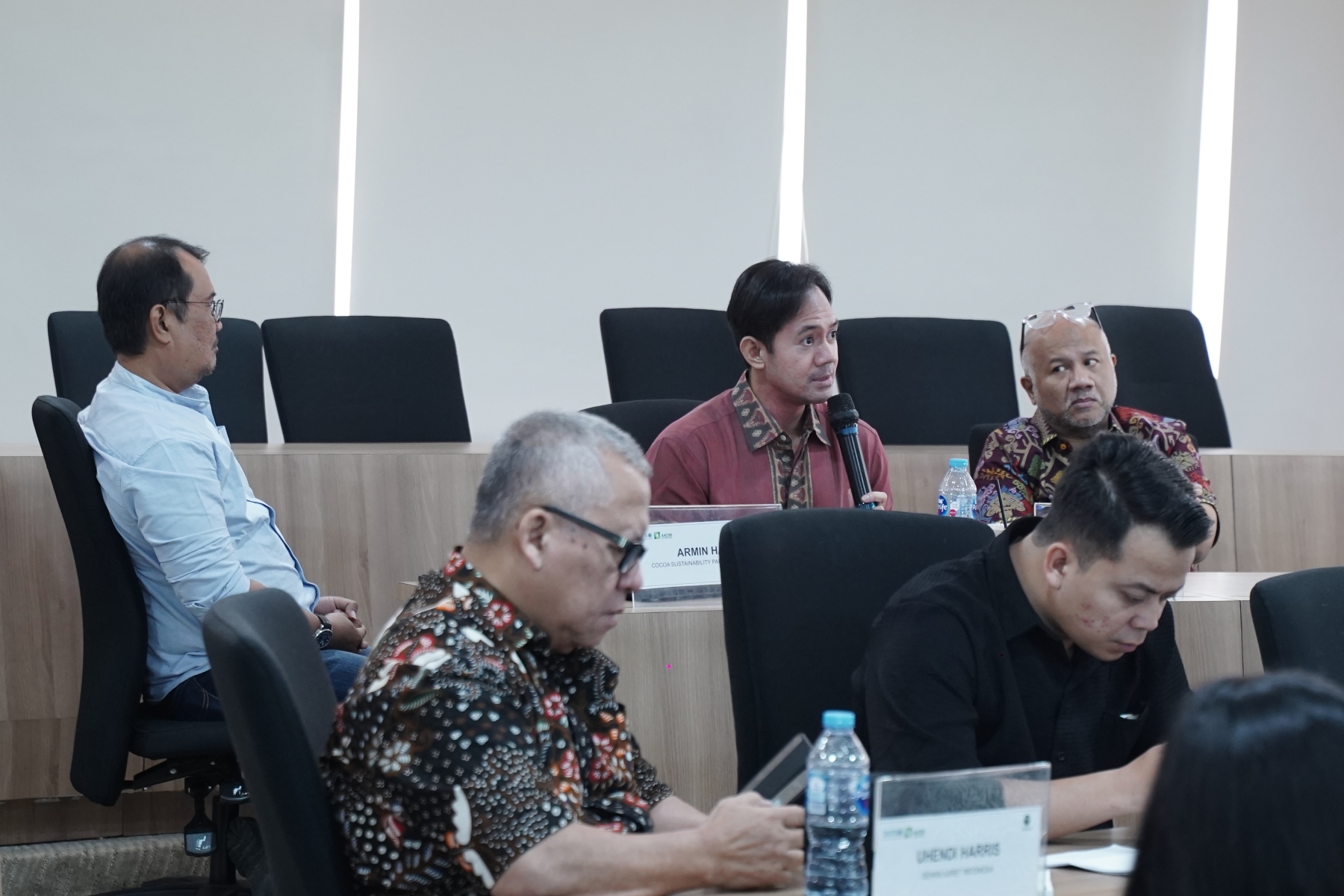
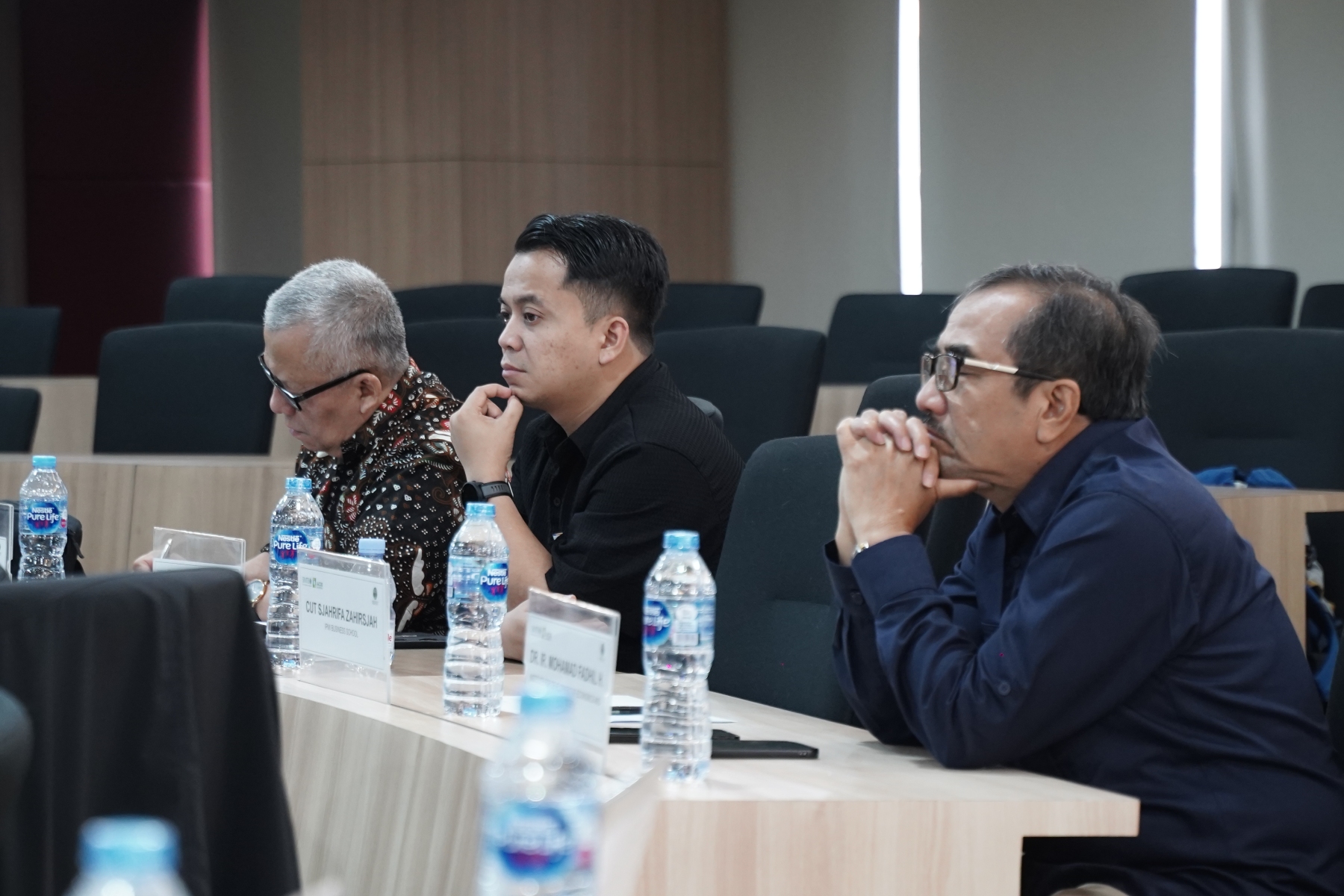
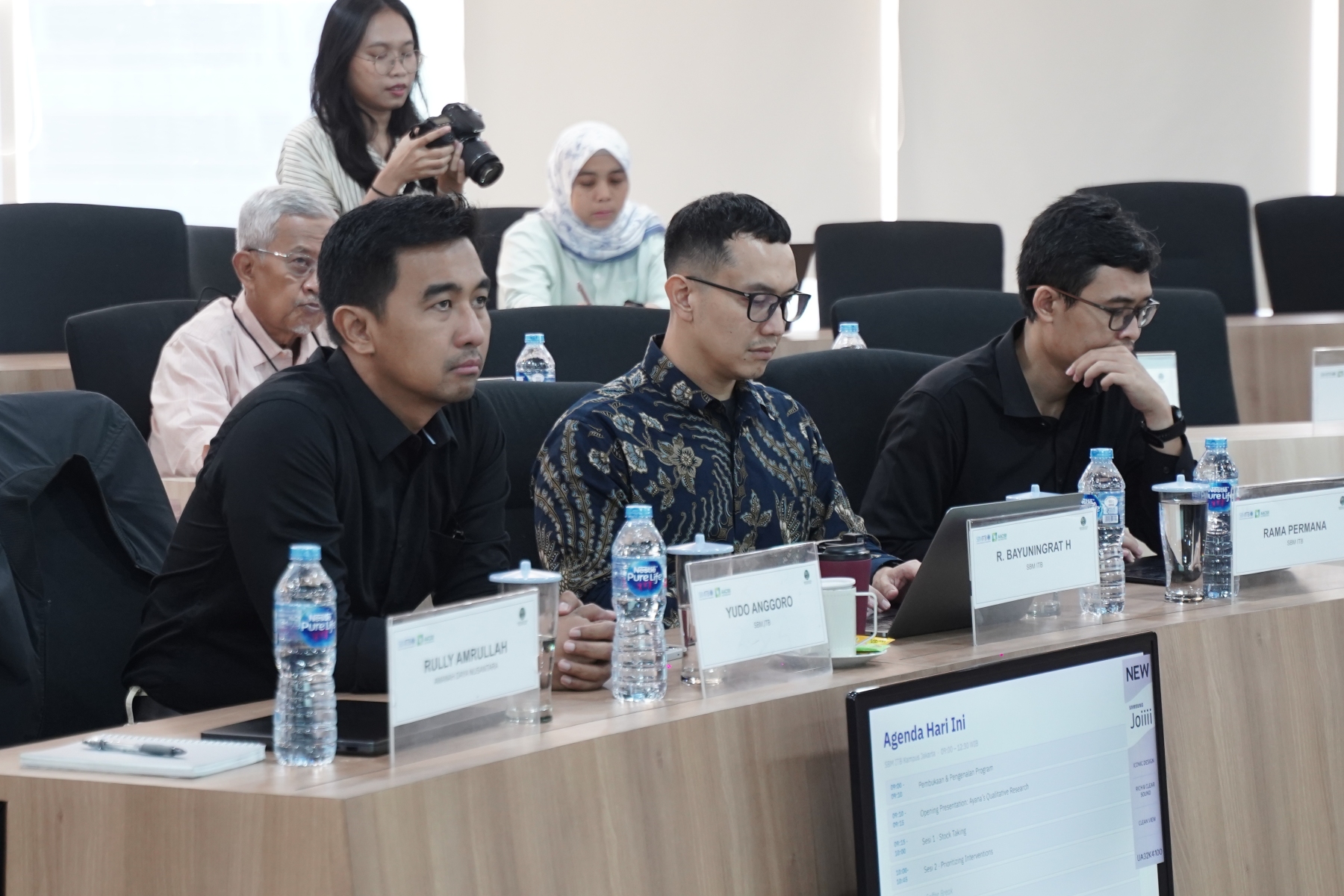
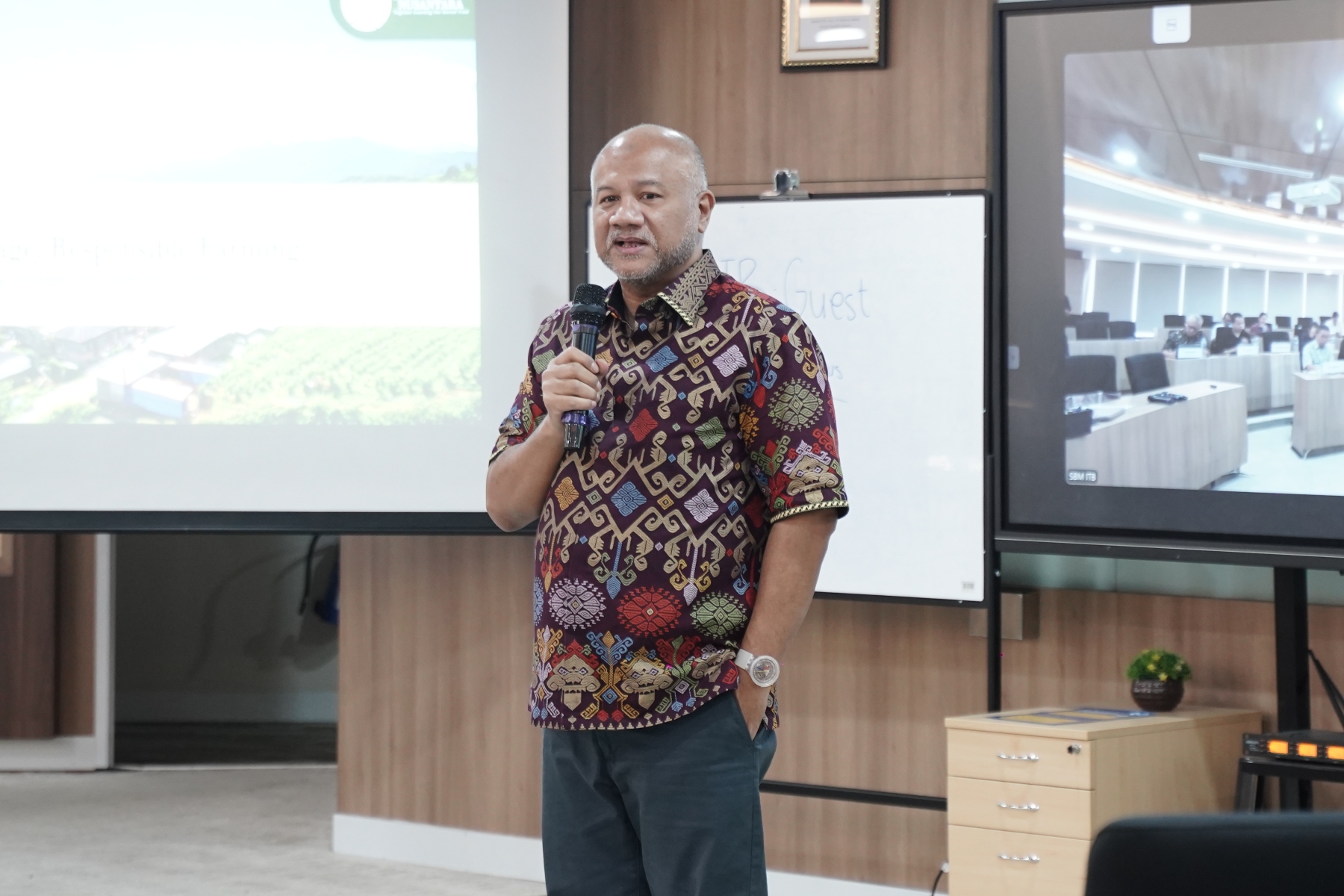
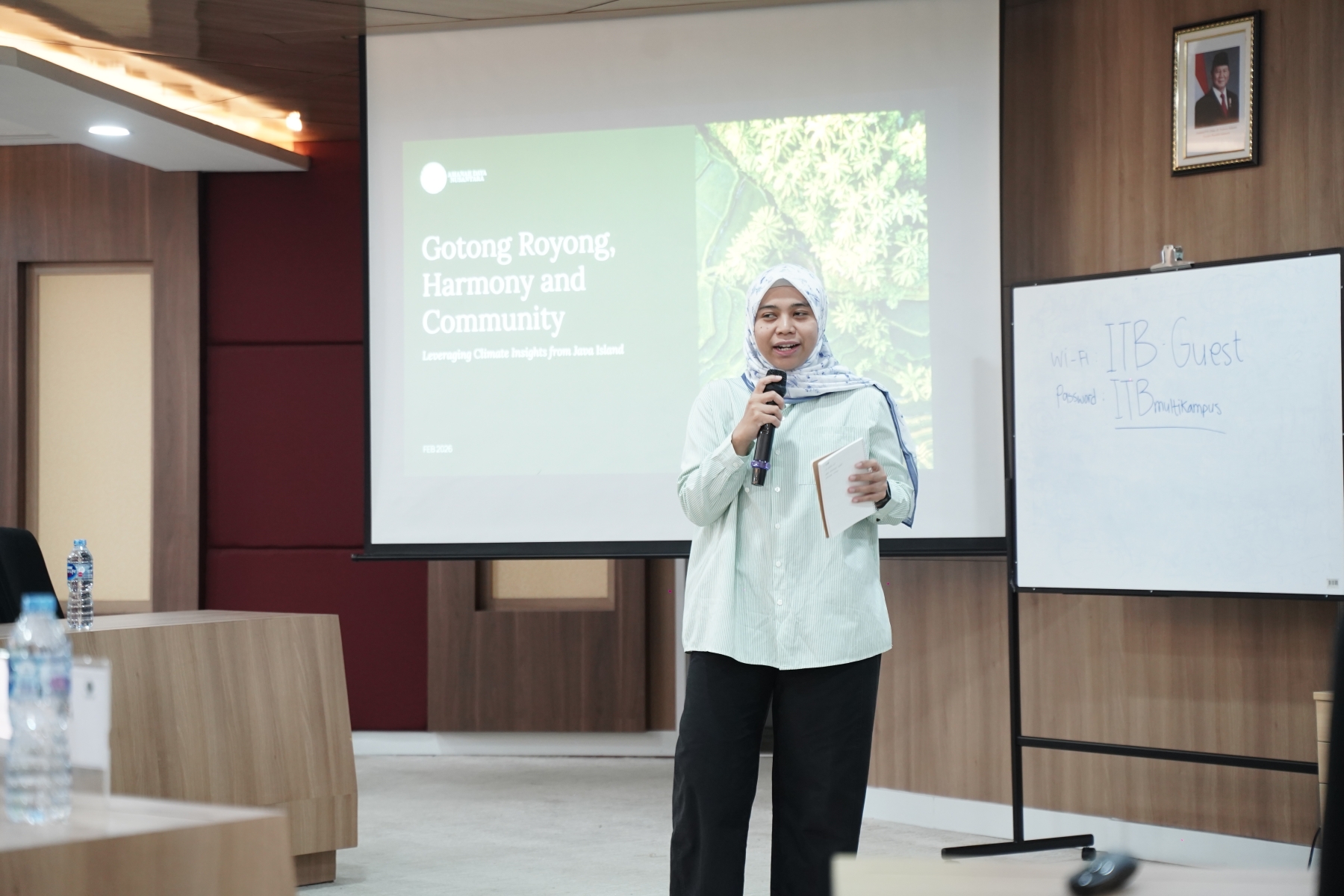
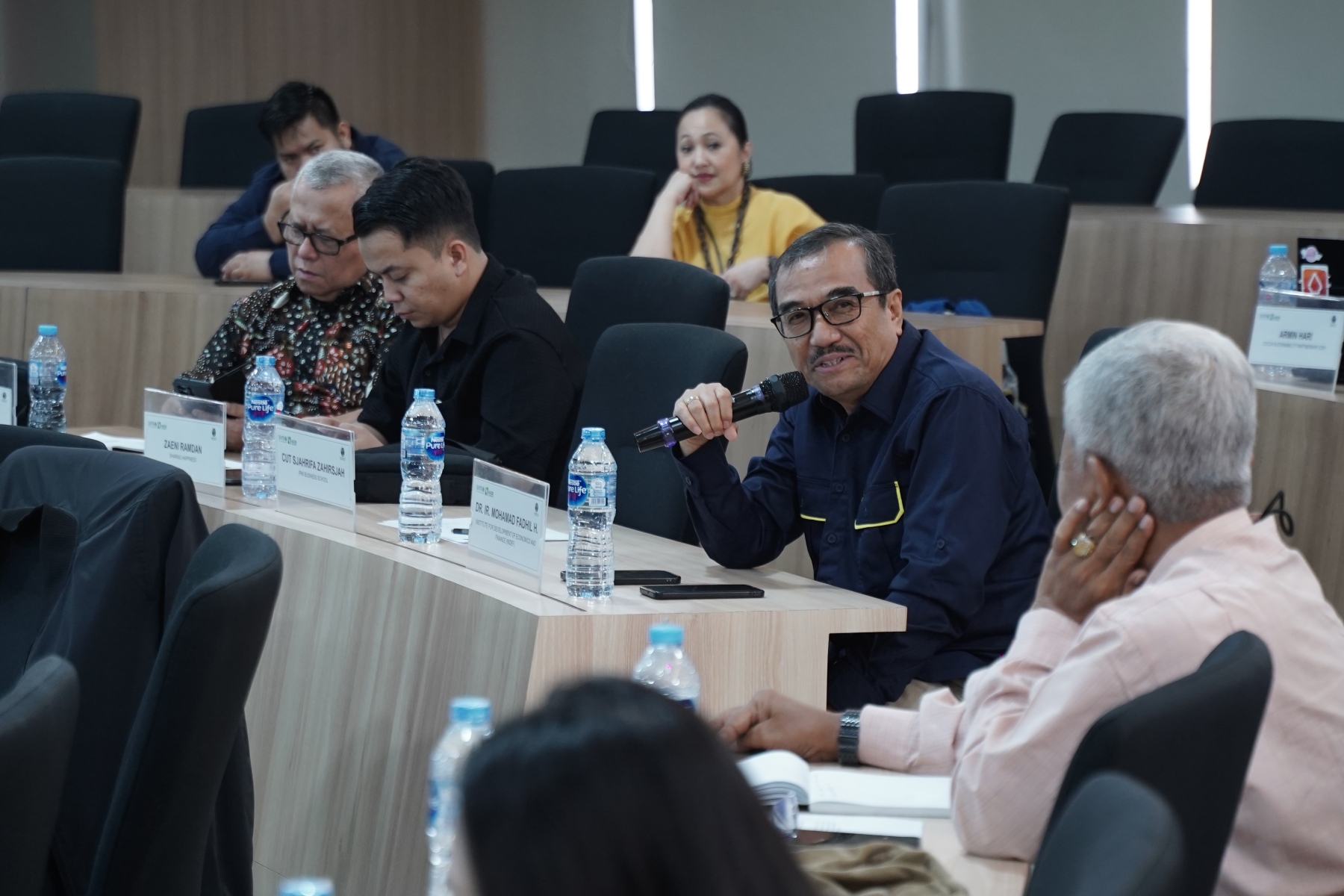
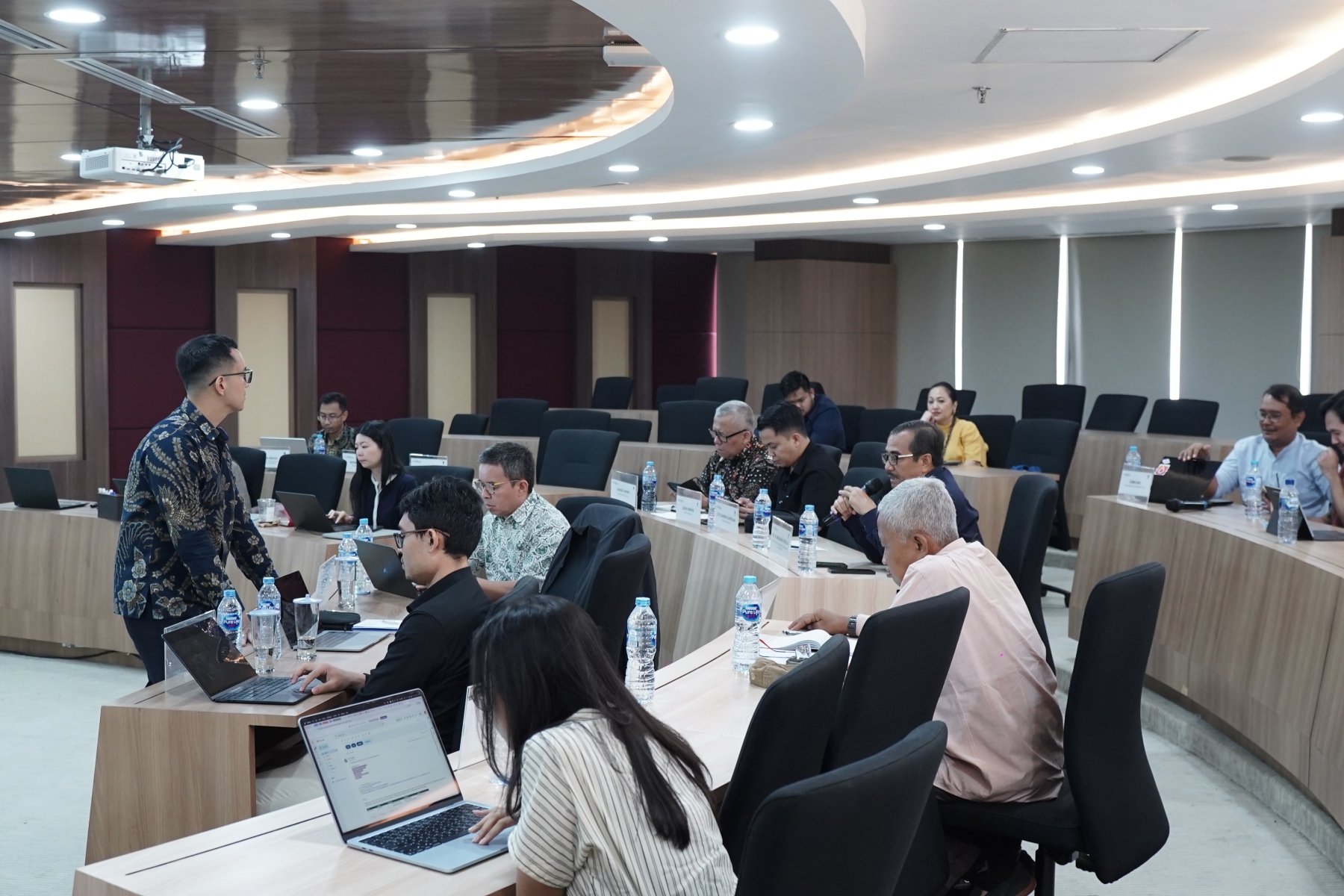
Although each commodity faces distinct challenges, participants agreed that they share many underlying structural issues. Representatives from the rice sector emphasized the need to strengthen pest and disease management while revitalizing climate adaptation programs at the farmer level. The palm oil sector highlighted the persistent productivity gap between independent smallholders and corporate plantations, as well as the importance of strengthening farmer organizations, improving financial literacy, and expanding certification. Representatives from the rubber sector underscored the growing impacts of climate change on productivity, the lack of support for plantation replanting, and the need for stronger financing mechanisms. Meanwhile, the cocoa sector raised concerns over declining productivity caused by limited access to improved planting materials, extension services, research, and financing for smallholder farmers.
Beyond commodity-specific issues, participants reached a strong consensus on several cross-cutting priorities: strengthening farmer institutions, revitalizing agricultural research and extension services, expanding access to finance, encouraging the next generation of young farmers, and improving readiness to comply with emerging regulations such as the European Union Deforestation Regulation (EUDR). Participants agreed that meaningful transformation of Indonesia’s agricultural sector requires an approach that places farmers at the center of development, supported by cross-sector collaboration and grounded in the values of amanah (stewardship and responsibility) and gotong royong (mutual cooperation) as the foundation for trust and collective action.
The insights generated through the FGD will inform the development of AYANA’s Empowering Villages, Responsible Farming (Desa Berdaya, Tani Amanah) initiative, while also producing a shared roadmap that identifies priority interventions, collaboration opportunities, and short-term quick wins. Ultimately, the discussion reaffirmed that transforming Indonesia’s agricultural ecosystem will require coordinated collective action capable of strengthening farmer livelihoods, enhancing national food security, and ensuring the long-term sustainability and resilience of the agricultural sector.