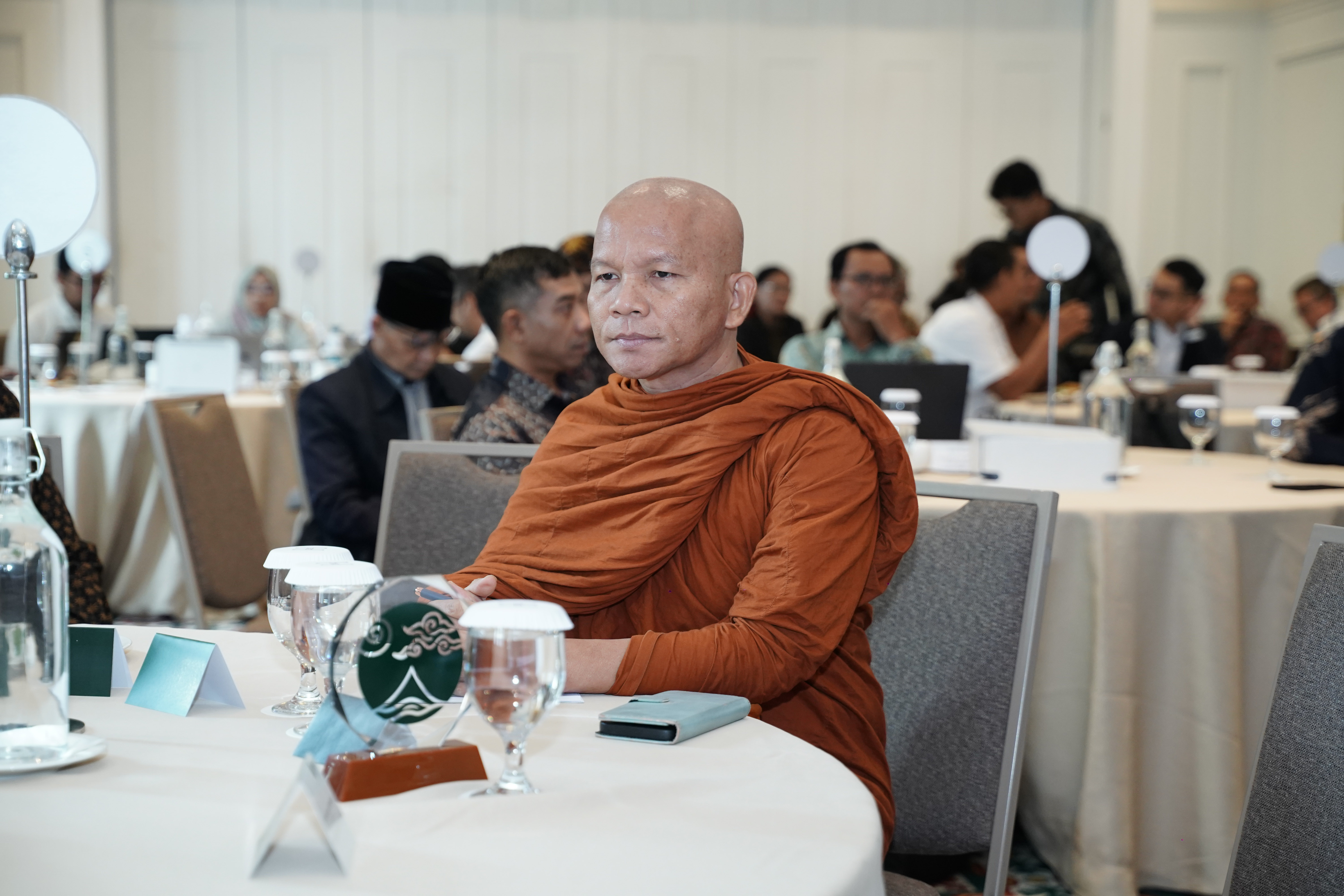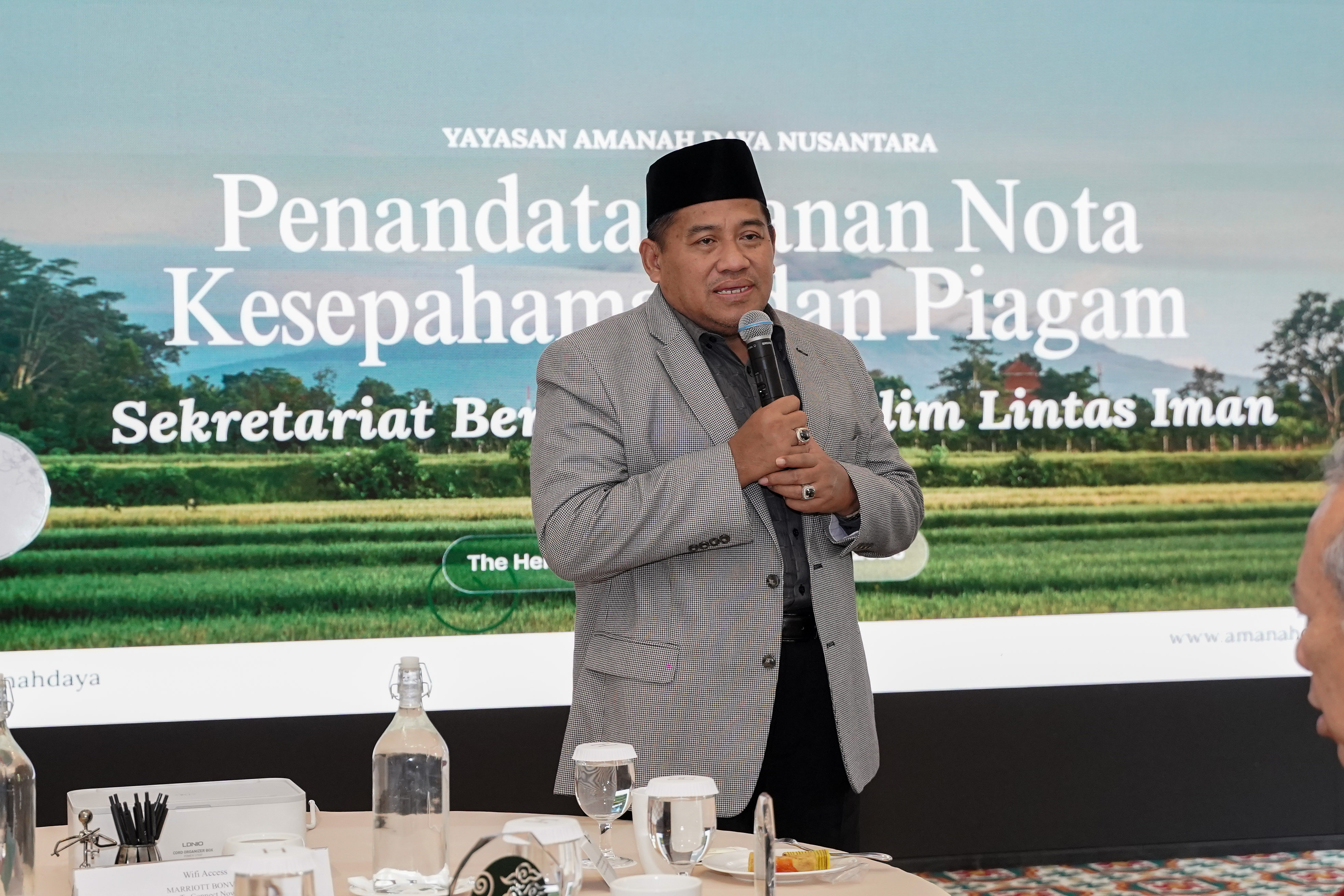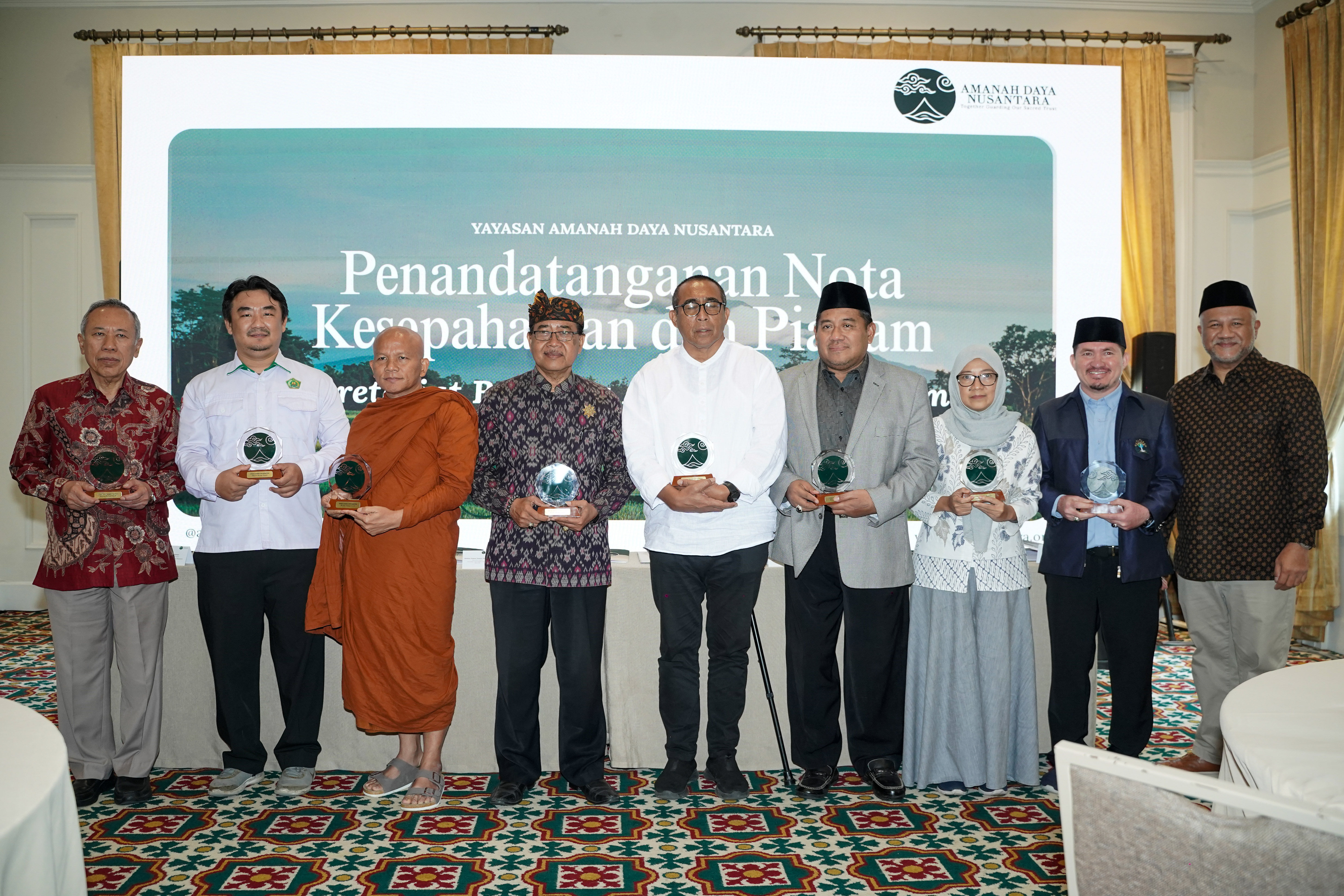
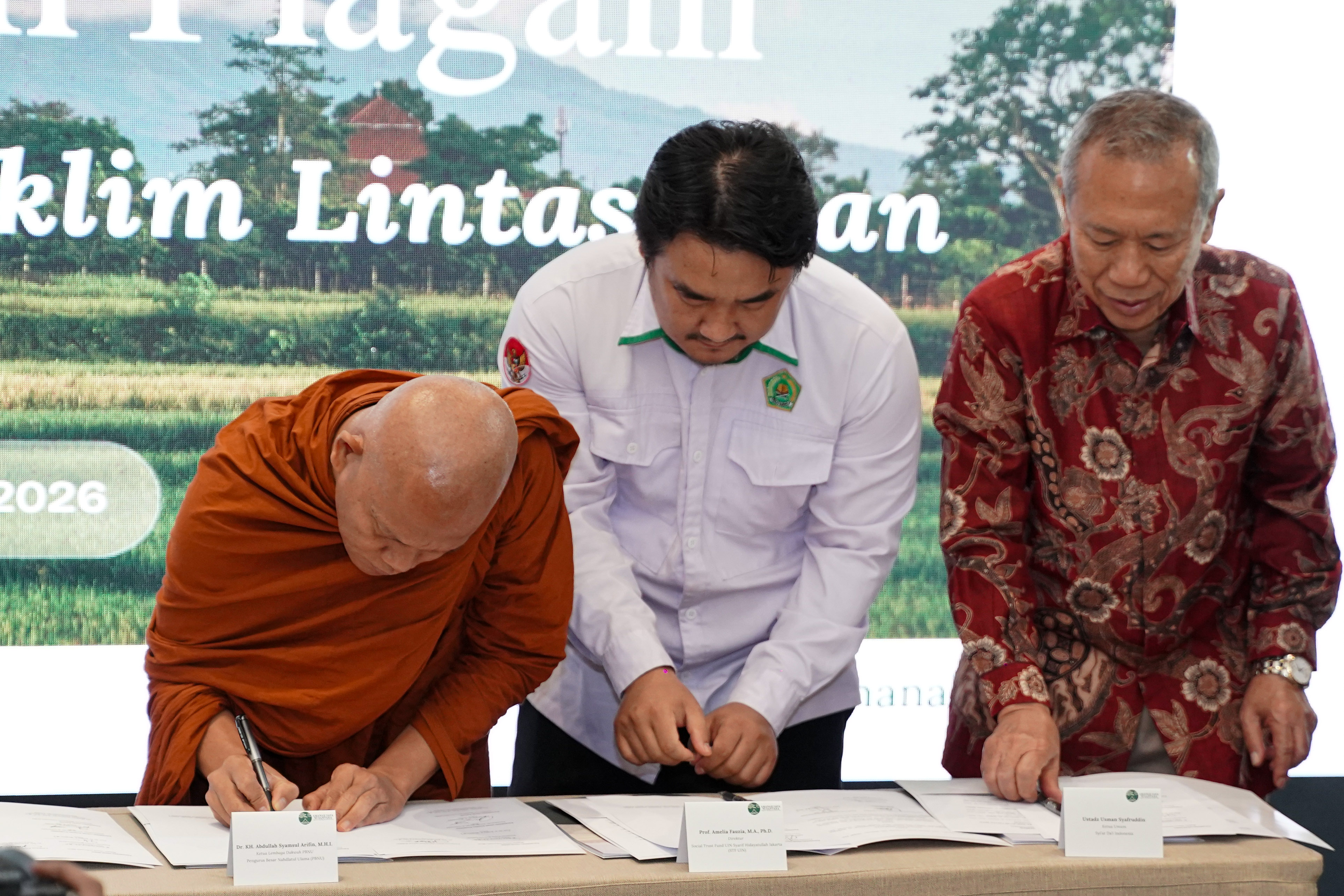
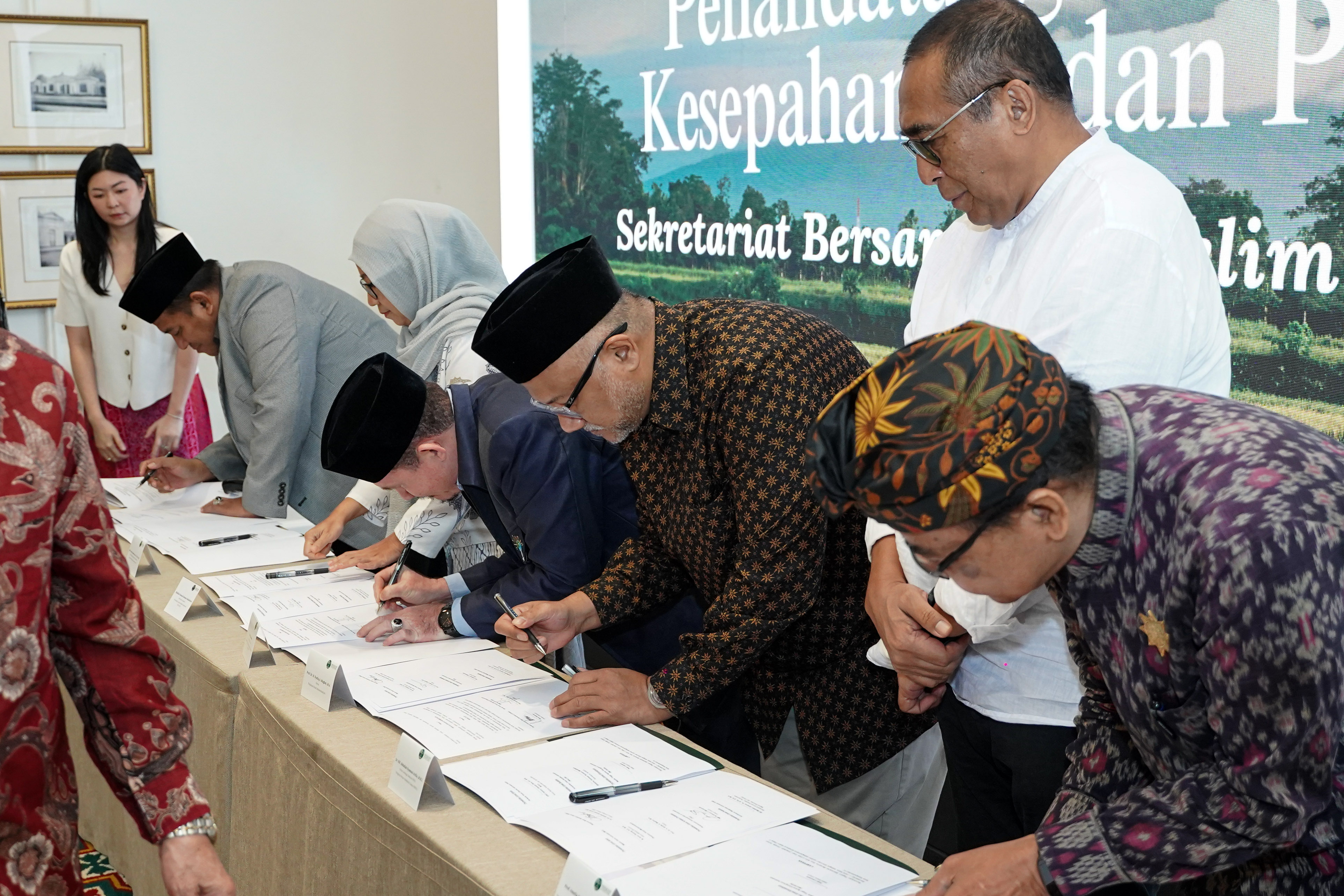
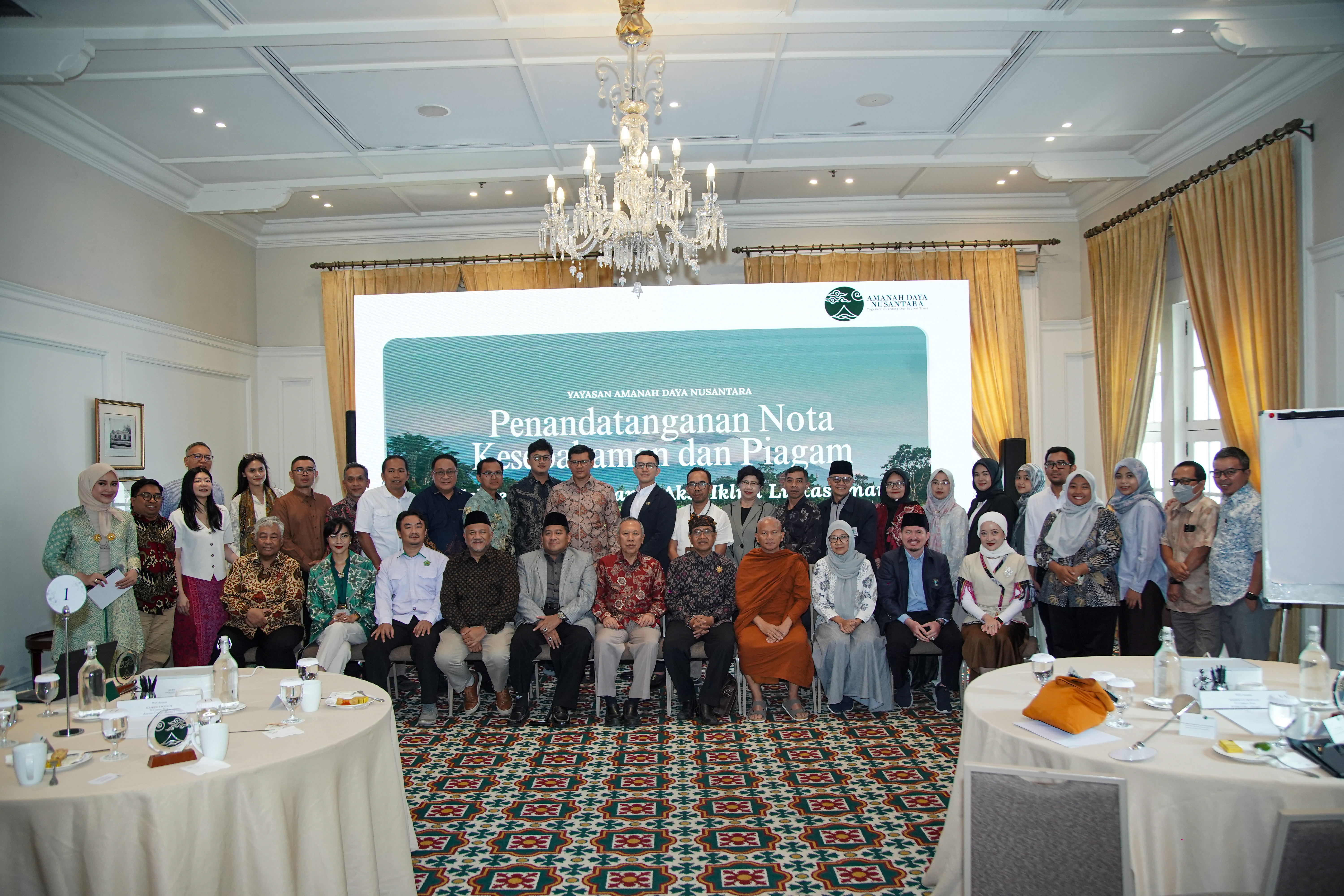
On 27 July 2026, representatives of Indonesia’s six major faith communities formally established the Joint Secretariat for Interfaith Climate Action Indonesia (Sekretariat Bersama Aksi Iklim Lintas Iman), marking an important milestone in advancing coordinated, faith-based climate action across the country.
The Joint Secretariat brings together Islamic, Protestant Christian, Catholic, Hindu, Buddhist, and Confucian communities around shared values of stewardship, compassion, and responsibility for the Earth. Its establishment was formalized through the signing of a Memorandum of Understanding (MoU) and the Joint Secretariat Charter, following a series of dialogues and consultations that began in March 2026 and engaged more than 200 participants.
The initiative brings together major national religious organizations, including Majelis Ulama Indonesia (MUI), Nahdlatul Ulama (NU), Muhammadiyah, Persekutuan Gereja-gereja di Indonesia (PGI), Konferensi Waligereja Indonesia (KWI), Parisada Hindu Dharma Indonesia (PHDI), Perwakilan Umat Buddha Indonesia (WALUBI), and Majelis Tinggi Agama Khonghucu Indonesia (MATAKIN). Yayasan Amanah Daya Nusantara (AYANA) serves as co-initiator, with Social Trust Fund UIN Syarif Hidayatullah Jakarta (STF UIN) and Syiar Da’i Indonesia (SDI) contributing as knowledge partners.

Bringing Climate Action Closer to Communities
AYANA Executive Director Rizal Algamar emphasized the importance of communicating climate change in ways that connect with people’s everyday lives. Across Indonesia, communities are already experiencing its impacts through floods, shifting seasons, declining agricultural yields, rising living costs, and growing uncertainty around household incomes.
The challenge, therefore, is not simply to provide more information about climate change, but to ensure that climate action is understood, trusted, embraced, and ultimately led by communities themselves.
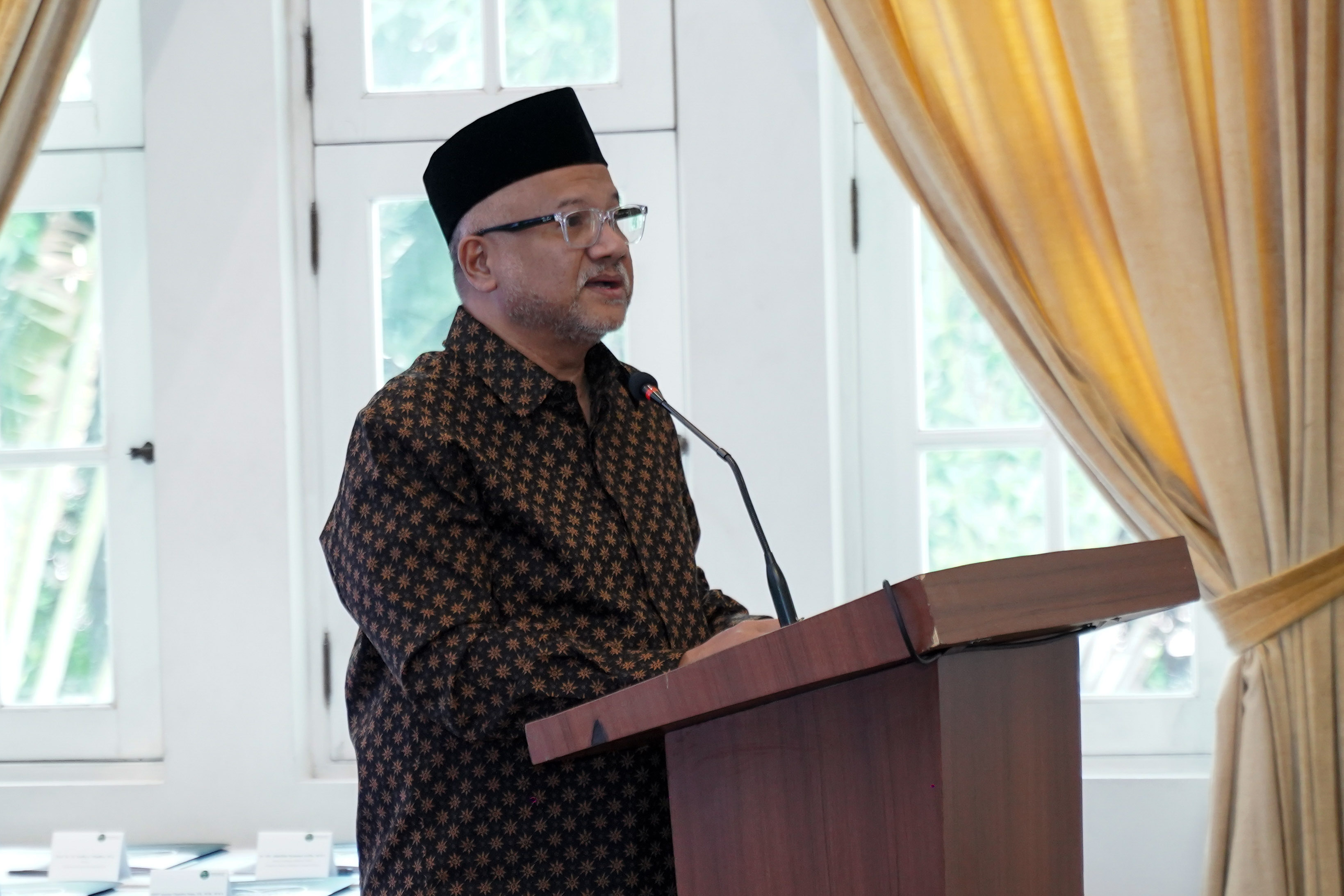
The Joint Secretariat seeks to help bridge this gap by making climate action more accessible and community-driven, while recognizing that environmental stewardship is deeply rooted in Indonesia’s diverse religious traditions. Rather than replacing the roles or mandates of existing religious organizations, the Secretariat is designed as a shared platform for exchanging knowledge and good practices, building partnerships, strengthening advocacy and public engagement, and advancing collective climate action grounded in faith values.
Representatives of the participating faith communities also shared their perspectives on the importance of interfaith climate action. Across traditions, they emphasized that religious teachings provide strong theological and moral foundations for humanity’s responsibility to care for the Earth.
These perspectives are expressed through concepts such as Oikoumene in the Christian tradition; teachings on the harmonious relationship between humans, nature, and God in Buddhism; Tri Hita Karana in Hinduism; principles of harmony in Confucian teachings; and the Islamic values of khalifah (stewardship), maslahah (the common good), and balance (at-tawazun).
Together, these perspectives reveal a strong common ground across Indonesia’s faith traditions—one that can provide a shared foundation for an inclusive, collaborative, and community-centered climate movement focused on the well-being of people and the planet.
Defining the Way Forward
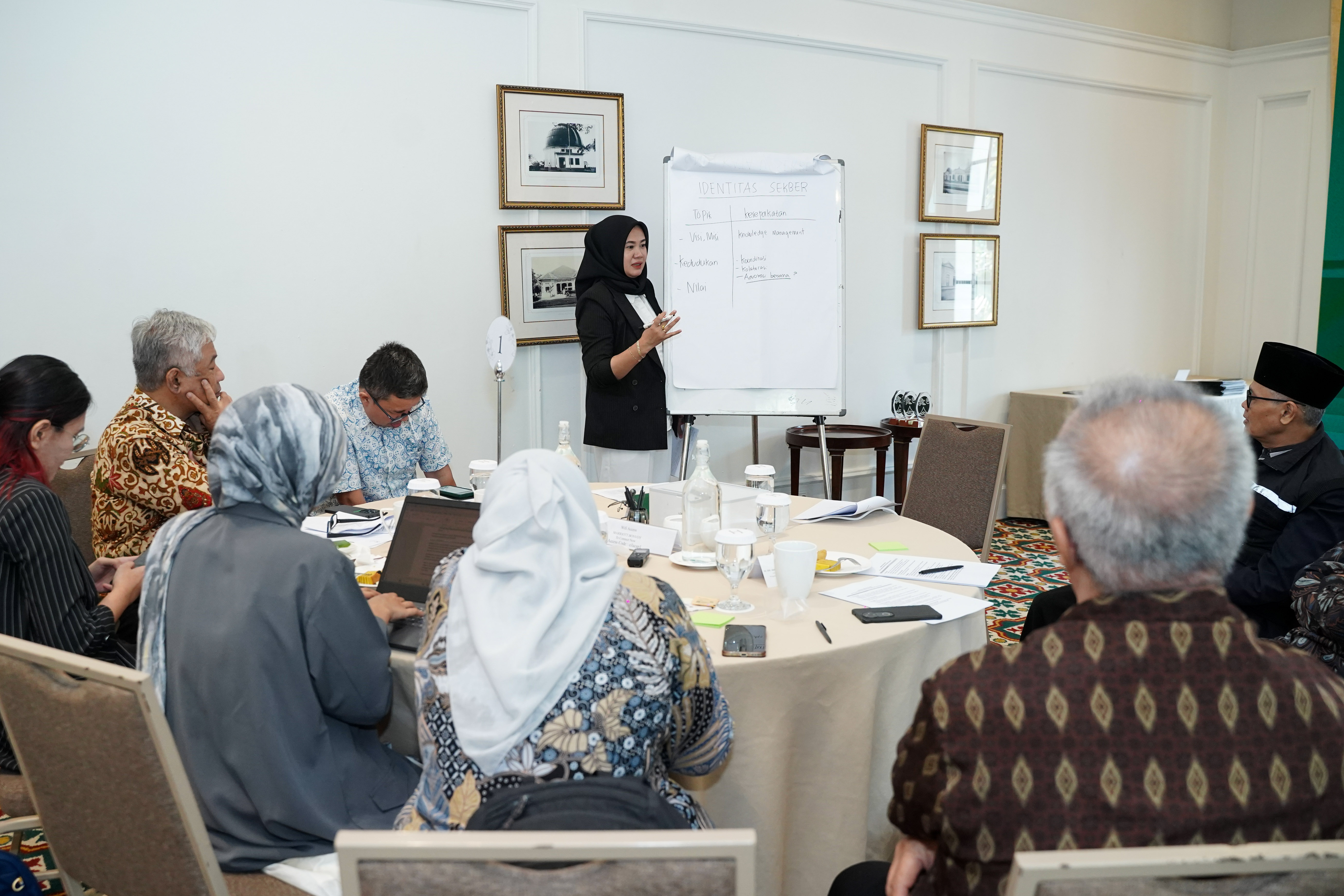
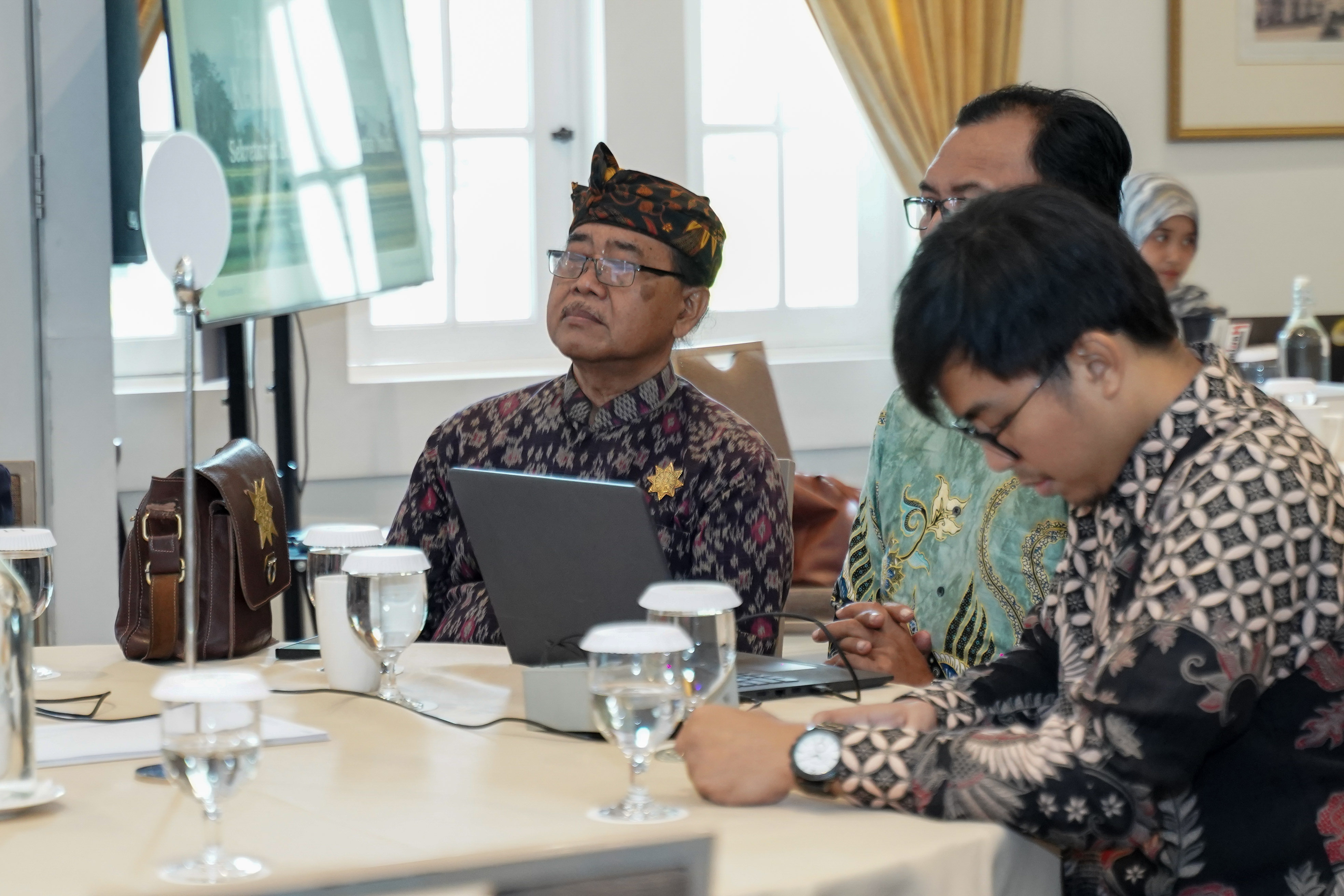
As part of the workshop, participants were divided into three discussion groups to explore key strategic aspects of establishing and developing the Joint Secretariat.
The first group focused on governance, discussing the Secretariat’s identity, organizational structure, governance arrangements, leadership mechanisms, and membership system. These discussions were intended to establish an institutional framework that enables the Secretariat to operate effectively while maintaining the independence and roles of its member organizations.
The second group focused on the Joint Action Plan and priority programs, including the identification of priority locations and responsible organizations. Discussions covered the direction of priority programs, the development of environmental action guidelines, the establishment of environmentally friendly houses of worship, and strategies for implementing programs progressively across different communities and regions.
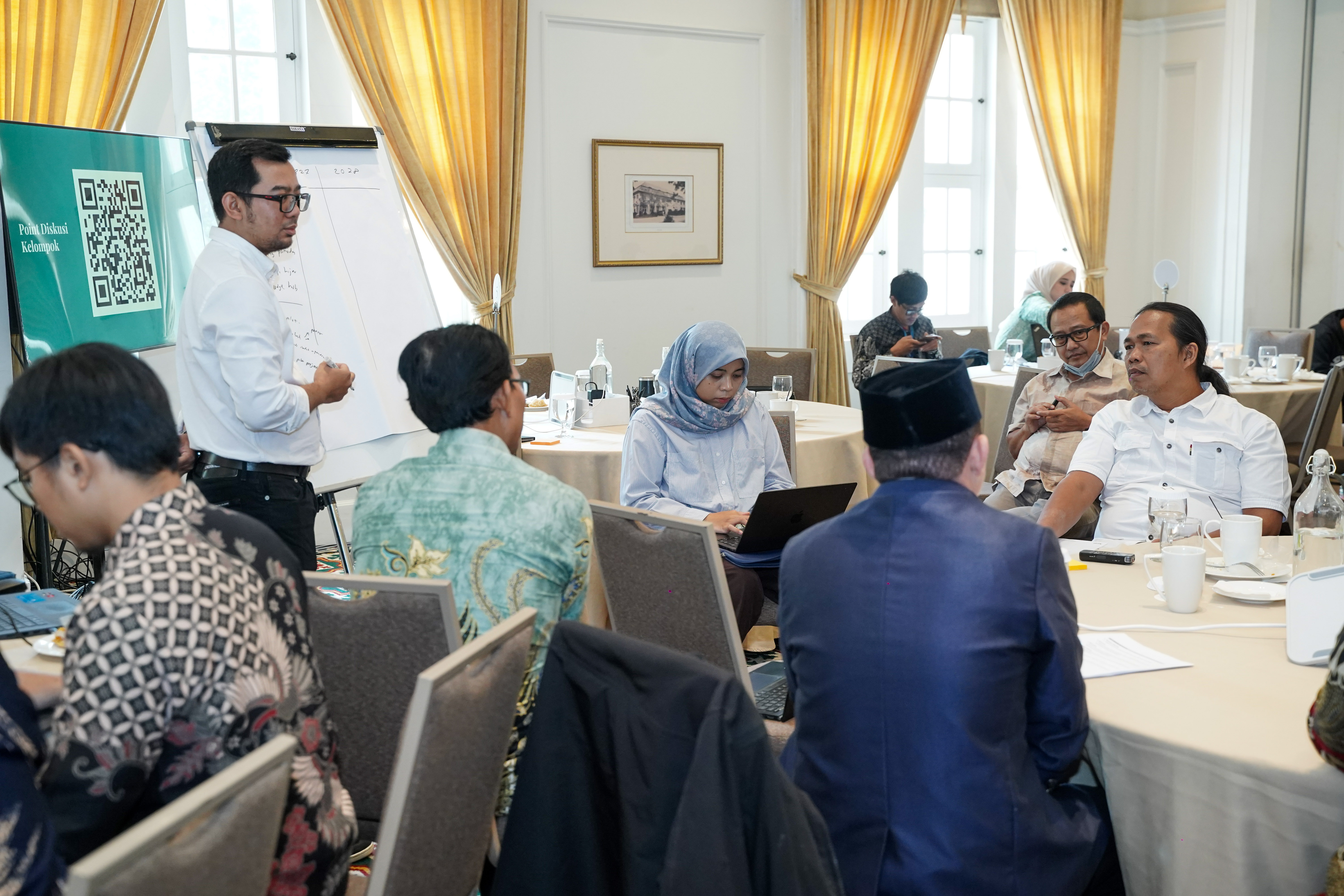
The third group focused on organizational sustainability, including funding models, financial governance, strategic partnership development, public communication strategies, and the identification of potential risks that may affect the Secretariat’s long-term development.
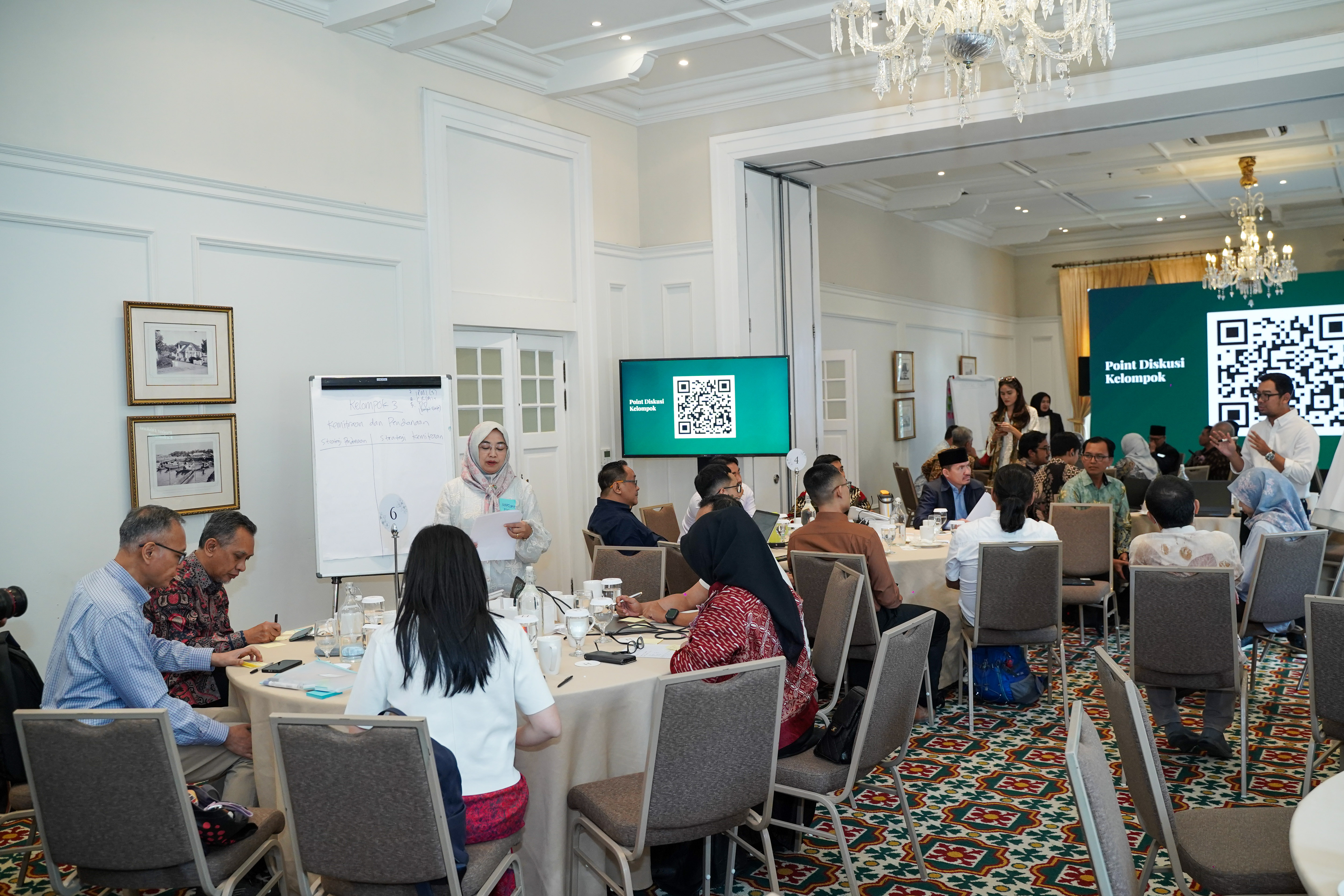
Throughout the workshop, discussions were conducted through a participatory and consensus-based process, ensuring that participants had opportunities to contribute their perspectives to both the Joint Secretariat Charter and the broader direction of the initiative.
Building a Platform for Coordination, Learning, and Advocacy
The discussions resulted in a shared understanding that the Joint Secretariat should serve as a coordination and knowledge-sharing hub, connecting religious organizations with government, civil society, academia, the private sector, and other stakeholders.
The Secretariat is expected to document and share good practices from faith communities, develop climate narratives that are relevant to people’s everyday experiences, strengthen public climate literacy, facilitate collaboration, and support advocacy with both policymakers and the wider public.
A key principle emerging from the discussions was the importance of combining top-down and bottom-up approaches.
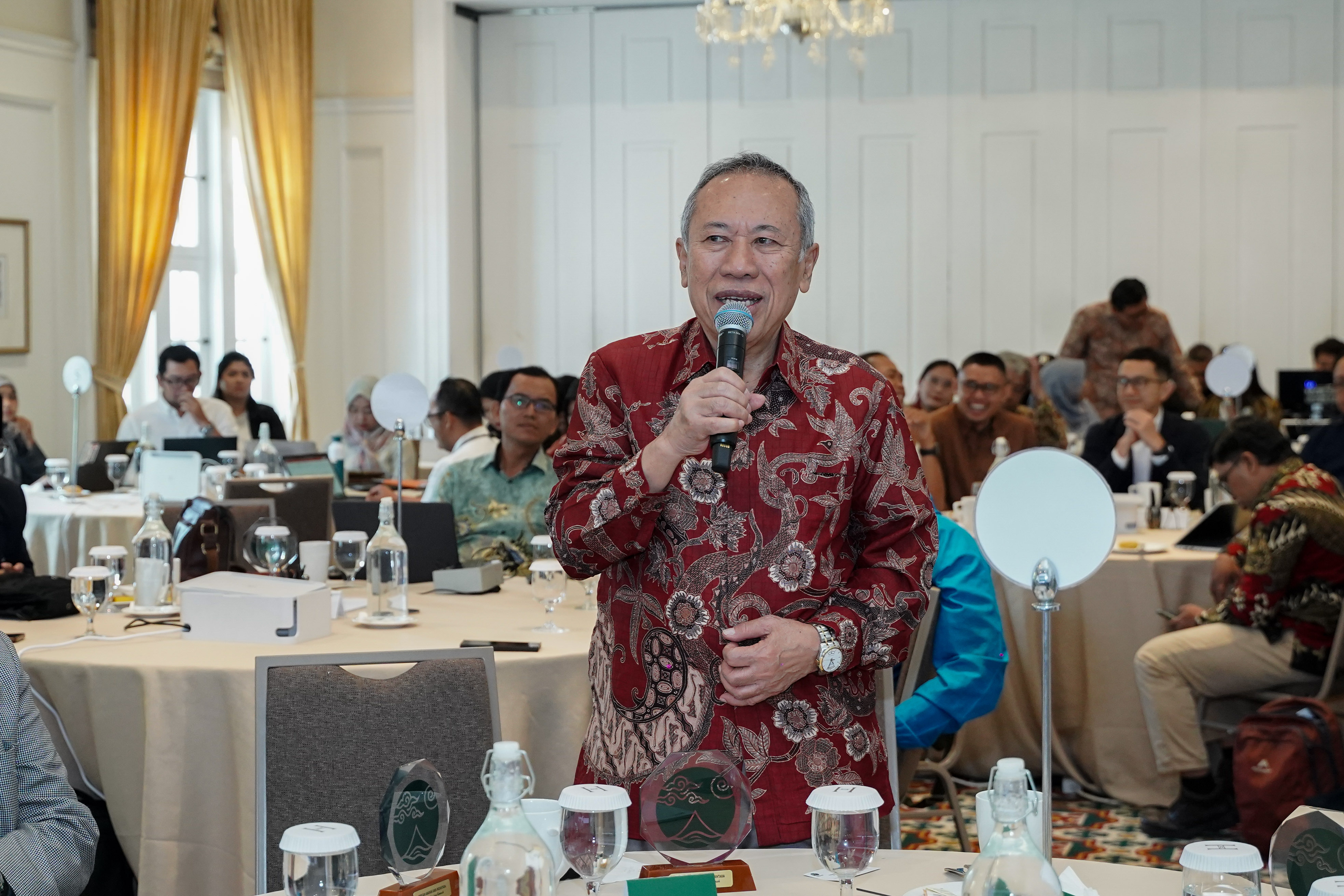
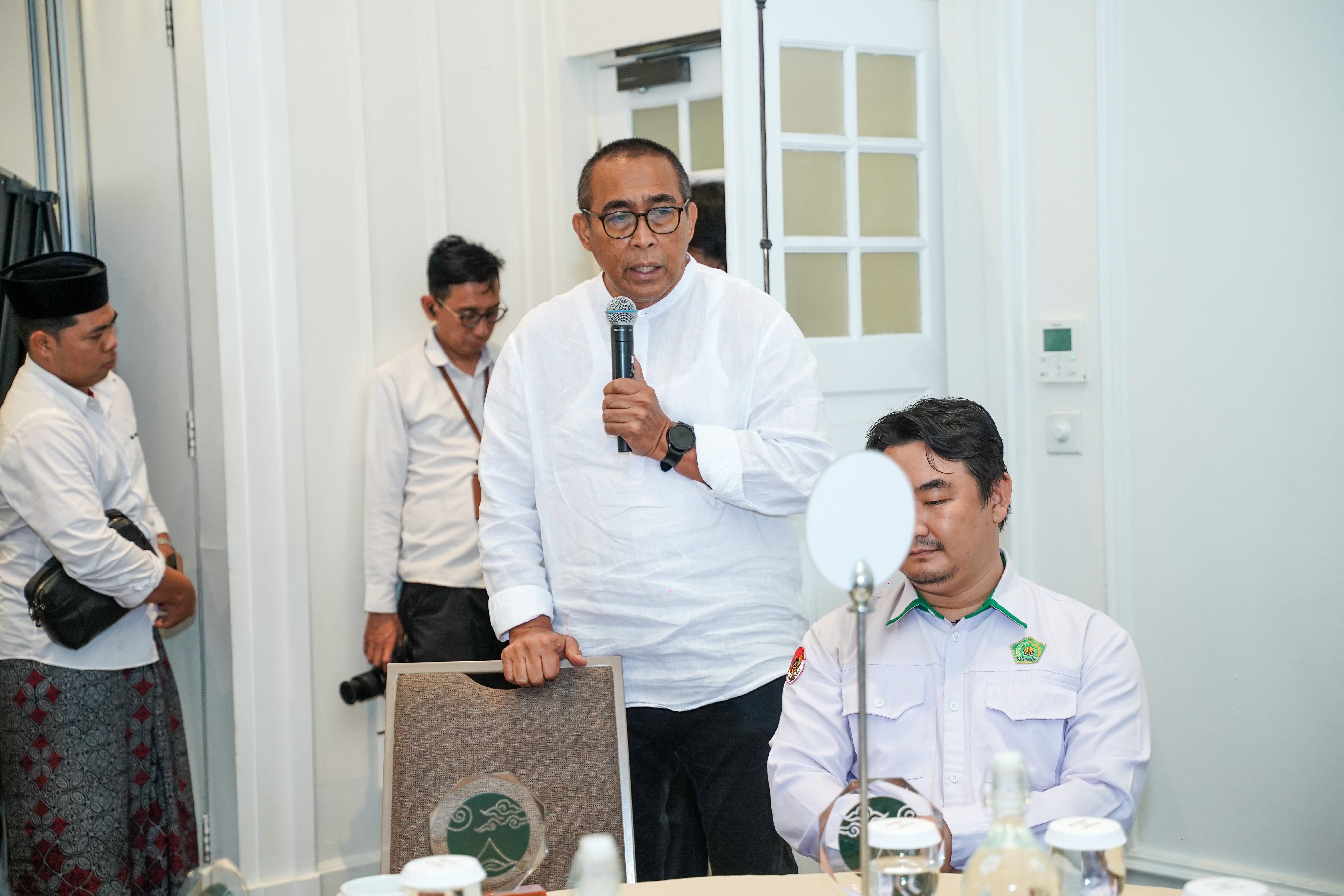
At the policy level, the Joint Secretariat will encourage dialogue with government institutions and decision-makers so that interfaith perspectives and community experiences can contribute to Indonesia’s national development and climate agenda. At the community level, it will strengthen climate literacy, awareness, and practical action within religious communities, helping ensure that local experiences and knowledge can inform more inclusive and context-sensitive policies.
Laying the Foundation for a Sustainable Interfaith Climate Movement
Overall, the workshop established a shared vision for the Joint Secretariat for Interfaith Climate Action Indonesia as a collaborative platform capable of connecting diverse stakeholders and supporting climate action that is inclusive, participatory, and sustainable.
Key outcomes included strengthening interfaith commitment through the signing of the Joint Secretariat Charter, refining the proposed organizational governance structure, identifying priority program directions, developing funding models and strategic partnerships, and establishing follow-up actions to guide the next phase of implementation.
More than an institutional platform, the Joint Secretariat represents a collective commitment to translate shared religious values into meaningful action. By connecting faith, community leadership, knowledge, advocacy, and practical solutions, the initiative aims to strengthen an interfaith climate movement that is rooted in Indonesian communities and capable of contributing to a more resilient and sustainable future.