

AYANA convened the Interfaith Climate Action Consolidation Workshop on 10 June 2026 at Hutan Kota by Plataran, Jakarta. The event marked the culmination of a series of Focus Group Discussions (FGDs) held between March and May 2026, bringing together representatives from Muslim, Catholic, Protestant Christian, Hindu, Buddhist, and Confucian communities to develop a shared agenda for addressing the climate crisis in Indonesia.
The workshop opened with remarks from Rizal Algamar, Executive Director of AYANA, who emphasized the importance of building a climate movement rooted in local values, cultural traditions, and community experiences. He highlighted the strategic role of faith communities in translating climate issues into language and narratives that resonate with people’s everyday lives, making climate action more accessible and meaningful at the grassroots level.
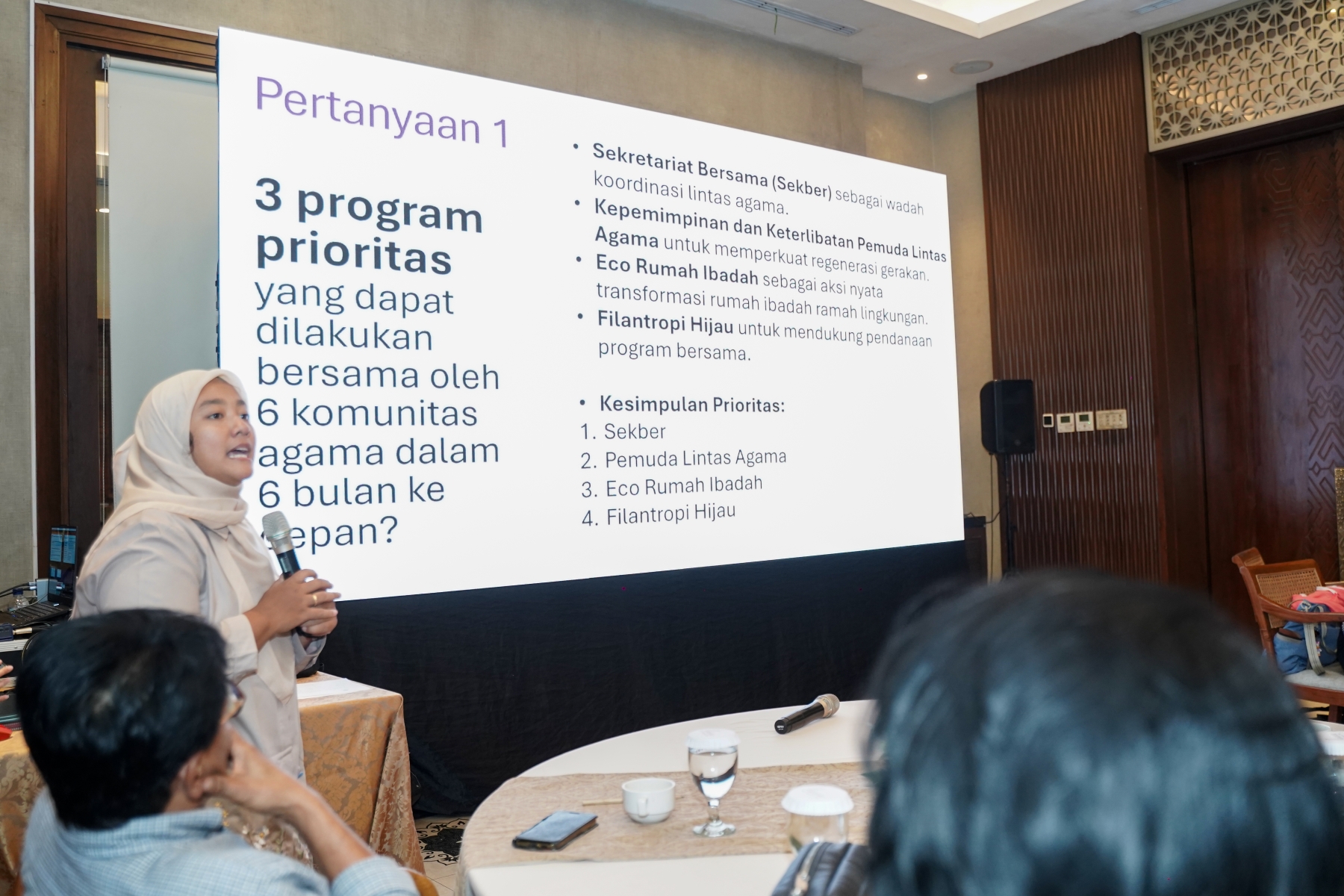
The discussion was followed by a presentation from Prof. Amelia Fauzia of STF UIN Jakarta, who shared key findings from the six FGDs conducted earlier in the year. Her presentation highlighted a wide range of environmental initiatives already being implemented by faith communities across Indonesia, including eco-pesantren programs, environmentally friendly churches, water conservation initiatives, greening of houses of worship, ecotheology education, and community-based waste management projects. While these initiatives demonstrate strong commitment and innovation, many remain fragmented and disconnected from one another, underscoring the need for stronger coordination and collaboration.
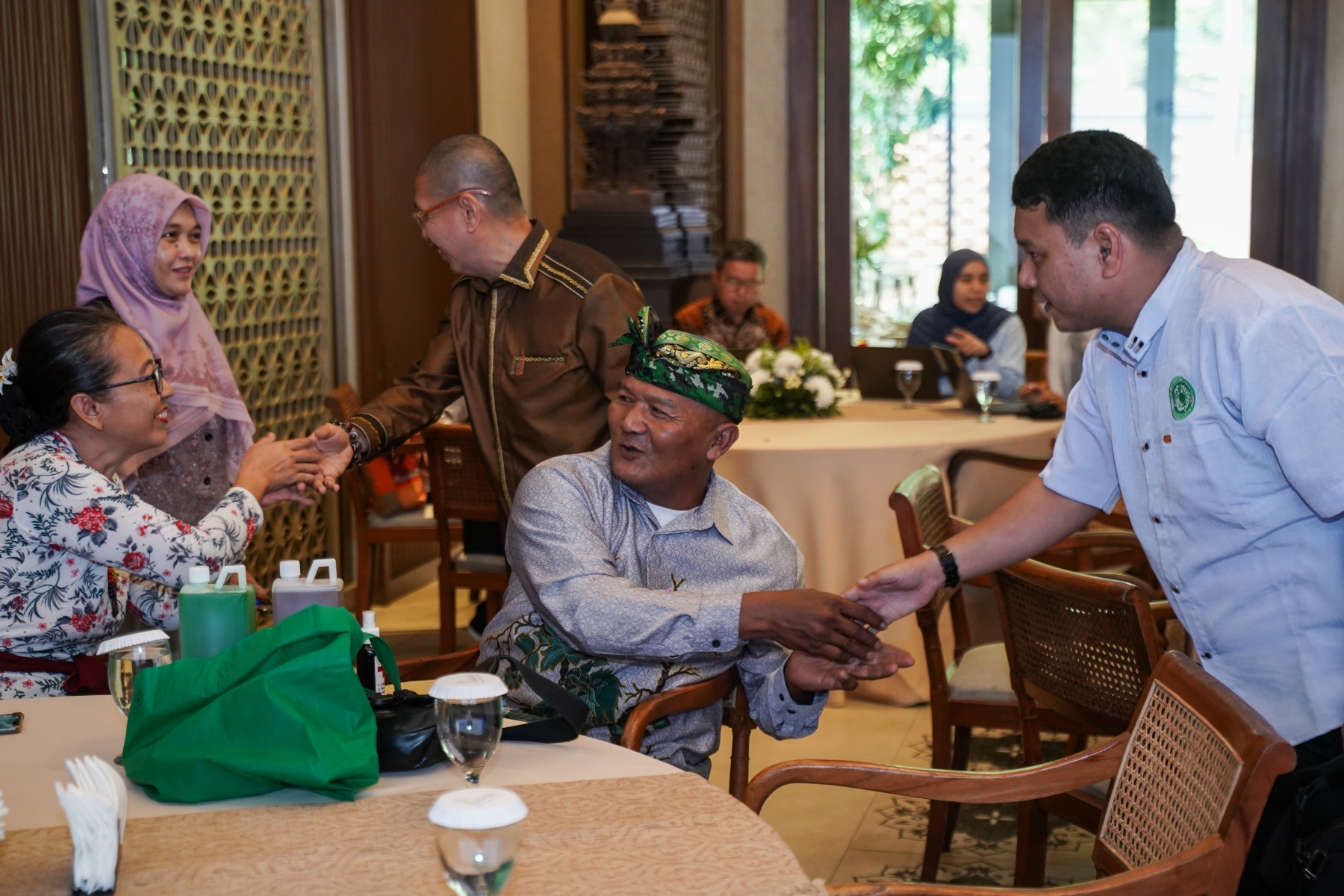
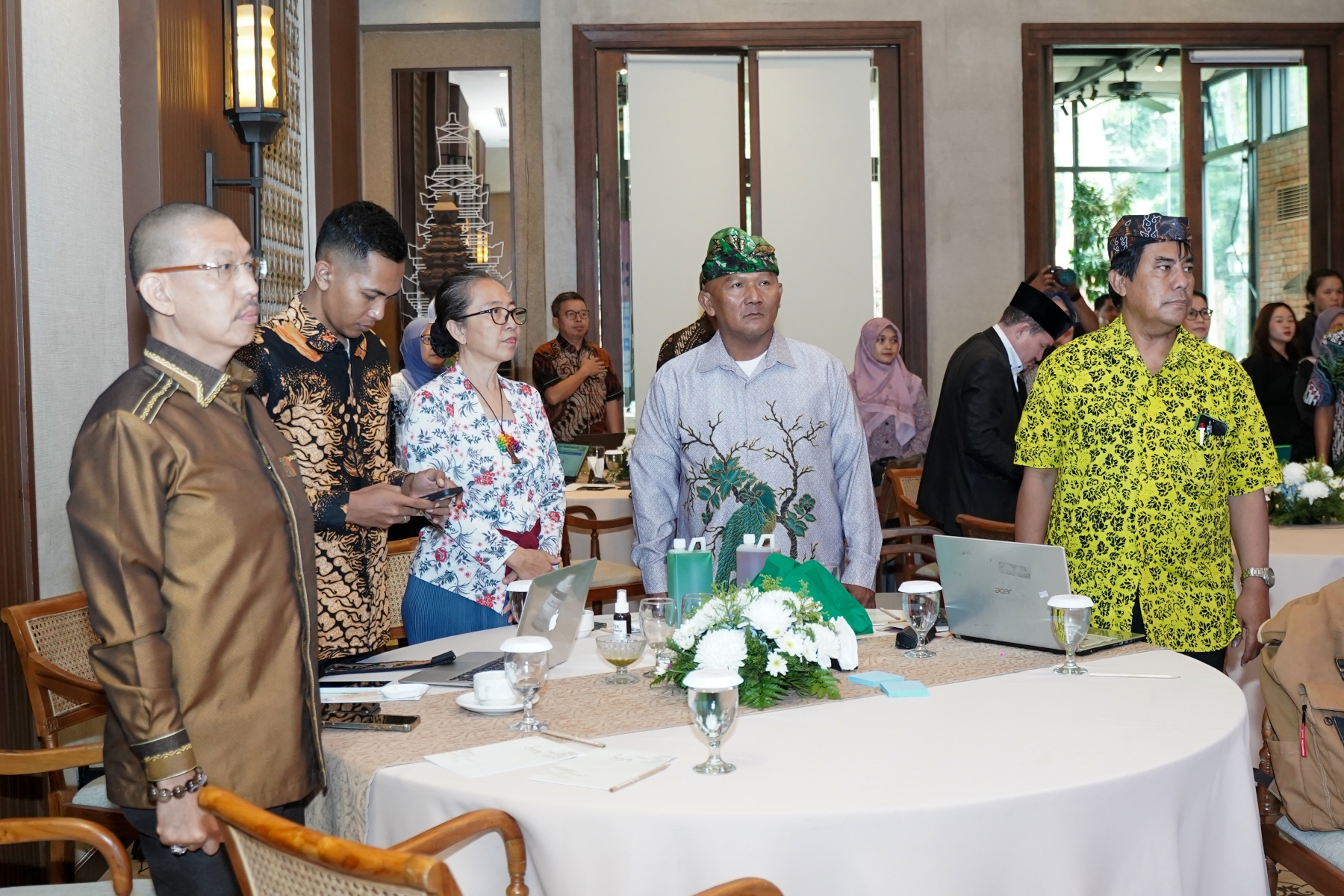
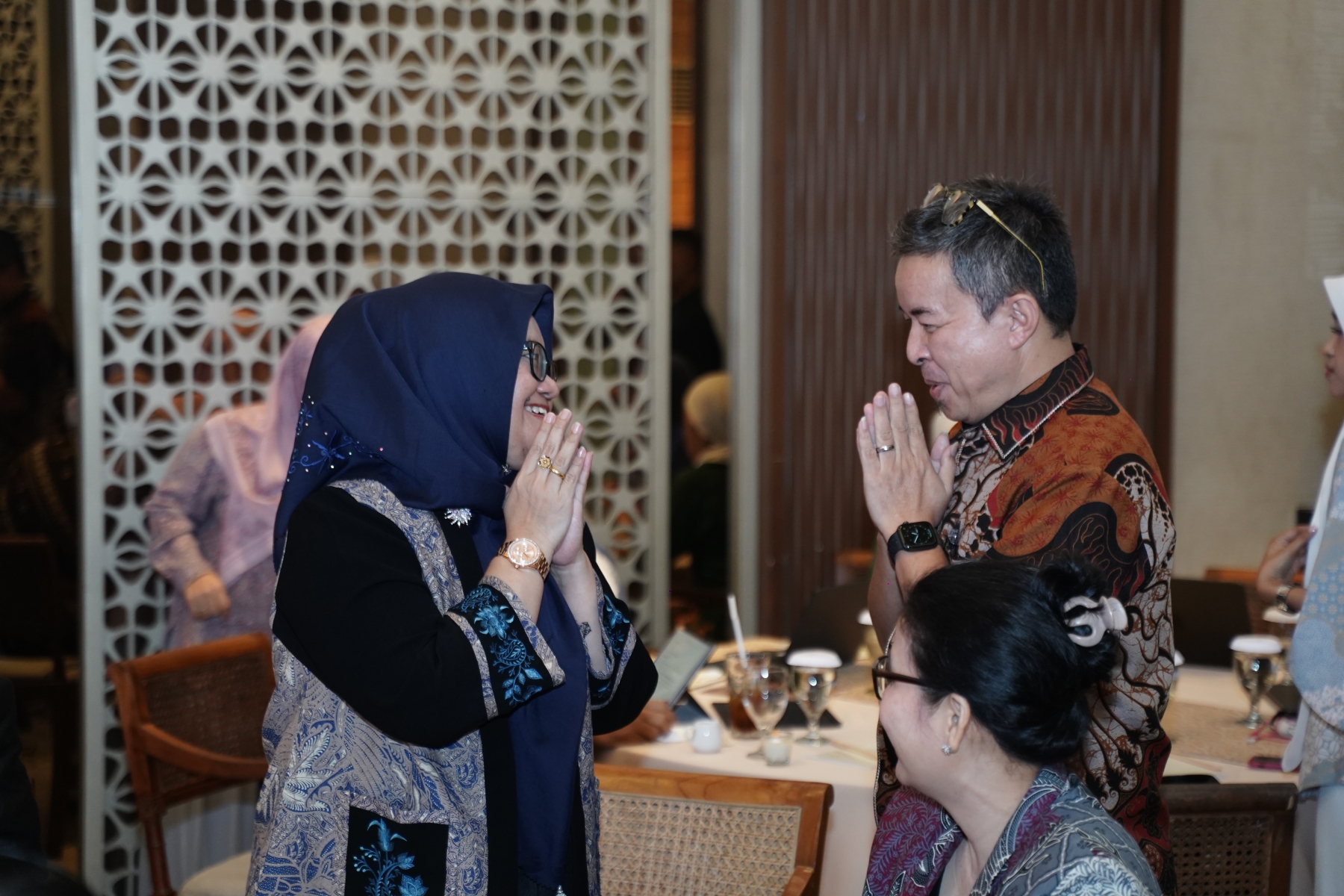
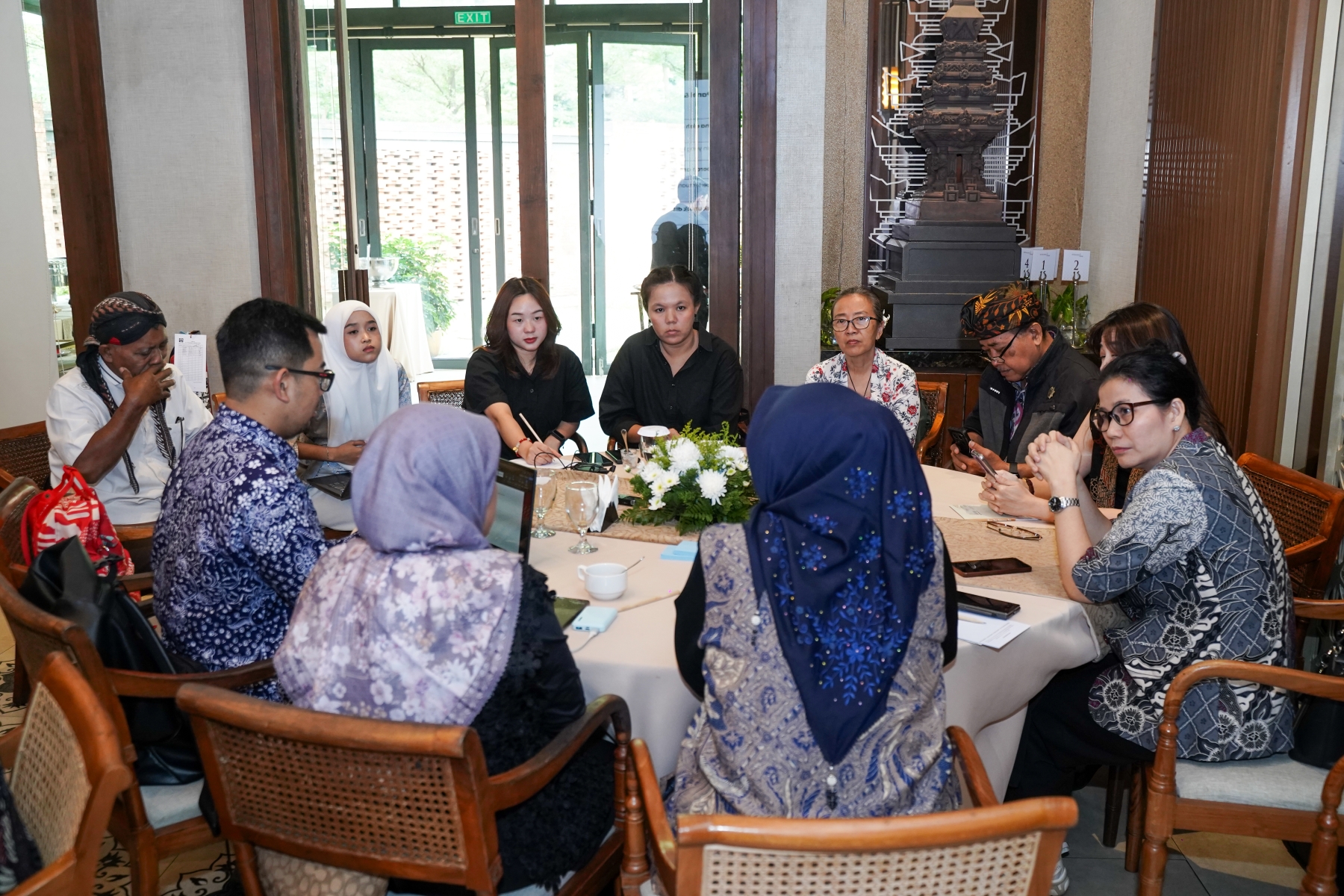
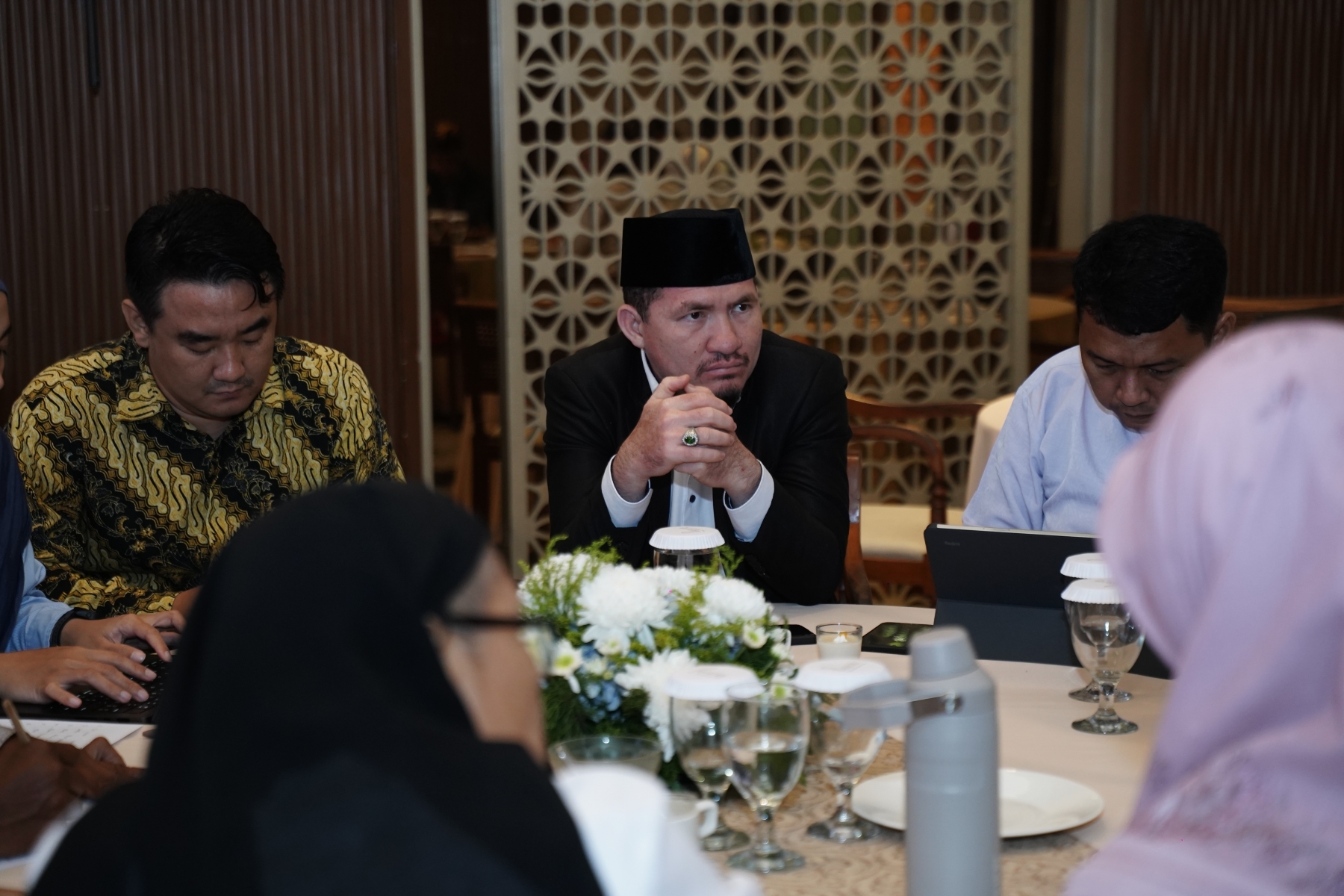
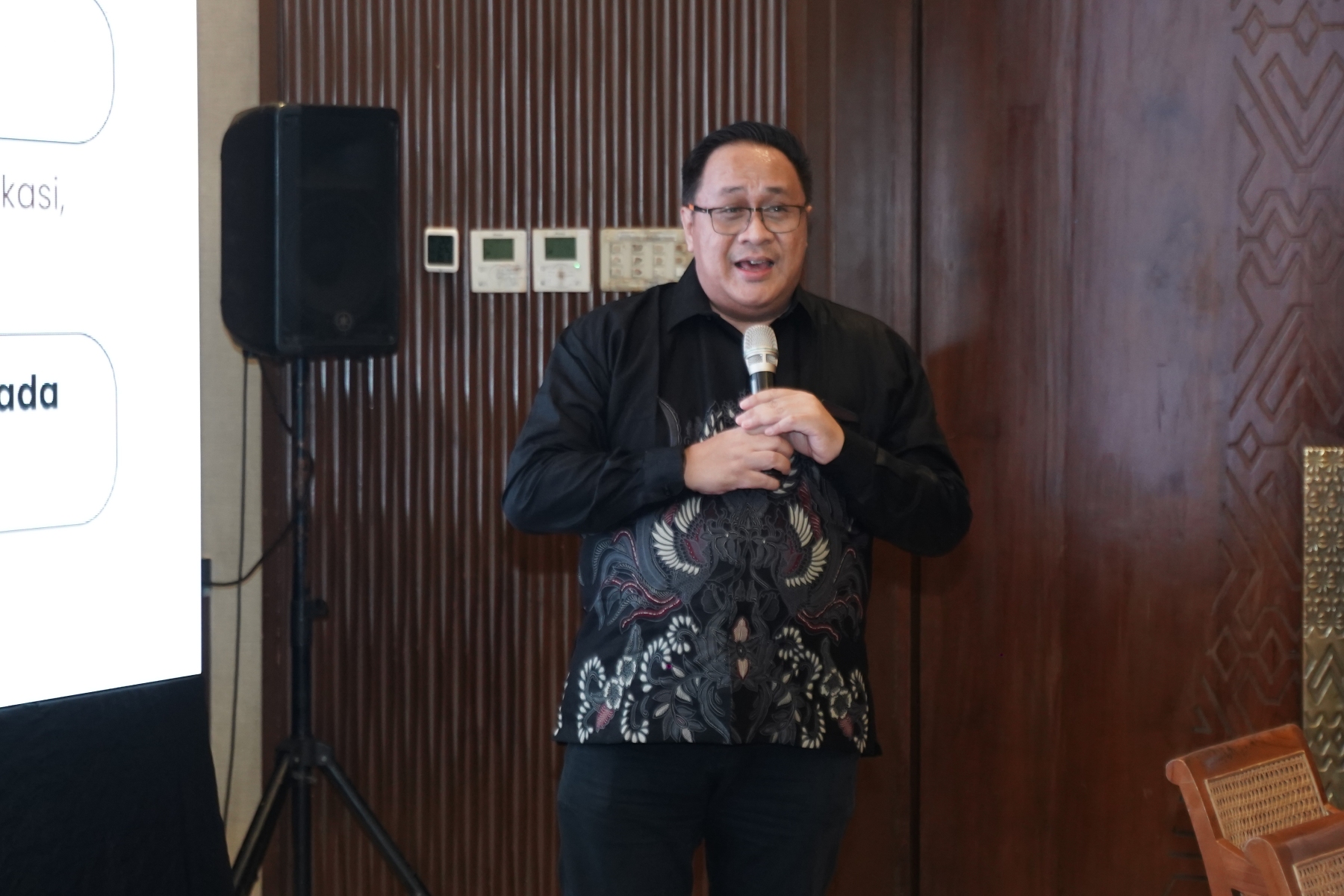
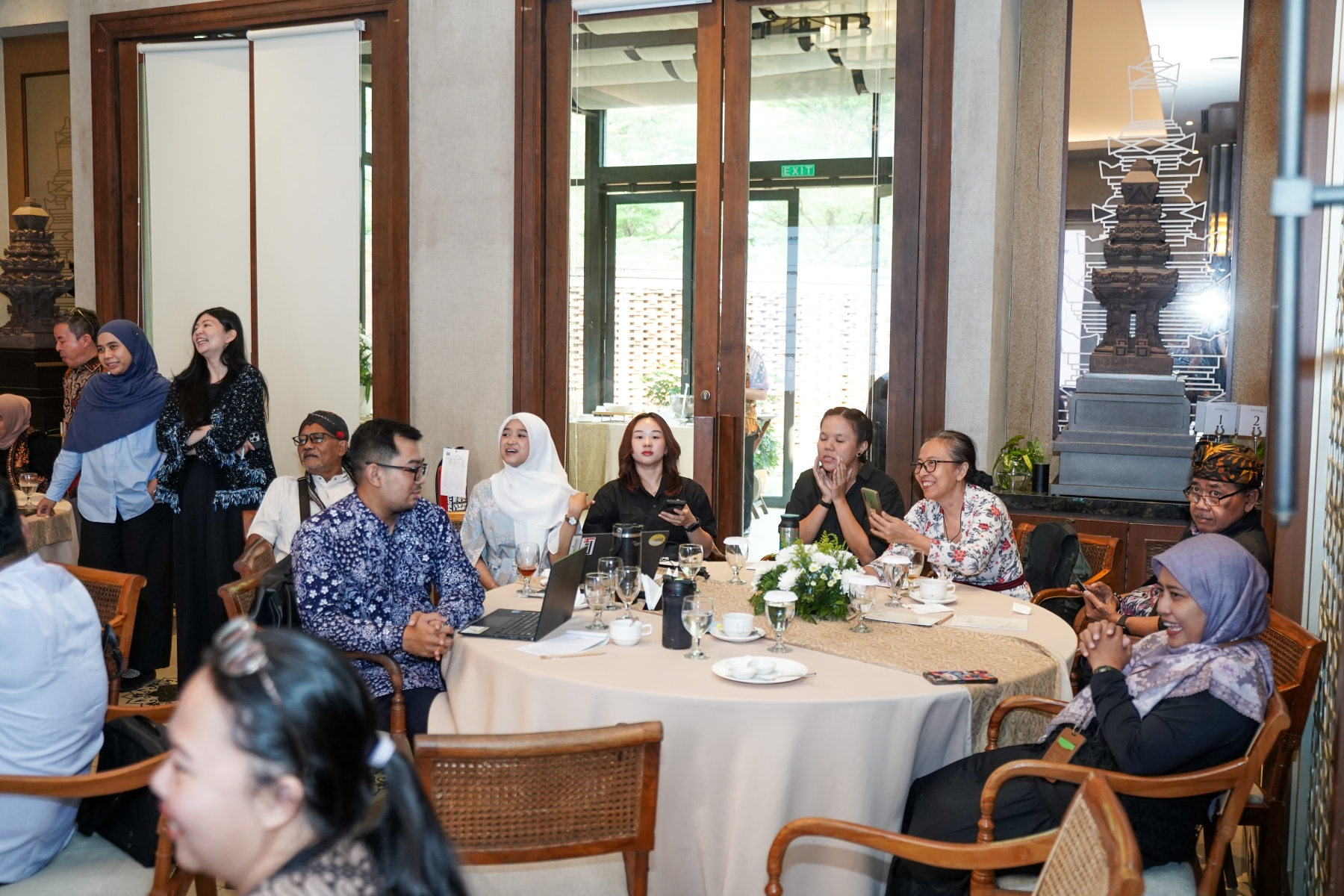
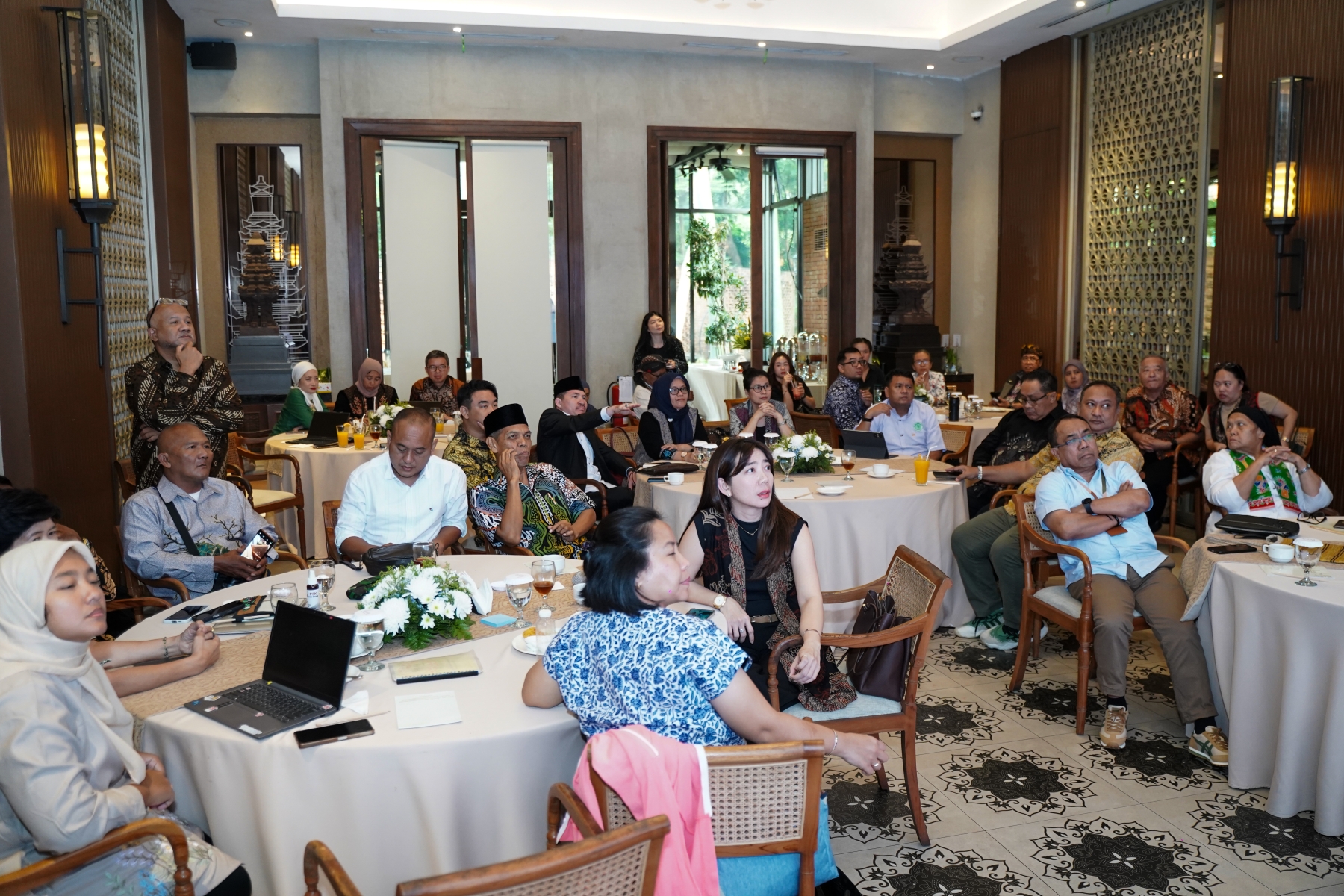
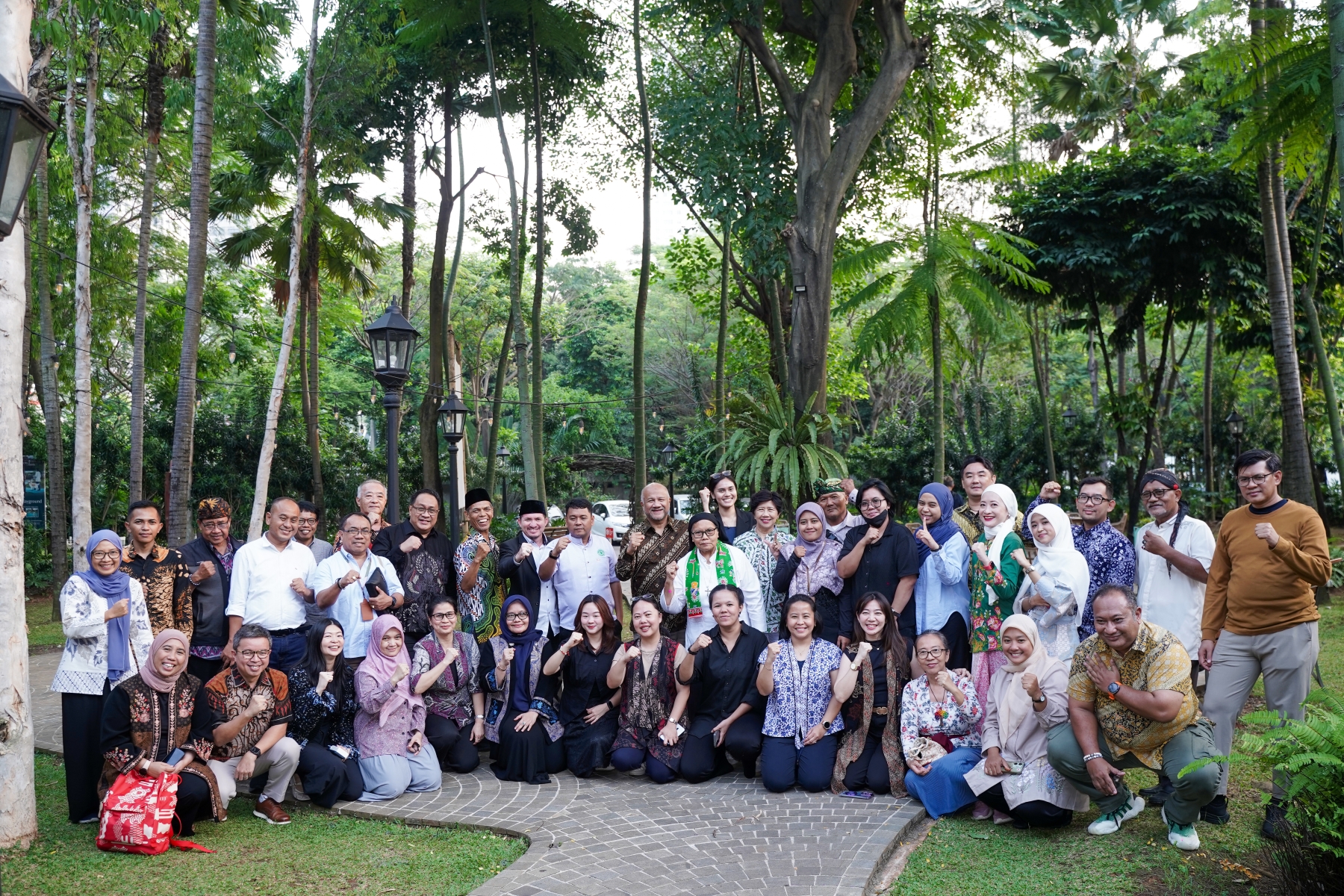
The workshop brought together representatives from the Indonesian Ulema Council (MUI), Muhammadiyah, Communion of Churches in Indonesia (PGI), Indonesian Bishops’ Conference (KWI), Indonesian Buddhist Representatives (WALUBI), Parisada Hindu Dharma Indonesia (PHDI), and the Supreme Council for the Confucian Religion in Indonesia (MATAKIN). Through group discussions and plenary sessions, participants exchanged experiences and explored various approaches that faith communities have adopted in responding to climate change.
One of the most prominent themes discussed was the development of environmentally friendly houses of worship. Participants shared experiences in reducing waste, creating more inclusive facilities, and transforming places of worship into centers for environmental education and community resilience. Representatives from Catholic organizations highlighted initiatives that integrate sustainability into church operations, while participants from other faith traditions emphasized the potential of religious institutions to influence environmental behavior at the household and community levels.
Waste management emerged as another key area of discussion. Participants stressed the importance of cultivating waste-sorting habits from households to places of worship, particularly as urban areas face increasing waste-related challenges. Community-based solutions such as waste banks, organic waste processing, and eco-enzyme production were identified as practical initiatives that could be scaled up through interfaith collaboration.
Participants also underscored the need to strengthen climate literacy and environmental education grounded in religious values. Several speakers noted that environmental issues are often framed as purely technical concerns, despite their profound moral and spiritual dimensions. Religious leaders and institutions, they argued, have a unique role in connecting faith teachings with concrete actions to protect the planet.
The role of young people was another major focus of the workshop. Participants called for leadership development programs, creative campaigns, and digital engagement strategies that can empower youth to become active drivers of climate action. Interfaith youth collaboration was widely recognized as essential for expanding the reach and long-term impact of environmental movements.
Throughout the discussions, participants agreed on the need for a more structured platform to strengthen cooperation among faith-based organizations. While many environmental initiatives are already underway, there was broad consensus that a shared mechanism is needed to facilitate knowledge exchange, coordinate advocacy efforts, consolidate data and impact, and advance collective action on climate and environmental issues.
A major outcome of the workshop was the agreement to establish the Interfaith Climate Forum, a national coordination and collaboration platform that will bring together religious organizations to develop joint programs, advocate for policy change, and strengthen collective responses to environmental and climate challenges. Facilitated by AYANA, the forum is envisioned as an inclusive, equitable, and institution-based space for long-term collaboration.
Participants also agreed on several priority initiatives, including the establishment of a Joint Secretariat for Interfaith Climate Action, the development of a National Green Houses of Worship Movement, the promotion of Interfaith Green Philanthropy, and increased youth engagement in advancing climate justice and environmental sustainability.
The workshop concluded with the reading and signing of a joint declaration, symbolizing a shared commitment to strengthening interfaith cooperation in addressing the climate crisis. The event marked an important step toward building a more coordinated, sustainable, and community-driven climate movement rooted in the collective strengths of Indonesia’s diverse faith traditions.